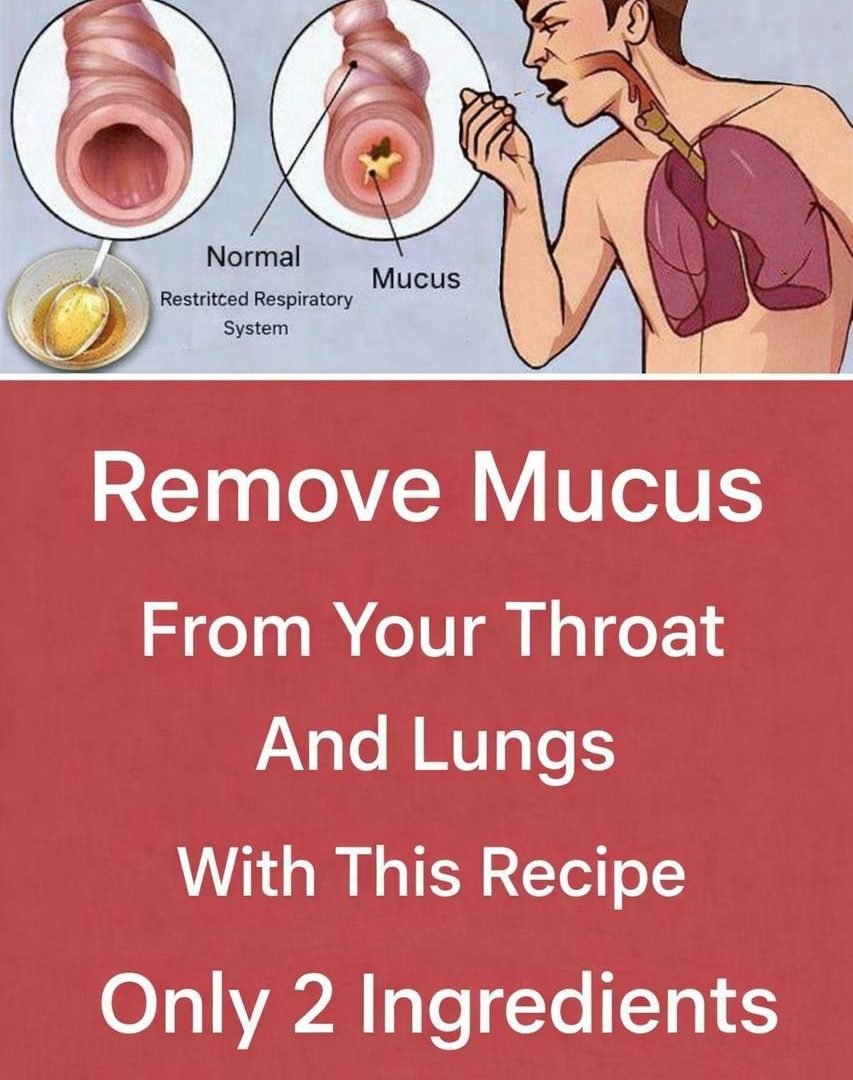
How to Get Rid of Phlegm and Mucus in Your Chest and Throat: 12 Natural Ways to Find Relief
One of the simplest measures is maintaining adequate hydration.
When you are dehydrated, secretions can become more concentrated, and your mouth and throat may feel dry or irritated. Drinking fluids helps maintain normal hydration and may make mucus easier to manage.
Water is generally an excellent choice. Warm water may feel especially soothing if your throat is irritated.
You do not need to force yourself to drink excessive quantities. Your fluid needs depend on your age, activity level, climate, and health conditions.
Practical ways to stay hydrated
Keep water available throughout the day.
Drink regularly, especially when you have a fever or are losing fluids.
Try warm water if cold drinks make your throat uncomfortable.
Include soups and other fluids if they are easier to tolerate.
Limit excessive alcohol, which can contribute to dehydration.
People with heart failure, advanced kidney disease, or another condition requiring fluid restriction should follow their healthcare professional’s advice rather than increasing fluid intake without guidance.
Hydration can support normal mucus clearance, but it does not cure the infection or condition causing excess mucus.
3. Try Warm Drinks to Soothe an Irritated Throat
Warm drinks can provide temporary comfort when mucus and coughing leave your throat feeling scratchy.
Warm water, mild herbal tea, and broth may help soothe irritated tissues and make swallowing more comfortable.
The warmth can feel relaxing, particularly before bedtime, although there is limited evidence that a specific hot drink removes mucus from the lungs.
Avoid liquids that are hot enough to burn your mouth or throat.
Honey in warm water or tea
Honey may help relieve acute cough symptoms, particularly in children older than one year and in adults with a cough associated with an upper respiratory infection.
You can stir a small amount into warm water or tea.
Honey may soothe the throat and reduce coughing for some people, but it does not treat every cause of phlegm or eliminate a respiratory infection.
Remember that honey contains sugar, so people managing diabetes should account for it in their diet.
Never give honey to a child younger than 12 months because of the risk of infant botulism.
If coughing persists, worsens, or is accompanied by breathing difficulties, do not rely on warm drinks alone.
4. Use a Clean Humidifier if the Air Is Dry
Dry indoor air can irritate the nose and throat, particularly during colder weather or when heating systems are running.
A clean humidifier may improve comfort by adding moisture to the air. Some people find that this makes dry secretions feel less irritating.
However, humidifiers do not reliably remove mucus from the lungs, and excessive humidity can encourage mold and dust mites.
How to use a humidifier safely
Follow the manufacturer’s instructions.
Clean the device regularly.
Use the recommended type of water.
Empty and dry the reservoir as directed.
Avoid allowing condensation to build up on walls or windows.
Keep indoor humidity at a comfortable level, generally around 30% to 50%.
A poorly maintained humidifier can spread microorganisms or minerals into the air, depending on the device and water used.
If your room is already humid, adding more moisture may make the environment less comfortable rather than improve it.
5. Consider Saline Nasal Spray or Rinsing for Postnasal Drip
If you feel mucus collecting at the back of your throat, the problem may originate in your nose or sinuses rather than your chest.
Postnasal drip can occur with colds, allergies, sinus irritation, and other nasal conditions.
Saline nasal sprays can help moisturize the nasal passages and loosen mucus. Nasal irrigation may also help some people remove excess mucus and allergens.
These methods are particularly relevant when symptoms include a blocked nose, sneezing, nasal discharge, or frequent throat clearing.
How to use saline products
A commercially prepared saline spray is a simple option.
If you use a nasal irrigation device, use only distilled or sterile water, or water that has been boiled and then cooled according to appropriate safety guidance. Do not use untreated tap water for nasal irrigation.
Clean the device as instructed and allow it to dry between uses.
Nasal saline may relieve nasal symptoms, but it is not a direct treatment for mucus produced deep in the lungs.
If you have severe facial pain, persistent fever, or symptoms that worsen after initially improving, seek medical advice.
6. Try Gentle Breathing and Controlled Coughing
When phlegm is present in the lower airways, coughing helps move secretions toward the throat so they can be expelled.
Repeated forceful coughing, however, can irritate the throat and leave you exhausted.
Some people find gentle breathing techniques more comfortable than repeated hard coughing.
A simple controlled-coughing approach
If you are breathing comfortably and have no medical restriction against these techniques:
Sit upright with your shoulders relaxed.
Take a few gentle, normal breaths.
Take a slightly deeper breath without straining.
Exhale slowly.
If mucus feels ready to move, try a gentle cough.
Rest between attempts rather than coughing continuously.
A technique called huff coughing is sometimes used in respiratory physiotherapy. It involves breathing out forcefully through an open mouth, as though trying to fog a mirror, to help move secretions.
However, specialized airway-clearance techniques are not necessary for everyone with a cold. People with chronic lung diseases may benefit from guidance from a respiratory physiotherapist or healthcare professional.
Stop if the technique causes significant breathlessness, dizziness, chest pain, or distress.
7. Take a Warm Shower for Temporary Comfort
A warm shower may help you feel more comfortable when you have nasal congestion or an irritated throat.
The warm, moist environment can temporarily ease the sensation of dryness and may help loosen secretions in the nose.
However, evidence that shower steam directly clears mucus from the lungs is limited.
Avoid bowls of boiling water
A common home remedy involves placing the face over a bowl of hot water and covering the head with a towel.
This practice can cause serious scalds if the bowl tips or the hot water spills. It is particularly dangerous for children.
A comfortably warm shower is a safer alternative for many people.
Avoid excessive heat if you feel weak, dizzy, or short of breath. People with certain heart or respiratory conditions should follow their clinician’s advice about heat exposure.
8. Avoid Smoke and Other Airway Irritants
One of the most useful steps you can take is reducing exposure to substances that irritate the respiratory tract.
Tobacco smoke can damage airway tissues, interfere with the normal mechanisms that clear mucus, and worsen coughing.
Other potential irritants include vaping aerosols, heavy air pollution, strong cleaning fumes, and certain workplace chemicals.
If you have asthma or allergies, airborne irritants may aggravate symptoms and increase the sensation of chest congestion.
Practical ways to reduce exposure
Avoid smoking and secondhand smoke.
Keep indoor spaces ventilated when it is safe to do so.
Follow safety instructions when using cleaning products.
Avoid mixing household chemicals.
Use appropriate protective equipment in dusty work environments.
Reduce exposure to known allergens when possible.
If you smoke and have a persistent cough or increasing amounts of phlegm, consider speaking with a healthcare professional about quitting and evaluating your respiratory health.
Long-lasting phlegm in a smoker should not automatically be dismissed as a normal effect of smoking.