How to Get Rid of Phlegm and Mucus in Your Chest and Throat: 12 Natural Ways to Find Relief
Not all mucus is caused by an infection.
Allergic rhinitis can cause nasal congestion, sneezing, itching, watery eyes, and postnasal drip. The mucus that drains into the throat may trigger coughing or repeated throat clearing.
Common triggers include pollen, dust mites, mold, and animal allergens.
If your symptoms repeatedly appear in particular environments or during certain seasons, allergies may be worth considering.
What may help?
Reduce exposure to known allergens.
Keep bedding clean.
Address dampness and mold in the home.
Use saline nasal spray when appropriate.
Discuss suitable allergy medication with a pharmacist or healthcare professional.
Antihistamines may help when allergies are the cause, but they are not appropriate for every type of mucus problem. Some older antihistamines can also cause dryness or drowsiness.
If you are unsure whether symptoms are caused by allergies, a viral infection, asthma, or another condition, seek professional advice rather than repeatedly trying different remedies.
10. Consider Whether Acid Reflux Is Irritating Your Throat
Sometimes, the feeling of mucus in the throat is not caused by excessive mucus production alone.
Acid reflux occurs when stomach contents move back into the esophagus. In some people, reflux can irritate the throat and contribute to coughing, hoarseness, throat clearing, or a sensation of something stuck in the throat.
Not everyone with reflux experiences obvious heartburn.
If symptoms tend to occur after meals, when bending over, or when lying down, reflux may be one possible explanation.
Measures that may help
Avoid lying down immediately after eating.
Consider smaller meals if large meals trigger symptoms.
Identify and limit foods or drinks that consistently worsen your symptoms.
If nighttime reflux is a problem, ask a healthcare professional whether elevating the head of the bed may help.
Seek medical advice if symptoms are persistent.
Do not assume that every sensation of throat mucus is caused by reflux. Nasal conditions, infections, and other problems can produce similar symptoms.
11. Eat a Balanced Diet Rather Than Relying on a Miracle Food
You may see claims that ginger, garlic, lemon, onion, pineapple, or another food can dissolve phlegm and clear the lungs.
Some foods can be soothing or contribute to general nutritional health, but there is little strong evidence that any particular food rapidly removes mucus from the chest.
Ginger and garlic can add flavor to meals, while fruit and vegetables provide vitamins, minerals, and other nutrients.
Pineapple contains an enzyme called bromelain, which has been investigated for several possible uses. However, evidence is insufficient to recommend eating pineapple as a proven treatment for chest congestion.
You can enjoy these foods as part of your normal diet, but avoid relying on them instead of appropriate medical care.
A balanced diet, sufficient fluids, and adequate rest are more sensible foundations than searching for a single ingredient that supposedly clears the lungs.
12. Get Enough Rest While Your Body Recovers
Respiratory infections can leave you tired, particularly when coughing interrupts sleep.
Rest can help you manage the illness while your body recovers. It will not directly dissolve mucus, but it can reduce strain and make symptoms easier to tolerate.
Try to maintain a comfortable sleeping environment and keep water nearby if your throat becomes dry.
If lying flat makes nasal drainage or coughing more uncomfortable, you may find it helpful to raise your upper body slightly with suitable pillows.
However, persistent nighttime coughing can have several causes, including asthma, reflux, and heart or lung conditions. If it continues or repeatedly interrupts sleep, arrange a medical evaluation.
Seek urgent care if you develop severe breathlessness, chest pain, confusion, or blue or gray lips.
What Color Is Your Mucus Telling You?
Mucus color can change during an illness, but it cannot reliably identify the cause on its own.
Clear mucus
Clear mucus is common with normal nasal secretions, allergies, and many viral infections.
It does not guarantee that you are healthy, nor does it exclude an infection.
White or cloudy mucus
Mucus may appear white or cloudy when it becomes thicker or when inflammation changes its composition.
This can occur with several respiratory conditions.
Yellow or green mucus
Yellow or green mucus can develop when immune cells and other substances accumulate in secretions.
This color does not automatically mean that the infection is bacterial. Many viral respiratory infections can also produce colored mucus.
Antibiotics are not indicated solely because mucus is yellow or green.
Blood-streaked mucus
Small streaks of blood can sometimes occur after forceful coughing or irritation, but blood in phlegm should not automatically be dismissed.
Seek medical advice, particularly if it recurs or you have other symptoms.
Coughing up more than a small amount of blood, or blood accompanied by chest pain or difficulty breathing, requires urgent medical assessment.
When Should You See a Doctor About Phlegm?
Many cases of mucus associated with a common cold improve as the underlying illness resolves. However, some symptoms require evaluation.
Seek urgent medical care if you experience:
Severe or rapidly worsening difficulty breathing.
Significant or persistent chest pain.
Blue or gray lips or skin.
Confusion or fainting.
A substantial amount of blood in your phlegm.
Severe weakness with breathing difficulties.
Arrange medical advice if you have a persistent or worsening cough, unexplained weight loss, recurring chest infections, ongoing fever, or phlegm that continues longer than expected.
A cough lasting three weeks or more generally warrants medical evaluation, although you should seek care sooner if symptoms are severe or you have significant underlying health conditions.
People with asthma, chronic obstructive pulmonary disease (COPD), weakened immunity, or serious heart or lung conditions may need earlier assessment.
The cause of persistent mucus can include asthma, chronic bronchitis, sinus disease, reflux, pneumonia, and other conditions. Treatment depends on the diagnosis.
Should You Take Medicine to Thin Mucus?
Some medicines are designed to help loosen mucus or make it easier to cough up. Others treat the underlying cause, such as allergies or asthma.
Whether medication is appropriate depends on your symptoms, age, other medical conditions, and the medicines you already take.
A pharmacist or healthcare professional can help you determine whether an over-the-counter product is suitable.
Avoid combining multiple cough and cold products without checking their ingredients. Some contain overlapping medications, which can increase the risk of side effects or accidental overdose.
Do not use antibiotics without an appropriate medical assessment. They do not treat ordinary viral colds.
If you have significant chest congestion, persistent phlegm, or difficulty breathing, identifying the cause is more important than simply trying to suppress the symptoms.
A Simple Daily Routine for Mucus Relief
If your symptoms are mild and you are otherwise breathing comfortably, the following routine may help you feel more comfortable while you recover.
In the morning:
Drink water or a warm beverage.
Use saline nasal spray if nasal congestion or postnasal drip is present.
Avoid smoke and other known irritants.
During the day:
Drink fluids regularly according to your needs.
Eat balanced meals.
Try gentle coughing rather than repeated forceful throat clearing.
Rest when you feel tired.
In the evening:
Take a comfortably warm shower if it helps.
Use a clean humidifier only if the air is dry.
Consider honey for cough relief if it is appropriate for your age and health.
Keep your sleeping environment comfortable.
This routine is not a cure for every cause of phlegm. If symptoms worsen or fail to improve, seek medical advice.
Final Thoughts
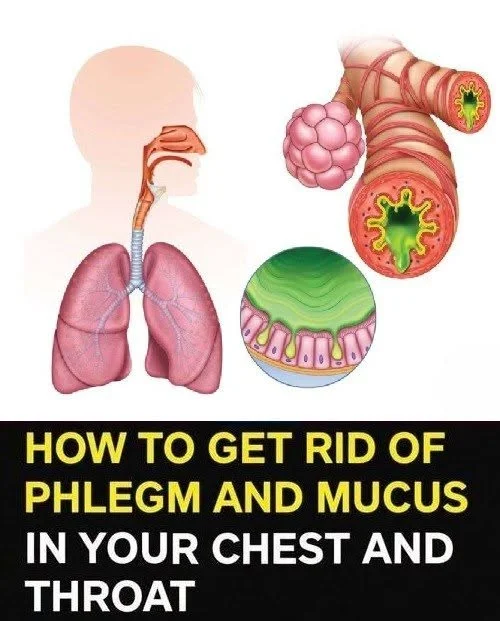
Mucus is a normal part of the respiratory system, helping trap particles and protect the airways. The problem arises when mucus becomes excessive, thick, or difficult to clear.
For mild symptoms, staying hydrated, drinking warm fluids, using saline for nasal symptoms, avoiding smoke, and getting adequate rest may help relieve discomfort. A clean humidifier or warm shower may also provide temporary relief for some people.
However, no natural remedy can reliably clear every case of chest congestion, and persistent phlegm may indicate an underlying condition that needs treatment.
Pay attention to your symptoms rather than relying only on mucus color or a viral home remedy. Seek urgent care for severe breathing problems, significant chest pain, or substantial amounts of blood in your phlegm.
The most effective approach is to ease the symptoms safely while identifying and treating the cause.