How to Make Your Jewelry Shine Again: A Simple Cleaning Method
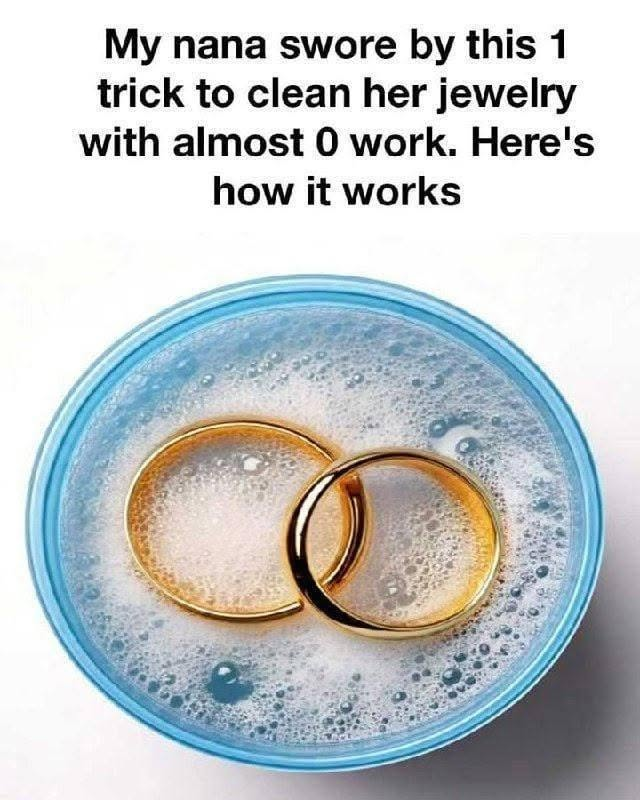
Once the jewelry is clean, rinse it gently with clean lukewarm water.
There is one important practical issue here:
Do not rinse tiny jewelry pieces over an open sink drain.
A ring, earring, or gemstone can slip from your fingers and disappear down the drain.
Instead, close the drain completely or use a bowl or container for rinsing.
This simple precaution can prevent an expensive accident.
Step 6: Dry Thoroughly
Pat the jewelry dry with a soft, lint-free cloth.
Avoid aggressively rubbing delicate surfaces.
For pieces with intricate settings, allow them to air-dry completely after gently patting them.
Moisture can remain trapped behind stones or inside complicated designs.
Making sure the piece is completely dry before storing it is a good habit.
What About Silver Jewelry?
Silver requires slightly different consideration because it can develop tarnish.
Tarnish occurs when the surface of silver reacts with substances in the environment, creating a darker appearance.
Soap and water can remove ordinary dirt, but they may not completely remove established tarnish.
A silver polishing cloth specifically designed for jewelry can be more appropriate for many silver pieces.
Avoid aggressively rubbing silver with harsh household powders or abrasive materials.
Repeated aggressive polishing can remove some surface material and may damage intricate finishes.
Why Does Silver Turn Black?
Silver can react with sulfur-containing compounds in the environment.
This creates silver sulfide, which appears dark.
Exposure to:
Humidity
Certain chemicals
Cosmetics
Perfumes
Household substances
Pollution
can contribute to tarnishing.
Tarnishing does not necessarily mean that the silver is fake or damaged beyond repair.
It is a common characteristic of silver.
With appropriate cleaning, much of the surface tarnish can often be reduced.
What About Gold?
Solid gold is relatively resistant to corrosion, but gold jewelry can still become dirty.
The higher the gold content, the more resistant the metal generally is to tarnishing, although gold jewelry is usually mixed with other metals to create an alloy.
For many solid gold pieces, lukewarm water and mild soap can be an effective cleaning method.
Gold-plated jewelry requires more caution.
Gold-Plated Jewelry Is Different
Gold-plated pieces have a thin layer of gold over another metal.
Aggressive polishing or repeated abrasive cleaning can wear through that layer.
If you scrub gold-plated jewelry too hard, you may eventually expose the underlying metal.
For these pieces, gentle cleaning is especially important.
Avoid abrasive powders and rough brushes.
A soft cloth and mild soapy water may be more appropriate, depending on the manufacturer’s instructions.
What About Diamonds?
Diamonds are durable gemstones, and many diamond jewelry pieces can be cleaned safely with mild soap and lukewarm water.
A soft brush can help remove buildup around the setting.
This can make a diamond appear much brighter because dirt and oils reduce its ability to reflect light.
However, the setting itself still needs inspection.
A diamond can be extremely hard while the metal holding it in place may be worn or damaged.
If the stone is loose, cleaning should wait until the setting is repaired.
Why Do Diamonds Look So Much Brighter After Cleaning?
A diamond’s sparkle depends partly on how light enters and exits the stone.
A layer of oil or dirt can interfere with that process.
Even a thin coating can make a diamond appear dull.
When the surface is cleaned, more light can interact with the stone normally.
This is why cleaning a diamond does not necessarily make the diamond itself “whiter.”
It simply allows its existing optical properties to be seen more clearly.