How to Make Your Jewelry Shine Again: A Simple Cleaning Method
A simple cleaning method can work well, but several viral cleaning tricks can be unnecessarily aggressive.
Avoid toothpaste
Toothpaste can contain abrasive particles.
Those particles may help polish teeth but can scratch some metals and gemstones.
Using toothpaste on jewelry is therefore not automatically a good idea.
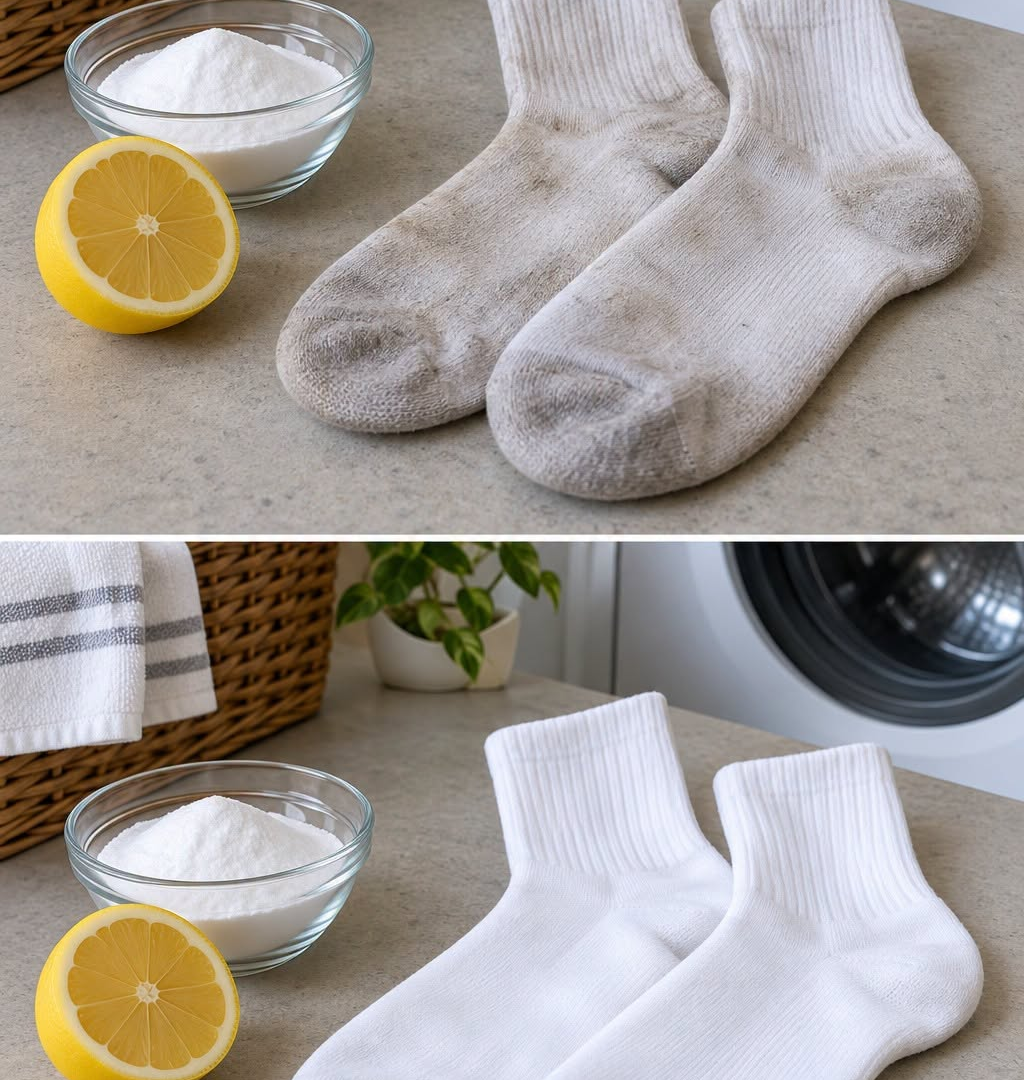
Avoid lemon juice
Lemon juice is acidic.
Although it is sometimes recommended online as a natural cleaner, acids are not appropriate for every jewelry material.
They may affect certain metals, finishes, or gemstones.
Avoid vinegar unless the material specifically allows it
Vinegar is acidic and should not be treated as a universal jewelry cleaner.
Different stones and metals respond differently to acids.
Avoid bleach
Bleach and other strong chlorine-based chemicals can damage certain metals and jewelry components.
There is little reason to take that risk when gentler cleaning methods are available.
Avoid boiling water
Very hot water is unnecessary and may be harmful to certain stones, treatments, adhesives, or delicate pieces.
Lukewarm water is generally a safer starting point for jewelry that can be immersed.
Avoid hard brushes
A stiff brush can scratch softer materials and damage delicate finishes.
A very soft toothbrush is much more appropriate when brushing is suitable.
Don’t Use Ultrasonic Cleaners on Everything
Ultrasonic jewelry cleaners are popular because they can remove dirt from small spaces.
But ultrasonic cleaning is not appropriate for every gemstone or jewelry construction.
Some stones can be damaged by ultrasonic vibration.
Certain treated gemstones can also be vulnerable.
Jewelry containing loose stones, fractures, delicate settings, or certain treatments may not be suitable for ultrasonic cleaning.
If you’re uncertain, use a gentler method or consult a professional.
How Often Should Jewelry Be Cleaned?
There is no single schedule for every piece.
Everyday jewelry may need more frequent cleaning because it is exposed to:
Sweat
Soap
Lotion
Dust
Cosmetics
Oils
Occasionally worn pieces may need cleaning only when they appear dirty.
Rather than following a strict calendar, inspect the jewelry regularly.
If a ring begins looking cloudy or a necklace feels coated with residue, it may simply need a gentle cleaning.
Preventing Jewelry From Becoming Dirty
Cleaning is useful, but preventing buildup can reduce how often it is necessary.
Consider removing jewelry before:
Showering
Swimming
Cleaning with chemicals
Applying lotions
Using strong household products
Exercising heavily
Perfume and hairspray should generally be applied before putting on jewelry.
This reduces the amount of product that comes into contact with the metal and stones.
Store Jewelry Properly
Storage also affects appearance.
Instead of throwing all jewelry into one box, consider keeping pieces separated.
Chains can become tangled.
Different metals can scratch one another.
Delicate stones can be damaged when they rub against harder materials.
Soft pouches, individual compartments, or lined jewelry boxes can help protect pieces.
Keep jewelry away from excessive humidity when appropriate, especially silver, which can tarnish more quickly in certain environments.
A Simple Routine for Everyday Jewelry
For a durable piece such as appropriate solid gold or certain gemstone jewelry, a basic routine can be:
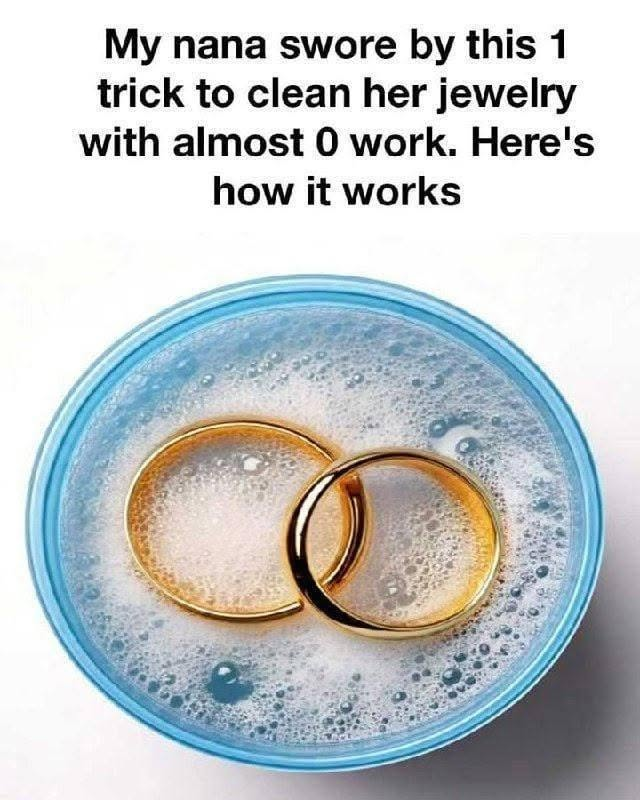
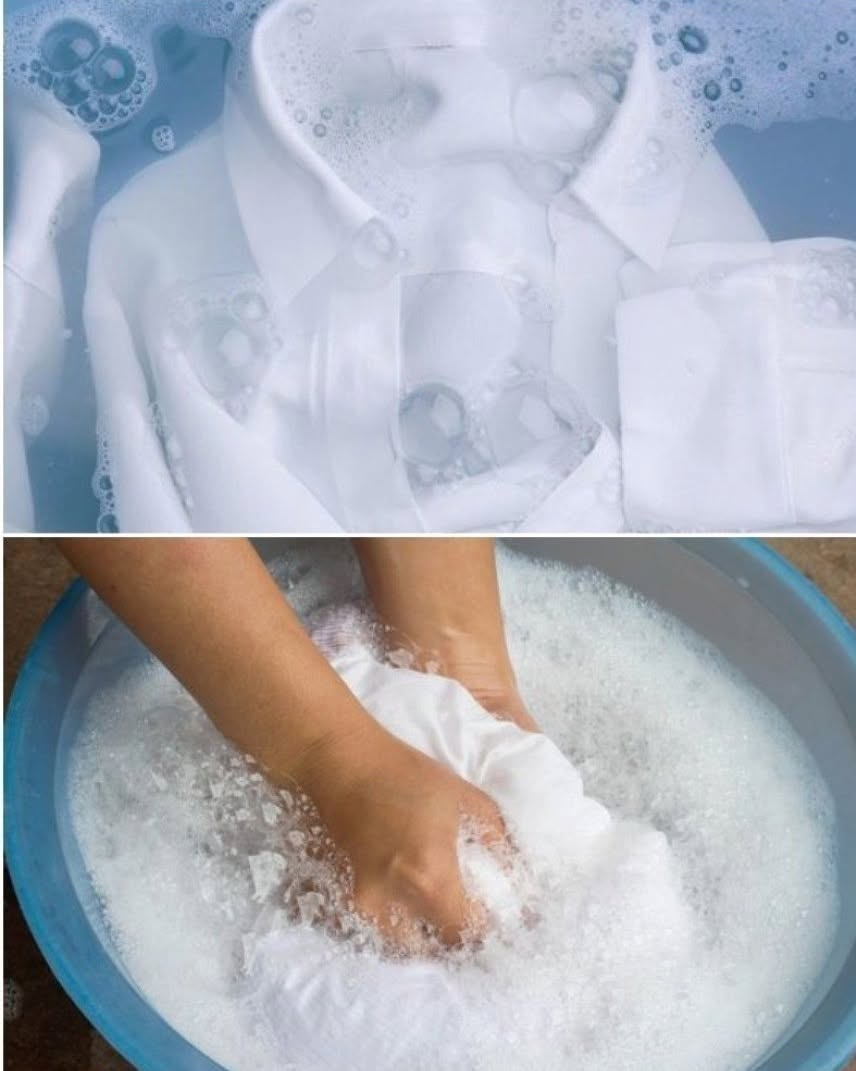
1. Add a few drops of mild dish soap to lukewarm water.
2. Place suitable jewelry in the solution for several minutes.
3. Gently brush accessible surfaces with a soft toothbrush.
4. Rinse carefully with clean water.
5. Pat dry with a soft lint-free cloth.
6. Allow the piece to dry completely before storing it.
This simple method can remove a surprising amount of everyday grime.
When Professional Cleaning Is Better
Professional cleaning is worth considering for valuable, antique, heirloom, or delicate jewelry.
It is particularly appropriate if:
A stone is loose
A setting is damaged
The jewelry contains unusual gemstones
The piece is antique
The jewelry has significant sentimental value
You are unsure what material it is
The metal is heavily tarnished
The jewelry contains delicate treatments
You want the piece inspected as well as cleaned
A professional can clean the piece while also checking the condition of the setting.
The Bottom Line
The simple cleaning idea shown in the image has a useful principle behind it: gentle cleaning with lukewarm water and mild soap can restore the shine of many durable jewelry pieces by removing oils, dirt, and everyday residue.
But jewelry should never be treated as if every metal and gemstone were identical.
Solid gold, silver, platinum, diamonds, pearls, opals, turquoise, plated jewelry, and costume jewelry can require different approaches.
For many durable pieces, a few minutes in mild soapy water followed by gentle brushing, careful rinsing, and thorough drying can make a noticeable difference.
For delicate stones and valuable or antique pieces, avoid experimenting with homemade chemicals or aggressive methods.
And remember that the goal is not to scrub jewelry as hard as possible. The safest cleaning method is usually the gentlest method that effectively removes the dirt.
With a little care, jewelry that looks dull after years of everyday wear can often regain much of its original sparkle without complicated equipment or harsh chemicals.