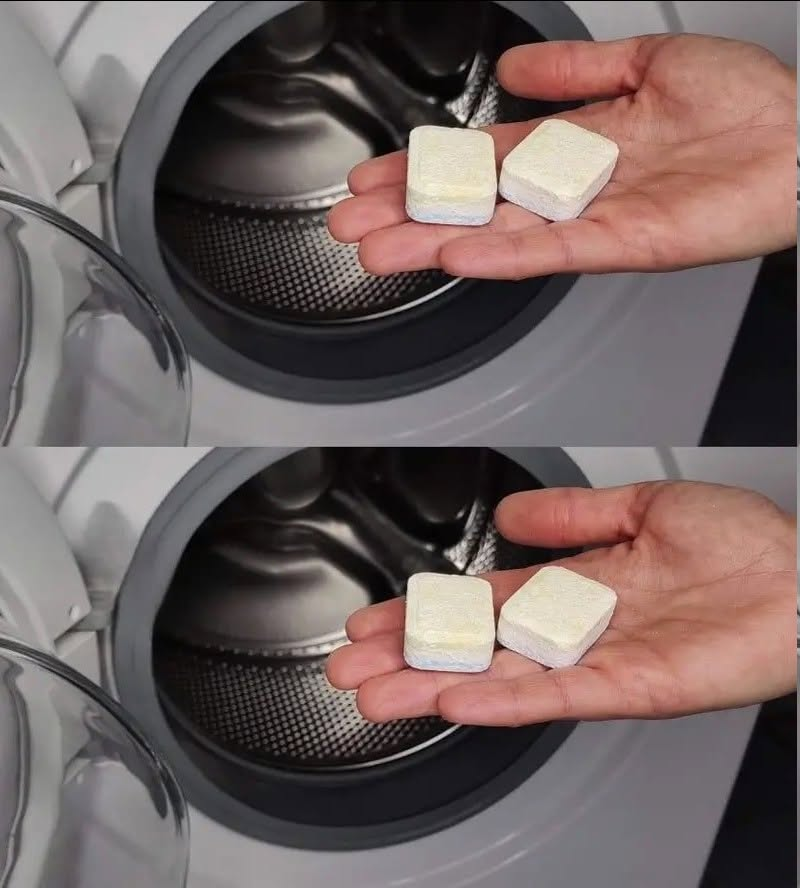
How to Turn Yellowed White Clothes Snow-White Again: Simple Laundry Tips That Really Help
Prepare the following items:
A clean basin or laundry tub.
Lukewarm water, unless the care label recommends another temperature.
A suitable laundry detergent.
Oxygen-based bleach, if appropriate for the fabric.
Clean water for rinsing, if handwashing.
Rubber gloves if recommended by the product instructions.
Oxygen-based bleach is different from chlorine bleach. Many oxygen-bleach products contain ingredients that release active oxygen in water and can help remove certain organic stains.
However, these products are not suitable for every garment. Always check the clothing care label and the product instructions before use.
Step 1: Read the Care Label
Before soaking a garment, inspect its care label.
Cotton shirts, cotton sheets, and many everyday white fabrics can tolerate ordinary washing and certain whitening treatments.
Delicate materials, wool, silk, garments with special finishes, and clothing containing sensitive elastics may require different care.
Do not assume that every white garment can safely be treated with bleach.
White color alone does not indicate that a fabric is bleach-safe.
Step 2: Prepare the Water
Fill a clean basin with water at the temperature recommended for the garment.
Warm water may help with some body-oil residues, but hot water is not automatically better.
Excessive heat can damage certain fibers, set some stains, shrink garments, or affect elastic components.
When in doubt, begin with a cooler temperature and follow the garment manufacturer’s instructions.
Step 3: Add a Suitable Laundry Product
Add the recommended amount of detergent or an appropriate oxygen-based whitening product.
Follow the product’s directions for dilution, water temperature, soaking time, and rinsing.
Avoid combining several whitening products in an attempt to make the treatment stronger.
In particular, never mix chlorine bleach with vinegar, ammonia, acids, or other incompatible cleaners. Such combinations can release dangerous gases or cause hazardous reactions.
A correctly used product is generally a better choice than an improvised mixture with uncertain results.
Step 4: Soak the Garments
Place the suitable white garments in the prepared solution.
Make sure the fabric is adequately immersed and allow it to soak for the period specified by the product manufacturer.
Do not leave clothing soaking indefinitely. Longer soaking does not necessarily produce better results and may damage some fabrics.
Check the garments periodically if the product instructions permit it.
If the fabric develops an unusual color change or other signs of damage, remove it from the solution and rinse it thoroughly.
Step 5: Wash Normally
After soaking, wash the garments according to their care labels.
Use the correct detergent dose and avoid overloading the washing machine.
A properly sized load allows the water and detergent to circulate around the clothes more effectively.
Select an appropriate wash cycle for the fabric and level of soil.
Step 6: Rinse Thoroughly
Make sure the garments are rinsed adequately.
Leftover detergent or whitening-product residue can contribute to stiffness, irritation, or a dull appearance.
If your machine has an additional rinse option and the clothing or product instructions call for it, consider using that setting.
Step 7: Dry According to the Care Label
After washing, dry the garments using a method suitable for the fabric.
Some white cotton items can be line-dried outdoors, while delicate fabrics may need to dry indoors away from direct sunlight.
Sunlight can help certain fabrics appear brighter, but prolonged exposure can also weaken fibers or cause discoloration.
Avoid high dryer temperatures unless the garment label permits them.
Once the clothes are dry, inspect the affected areas to determine whether the treatment has improved the stains.
How to Remove Yellow Underarm Stains
Yellow underarm stains are among the most common problems affecting white shirts.
They often result from a combination of sweat, body oils, deodorant ingredients, and residues that accumulate over time.
The best approach is to pretreat the affected area with a product suitable for the fabric.
Use a Suitable Stain Remover
Apply a laundry stain remover according to its instructions.
Allow the product to remain on the fabric for the recommended time, then wash the garment as directed.
For washable cotton garments, a suitable detergent and oxygen-based stain treatment may help with some stains.
However, old stains may require more than one treatment.
Avoid Excessive Scrubbing
Aggressive scrubbing can damage fibers and create visible wear, especially on lightweight shirts.
Instead, gently work the cleaning product into the fabric if the instructions permit it.
If the garment is delicate or the stain is extensive, consider professional cleaning.
Check Your Deodorant Routine
Some deodorants and antiperspirants can contribute to buildup on clothing.
Allowing deodorant to dry before dressing may reduce transfer to fabric.
Washing shirts soon after wearing them can also help prevent body oils and residues from accumulating over time.
Can Baking Soda Whiten White Clothes?
Baking soda is often mentioned in household laundry advice.
It can be useful in certain cleaning situations, but it should not be treated as a universal whitening agent.
Baking soda may help with some odors and can contribute to cleaning when used appropriately. However, it does not reliably remove every yellow stain or reverse fabric aging.
If you want to try it, check whether the garment and washing machine are compatible with the proposed method.
Avoid adding large quantities of powder to a washing machine. Excessive amounts may leave residue, particularly when the water is hard or the load is too large.
For stubborn yellowing, a laundry product specifically designed for whitening or stain removal may provide more predictable results.