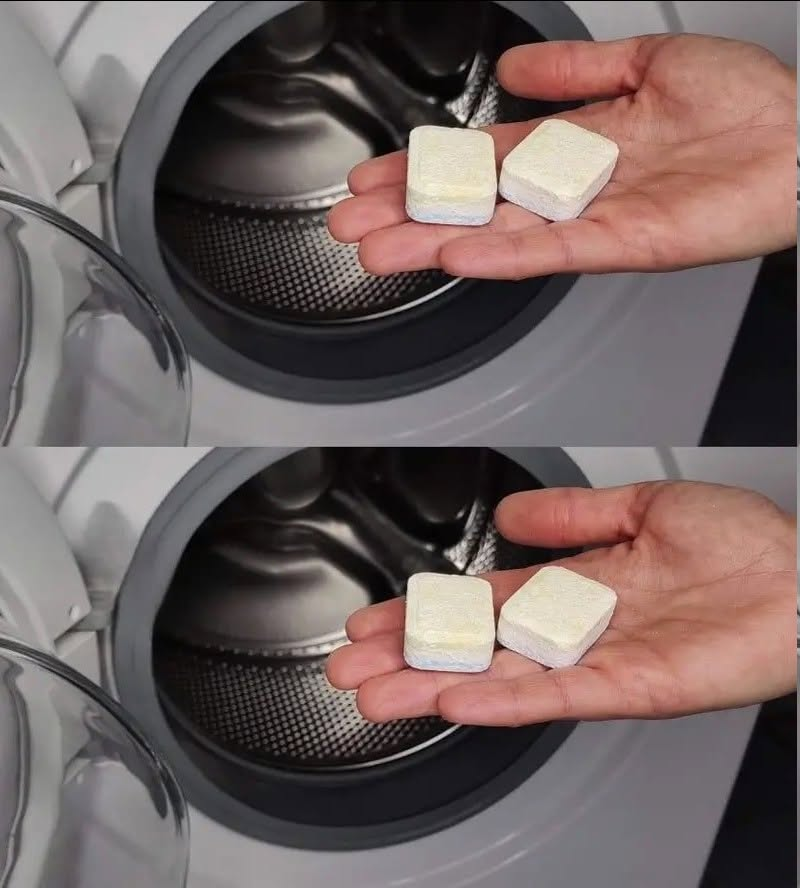
How to Turn Yellowed White Clothes Snow-White Again: Simple Laundry Tips That Really Help
White vinegar is sometimes used in household laundry routines, but its benefits should not be exaggerated.
Depending on the washing machine and fabric, a suitable amount of vinegar may help with certain residues or odors. However, vinegar is not a reliable substitute for a proper whitening treatment.
It does not reverse natural fabric aging or remove every type of stain.
Repeated or inappropriate use may also affect some materials, finishes, seals, or machine components.
Most importantly, never mix vinegar with chlorine bleach. The combination can release toxic chlorine gas.
If you choose to use vinegar for a specific laundry purpose, follow the appliance manufacturer’s recommendations and never combine it with other cleaning chemicals.
Should You Use Chlorine Bleach?
Chlorine bleach can whiten certain washable fabrics, but it requires caution.
It is not suitable for every textile, and incorrect use can cause yellowing, weakening of fibers, color loss, or damage to elastic components.
Some white garments contain synthetic fibers or finishes that react poorly to chlorine bleach.
Before using it, check the garment label and the bleach manufacturer’s instructions.
Never apply concentrated bleach directly to clothing unless the product instructions explicitly allow it.
Do not combine chlorine bleach with vinegar, ammonia, toilet cleaner, or other cleaning products.
For many everyday laundry situations, an appropriate oxygen-based whitening product may be a more suitable option, provided the fabric can tolerate it.
Why White Clothes Sometimes Turn Yellow After Washing
If your clothes appear clean when they come out of the washing machine but become yellow later, consider several possible causes.
Detergent buildup: Too much detergent or insufficient rinsing can leave residue behind.
Body oils: Some oily residues may remain in the fabric after an unsuitable wash cycle.
Heat exposure: High temperatures can affect certain stains and materials.
Storage conditions: Clothes stored before they are completely dry may develop unpleasant odors and discoloration.
Machine residue: Detergent deposits, fabric softener buildup, and dirt inside the washing machine can affect laundry cleanliness.
If the problem affects many garments, clean and maintain the washing machine according to the manufacturer’s instructions.
Check the detergent dispenser, door seal, and accessible filter where appropriate.
A washing machine that smells musty or leaves visible residue on clothes may need maintenance.
How to Keep White Clothes Bright for Longer
Restoring brightness is useful, but preventing future discoloration is often easier.
Separate White Laundry
Wash white clothing separately from colored items whenever possible.
This helps reduce dye transfer and the accumulation of colored lint.
Use the Correct Amount of Detergent
Follow the recommended dosage for the load size and soil level.
Avoid adding extra detergent simply because the clothes look dirty.
Avoid Overloading the Washing Machine
Clothes need enough room for water and detergent to circulate.
An overloaded drum may reduce cleaning performance and leave residues on fabrics.
Treat Stains Early
Do not allow sweat, food, or other stains to accumulate for months before treating them.
Prompt pretreatment can make many stains easier to remove.
Store Clothes Properly
Make sure clothing is clean and completely dry before storing it.
Use a clean, dry storage area with adequate ventilation.
Maintain the Washing Machine
Clean the machine as recommended by the manufacturer.
Remove detergent buildup, inspect the door seal, and follow the instructions for cleaning the detergent drawer and other serviceable parts.
Choose Appropriate Wash Temperatures
Use the warmest temperature allowed by the care label when it is beneficial for the garment and cleaning task.
Higher temperatures are not always necessary and can damage certain fabrics.
What If the Clothes Still Look Yellow?
If a garment remains yellow after appropriate cleaning, the discoloration may be permanent or may require specialized treatment.
Possible causes include:
Long-standing body-oil stains.
Mineral deposits.
Chemical damage.
Deterioration of fibers or finishes.
Yellowing associated with long-term storage.
Previous exposure to unsuitable cleaning products.
Repeated bleaching may weaken the material without improving its appearance.
If the garment is valuable, delicate, or made from a fabric with special care requirements, professional cleaning may be the safest option.
Sometimes, accepting a slight color change is better than risking permanent damage through increasingly aggressive treatments.
Frequently Asked Questions
Can Yellowed White Underwear Become White Again?
Sometimes. If the yellowing comes from removable body oils, sweat, or detergent residue, appropriate pretreatment and washing may improve the appearance.
However, permanent staining and fabric aging may not be reversible.
Always check the care label before using a whitening product.
Does Hot Water Make White Clothes Whiter?
Not necessarily.
The correct temperature depends on the fabric and the type of stain. Hot water can help with certain cleaning tasks but may damage delicate materials or affect some stains.
Follow the garment label and the detergent instructions.
Can I Soak All White Clothes Together?
Not always.
Separate delicate fabrics, heavily soiled garments, and items with special care requirements.
Even white garments may contain different fibers, dyes, trims, or finishes that respond differently to cleaning products.
How Long Should White Clothes Soak?
The appropriate time depends on the product, fabric, and stain.
Follow the manufacturer’s instructions rather than assuming that an overnight soak will produce better results.
Why Do White Towels Become Gray?
Possible causes include detergent residue, hard water, dye transfer, accumulated body oils, and inadequate rinsing.
Washing towels separately when appropriate, using the correct detergent dose, and maintaining the washing machine can help improve their appearance.
Can Sunlight Whiten Clothes Naturally?
Sunlight may help some white fabrics appear brighter, but it is not a universal solution.
Prolonged exposure can weaken fibers and may damage elastic materials or cause unwanted color changes.
Use the drying method recommended for the garment.
Final Thoughts
Yellowed white clothing can be frustrating, but it does not always need to be discarded.
The most effective approach is to identify the likely cause of the discoloration, choose a cleaning product suitable for the fabric, pretreat stubborn stains, and wash the garments correctly.
For many washable white cotton items, an appropriate detergent and carefully used oxygen-based whitening product may help improve brightness. Baking soda and vinegar should not be regarded as miracle solutions, and chlorine bleach should only be used when the fabric and product instructions permit it.
Avoid mixing cleaning chemicals, excessive soaking, and repeated aggressive bleaching.
The real secret to brighter white laundry is not one mysterious ingredient. It is choosing the right treatment, using the correct amount of detergent, and preventing stains and residues from accumulating in the first place.