How to wash yellowed pillows: 3 tips to keep them white and new
Before washing anything, look for the manufacturer’s instructions. Some pillows are machine washable, while others require spot cleaning or professional care.
Down, feather, and many polyester-filled pillows can often be washed, but the instructions vary.
Memory foam and latex pillows generally should not be placed in a washing machine.
**Step 2: Remove the pillowcases and protectors.**
Take off all pillowcases and protective covers. Wash these separately according to their care instructions.
Inspect the pillow for tears, damaged seams, or areas where the filling may escape.
**Step 3: Add detergent and baking soda.**
Place the washable pillows in the washing machine without overcrowding it.
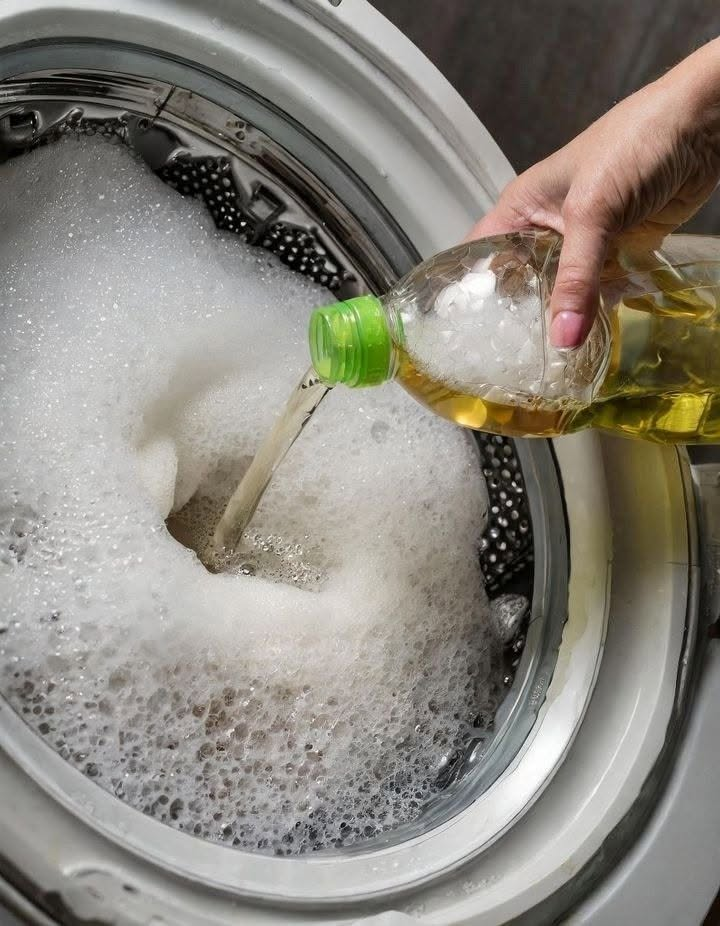
Add your usual laundry detergent and approximately half a cup of baking soda. Adjust the quantity according to the washing machine’s capacity and the product instructions.
**Step 4: Choose a gentle washing cycle.**
Select a gentle cycle with an appropriate water temperature. Warm water may help remove oily residues when the care label allows it.
Avoid using excessively hot water because it may damage certain fabrics or fillings.
**Step 5: Rinse thoroughly.**
Make sure the pillows receive an adequate rinse. Detergent residue left inside the filling can affect their texture and freshness.
If your washing machine has an additional rinse option, consider using it.
**Step 6: Dry completely.**
Drying is one of the most important parts of the process.
Follow the manufacturer’s drying instructions. If machine drying is permitted, use an appropriate low-heat setting and check the pillows regularly.
Never put a pillow back on your bed while the inside is still damp.
# Tip 2: Use Oxygen-Based Laundry Whitener for Stubborn Yellow Stains
Sometimes, ordinary detergent and baking soda are not enough to remove older yellow stains.
For washable white pillows, an oxygen-based laundry whitener may help improve their appearance. These products are generally designed to treat stains and brighten suitable fabrics without relying on traditional chlorine bleach.
However, not every pillow can tolerate this treatment, so checking the care label is essential.
### What You Need
* An oxygen-based laundry whitener
* Regular laundry detergent
* A washing machine or suitable washing container
* Clean water
### How to Use It
**Step 1: Read the product instructions.**
Choose an oxygen-based laundry product specifically suitable for the pillow’s fabric.
Check whether the manufacturer permits its use on your particular pillow.
**Step 2: Prepare the cleaning solution.**
Dissolve the recommended amount of oxygen-based whitener in water according to the package directions.
Do not use more product than recommended. Increasing the concentration does not necessarily improve cleaning and may damage delicate materials.
**Step 3: Treat the pillow if appropriate.**
If the care instructions allow soaking, place the pillow in the prepared solution for the recommended period.
Make sure the entire pillow is treated evenly.
Avoid soaking memory foam, latex, or pillows that are labeled as non-washable.
**Step 4: Wash with detergent.**
After the treatment, wash the pillow according to its care instructions.
Use a gentle cycle and make sure the cleaning product is thoroughly rinsed away.
**Step 5: Dry carefully.**
Allow the pillow to dry completely before using it again.
If you are drying it outdoors, choose a clean, well-ventilated area. Avoid leaving delicate materials exposed to intense sunlight for extended periods.
### An Important Safety Warning
Never mix chlorine bleach with vinegar, ammonia, or other household cleaning products.
Different cleaning chemicals can react and release dangerous gases.
Also, do not assume that chlorine bleach is suitable for every white pillow. It can weaken certain fabrics, damage fillings, and sometimes make yellowing worse.
Always follow the product label and the pillow manufacturer’s instructions.
# Tip 3: Refresh Your Pillows With Proper Drying and Regular Maintenance
Sometimes, the biggest improvement comes from proper maintenance rather than stronger cleaning products.
Pillows can accumulate moisture and odors even when they do not appear visibly dirty. Regular airing, appropriate washing, and complete drying can help maintain their freshness.
### How to Refresh Your Pillows
**Step 1: Remove the pillowcases.**
Take off the pillowcases and protectors so that air can circulate around the pillow.
**Step 2: Air them in a well-ventilated area.**
Place washable or non-washable pillows in a clean, dry location with good airflow.
Follow the manufacturer’s instructions regarding exposure to sunlight.
A short period of airing can help reduce trapped odors and moisture.
**Step 3: Fluff the pillows.**
Gently press and reshape the pillow to redistribute its filling.
This can help restore its shape and make it feel more comfortable.
Avoid aggressively beating or twisting the pillow, particularly if it contains delicate filling.
**Step 4: Make sure the pillows are completely dry.**
This step is especially important after washing.
Moisture trapped inside the pillow can cause unpleasant smells and encourage mold growth.
If a pillow remains damp after cleaning, continue drying it before putting it back on the bed.
**Step 5: Use protective pillow covers.**
A washable pillow protector provides an additional barrier against sweat, oils, and everyday dirt.
Choose a breathable protector that fits your pillow properly.
Wash the protector regularly along with your pillowcases.
## Can You Wash Every Type of Pillow in a Washing Machine?
No. Different pillow materials require different cleaning methods.
Before attempting any of the three tips above, identify the type of pillow you own.
### Polyester-Filled Pillows
Many polyester-filled pillows are machine washable.
Use a gentle cycle, mild detergent, and an appropriate water temperature. Avoid excessive heat during drying.
Always follow the care label.
### Down and Feather Pillows
Some down and feather pillows can be machine washed, provided the manufacturer allows it.
Use a gentle cycle and a detergent suitable for delicate materials.
Thorough drying is particularly important because moisture can remain trapped among the feathers.
### Memory Foam Pillows
Memory foam pillows should generally not be machine washed or soaked.
Water can damage their structure and make complete drying difficult.
Instead, remove the outer cover if it is washable and clean the foam surface carefully according to the manufacturer’s instructions.
Allow the foam to air-dry completely.
### Latex Pillows
Latex pillows also require special care.
Avoid putting them in a washing machine or soaking them unless the manufacturer specifically permits it.
Usually, spot cleaning with a lightly damp cloth and mild soap is a safer approach.
## How Often Should You Wash Your Pillows?
The ideal cleaning schedule depends on the pillow material, personal habits, and manufacturer’s recommendations.
As a general household routine:
* **Pillowcases:** Wash at least once a week.
* **Pillow protectors:** Wash every few weeks or according to their care instructions.
* **Washable pillows:** Clean approximately every three to six months when permitted by the manufacturer.
* **Non-washable pillows:** Refresh and spot-clean according to the manufacturer’s recommendations.
People who sweat heavily, use hair products, or experience seasonal allergies may need to pay closer attention to pillow hygiene.
Remember that pillowcases and protectors should be cleaned more frequently than the pillows themselves.
## Five Simple Habits to Prevent Yellow Pillows
Cleaning yellowed pillows is useful, but preventing stains from developing in the first place can save considerable time and effort.
Here are five habits worth adopting.
**1. Change your pillowcases regularly.**
Pillowcases collect much of the sweat, skin oil, and hair products that would otherwise reach the pillow.
Changing them weekly helps reduce buildup.
**2. Use washable pillow protectors.**
A good pillow protector creates an additional protective layer and can help extend the life of your pillows.
Choose one that is breathable and easy to wash.
**3. Never store damp pillows.**
If you wash your pillows, make sure they are completely dry before storing them.
Even slightly damp pillows can develop unpleasant odors.
**4. Keep hair products away from your bedding.**
Allow hair oils, conditioners, and skincare products to absorb or dry before going to bed.
This can reduce the amount of residue transferred to your pillow.
**5. Air your bedding regularly.**
Whenever practical, allow your pillows and bedding to air in a clean, well-ventilated space.
Avoid storing bedding in humid areas.
## When Should You Replace a Yellowed Pillow?
Although cleaning can improve the appearance of many pillows, it cannot restore every pillow to its original condition.
Some yellow stains become permanent, particularly when oils and other residues have accumulated over several years.
You should consider replacing a pillow if:
* It has persistent unpleasant odors even after proper cleaning.
* It contains visible mold or has been contaminated by extensive moisture.
* The filling has become permanently flattened or lumpy.
* It no longer provides adequate support.
* The fabric is torn or the filling is deteriorating.
* It has reached the end of its recommended lifespan.
A clean-looking pillow is not necessarily a supportive or hygienic pillow. Its overall condition matters just as much as its color.
## Final Thoughts
Yellowed pillows are a normal result of everyday use, but that does not mean you have to replace them immediately.
With the right cleaning approach, many washable pillows can regain a fresher appearance and become more pleasant to use.
Start with regular laundry detergent and baking soda for suitable washable pillows. For more stubborn discoloration, consider an appropriate oxygen-based laundry whitener. Finally, make proper drying and regular maintenance part of your bedding routine.
Most importantly, always check the care label before using water, cleaning products, or heat. Different pillow materials have different needs, and the wrong cleaning method can cause permanent damage.
A little regular attention can help keep your pillows cleaner, fresher, and more comfortable for longer.