I Unplugged Almost Everything in My House to Save Money on Electricity – Here’s What I Discovered
After learning more about standby electricity, I realized that saving energy does not require complicated changes.
Here are five practical habits worth adopting.
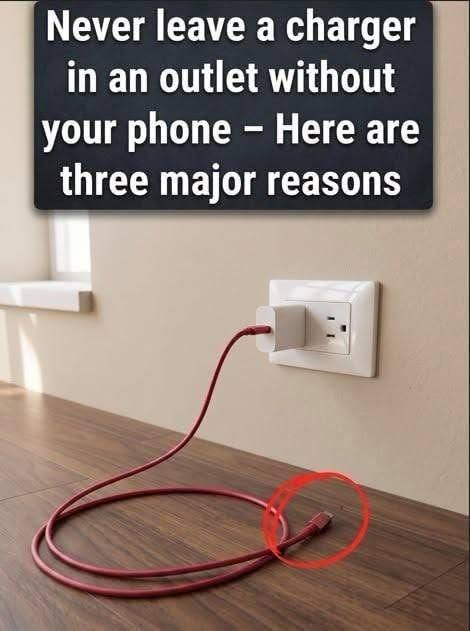
1. Unplug chargers when they are not needed.
Phone chargers and other small adapters can be disconnected when they are not charging anything.
2. Completely switch off unused electronics.
Televisions, gaming equipment, computers, and other electronics may consume electricity in standby mode.
3. Avoid leaving unnecessary lights switched on.
Turning off lights when leaving a room is a simple way to reduce electricity consumption.
4. Choose energy-efficient appliances.
When replacing an old appliance, compare its energy efficiency and expected annual electricity consumption.
5. Measure before making changes.
A simple electricity meter can reveal which devices are actually consuming the most energy.
These habits are generally more effective when combined with other energy-saving practices, such as improving heating and cooling efficiency.
11. Why Unplugging Everything Is Not Always the Best Strategy
One surprising thing I learned was that the effort involved in unplugging every appliance may not always be worth the small amount of electricity saved.
Some modern electronics use extremely little standby power.
Disconnecting them repeatedly might save only a few cents over an extended period.
There are also practical considerations.
Frequently pulling plugs out of electrical outlets can cause unnecessary wear on plugs and sockets.
For devices that need to remain connected, using their normal power-saving settings may be more convenient.
It is also important to avoid disconnecting equipment during software updates, recordings, or other processes that require continuous power.
A smarter strategy is to identify the devices with meaningful standby consumption and concentrate on those.
12. What I Would Change in My Household Now
After learning about standby electricity, I would not recommend unplugging every single appliance after every use.
Instead, I would establish a simple routine.
Phone chargers would be disconnected when not needed.
Entertainment electronics would be switched off completely when nobody was using them.
Kitchen appliances that were rarely used would be disconnected when practical.
Computers and printers would be shut down properly when they were not needed.
The refrigerator, freezer, router, and essential equipment would remain connected.
This approach offers a reasonable balance between saving electricity, maintaining convenience, and protecting household appliances.
Final Thoughts: Does Unplugging Appliances Really Save Electricity?
After looking more closely at household electricity consumption, I understand why my husband believed unplugging appliances was worthwhile.
He was right about one important thing: some appliances continue consuming electricity even when they appear to be switched off.
This hidden consumption is known as standby power, phantom electricity, or vampire energy.
However, the amount varies considerably between devices.
Unplugging certain electronics, chargers, and rarely used appliances can reduce unnecessary electricity consumption, but it is unlikely to transform your electricity bill overnight.
The biggest savings often come from combining several sensible habits, including using energy-efficient appliances, reducing unnecessary heating and cooling, switching off unused lights, and managing standby consumption.
The most important lesson is not to unplug everything blindly.
Instead, understand which appliances use electricity when they are not being used, measure their consumption when possible, and make changes where they genuinely matter.
Sometimes, saving money on electricity does not require buying expensive equipment or making major renovations.
It starts with understanding what is happening inside your own home.