I Used Castor Oil for Neuropathy for 30 Days: What You Should Know About the Possible Benefits and Risks
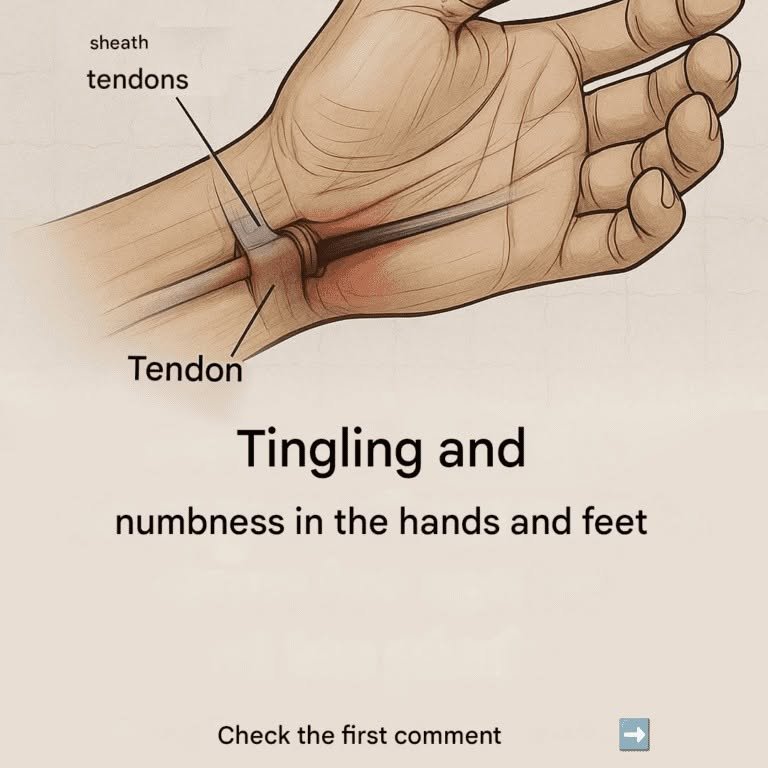
Peripheral neuropathy can affect everyday life in ways that are difficult for others to understand. A burning sensation in the feet, tingling in the fingers, numbness in the toes, or sudden electric-like pains can make walking, sleeping, and performing ordinary activities uncomfortable. For some people, symptoms are mild and occasional. For others, nerve pain becomes a persistent problem that affects their independence and quality of life.
Because conventional treatments do not always eliminate every symptom, many people explore complementary approaches that may help them feel more comfortable. One traditional remedy that frequently attracts attention is castor oil, a thick vegetable oil obtained from the seeds of the castor plant.
Some people apply castor oil to their feet, massage it into uncomfortable areas, or use warm compresses soaked in the oil. Personal stories sometimes describe improvements after several weeks of use, leading others to wonder whether applying castor oil for 30 days could help relieve neuropathy.
However, an important distinction must be made between a personal experience and a scientifically established treatment. Castor oil has not been proven to repair damaged peripheral nerves or reverse peripheral neuropathy. Although applying the oil may moisturize dry skin and the gentle massage associated with its use may feel soothing, these effects are not the same as treating the underlying nerve damage.
Understanding what castor oil can and cannot do is essential before trying it as part of a personal comfort routine.
What Is Peripheral Neuropathy?
Peripheral neuropathy describes damage or dysfunction affecting the peripheral nerves, which carry information between the brain, spinal cord, and the rest of the body.
These nerves help you feel temperature, pressure, pain, and touch. They also control many muscle movements and contribute to automatic functions such as sweating, digestion, blood pressure regulation, and bladder activity.
When peripheral nerves become damaged, the signals they transmit may become weaker, distorted, or unusually intense.
The resulting symptoms depend on which nerves are affected and the underlying cause.
Common Symptoms of Peripheral Neuropathy
People with peripheral neuropathy may experience several symptoms, including:
Numbness: A reduced ability to feel touch, pressure, temperature, or pain in the feet or hands.
Tingling: A sensation often described as pins and needles, crawling, or tiny electrical pulses beneath the skin.
Burning pain: A persistent burning sensation that may become particularly noticeable at night.
Sharp or shooting pain: Sudden bursts of pain that travel through the feet, legs, hands, or arms.
Sensitivity to touch: Clothing, bed sheets, or light contact may become uncomfortable or painful.
Muscle weakness: Damage to certain nerves can make walking, gripping objects, or maintaining balance more difficult.
Reduced coordination: Changes in sensation may make it harder to determine where the feet are positioned, increasing the risk of falls.
Some people experience only one or two symptoms, while others develop several at the same time.
Peripheral neuropathy is not a single disease. It is a condition that can develop for many different reasons, which is why identifying the underlying cause is so important.
What Causes Peripheral Neuropathy?
Before deciding whether any home remedy might be helpful, it is important to understand why the nerves are affected.
Several conditions can contribute to peripheral neuropathy.
1. Diabetes and High Blood Sugar
Diabetes is one of the most common causes of peripheral neuropathy.
Persistently elevated blood sugar can damage nerves and the small blood vessels that supply them. Over time, this damage may cause burning, tingling, numbness, or reduced sensation, particularly in the feet.
Managing blood sugar appropriately can help reduce the risk of further nerve damage. However, existing nerve damage may not disappear completely, even when blood sugar improves.
2. Vitamin Deficiencies
Certain vitamins are necessary for healthy nerve function.
Vitamin B12 deficiency, for example, can cause neurological symptoms, including numbness, tingling, balance problems, and weakness.
Other nutritional problems may contribute to nerve dysfunction as well.
Taking supplements without identifying a deficiency is not always beneficial. Excessive intake of certain vitamins, particularly vitamin B6, can itself cause nerve damage.