If the Veins on Your Hands Are Visible, Does It Mean Something Is Wrong?
Visible veins on the hands can look alarming, especially when they suddenly seem more prominent than usual. Social-media posts sometimes suggest that veins showing through the skin are a warning sign of poor circulation, heart disease, dehydration, or another serious medical problem.
But visible hand veins are very common and, by themselves, usually not a sign of disease.
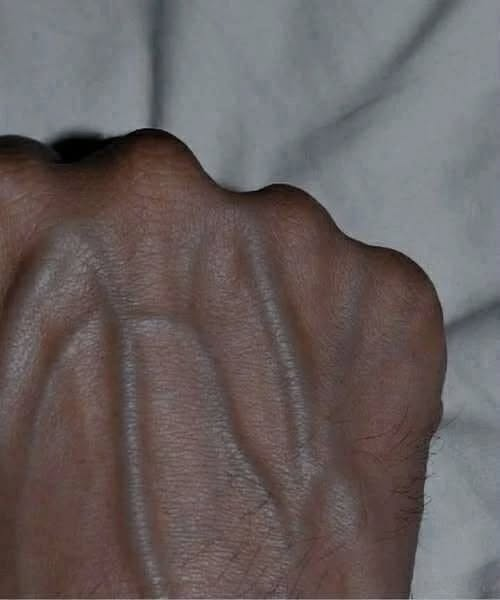
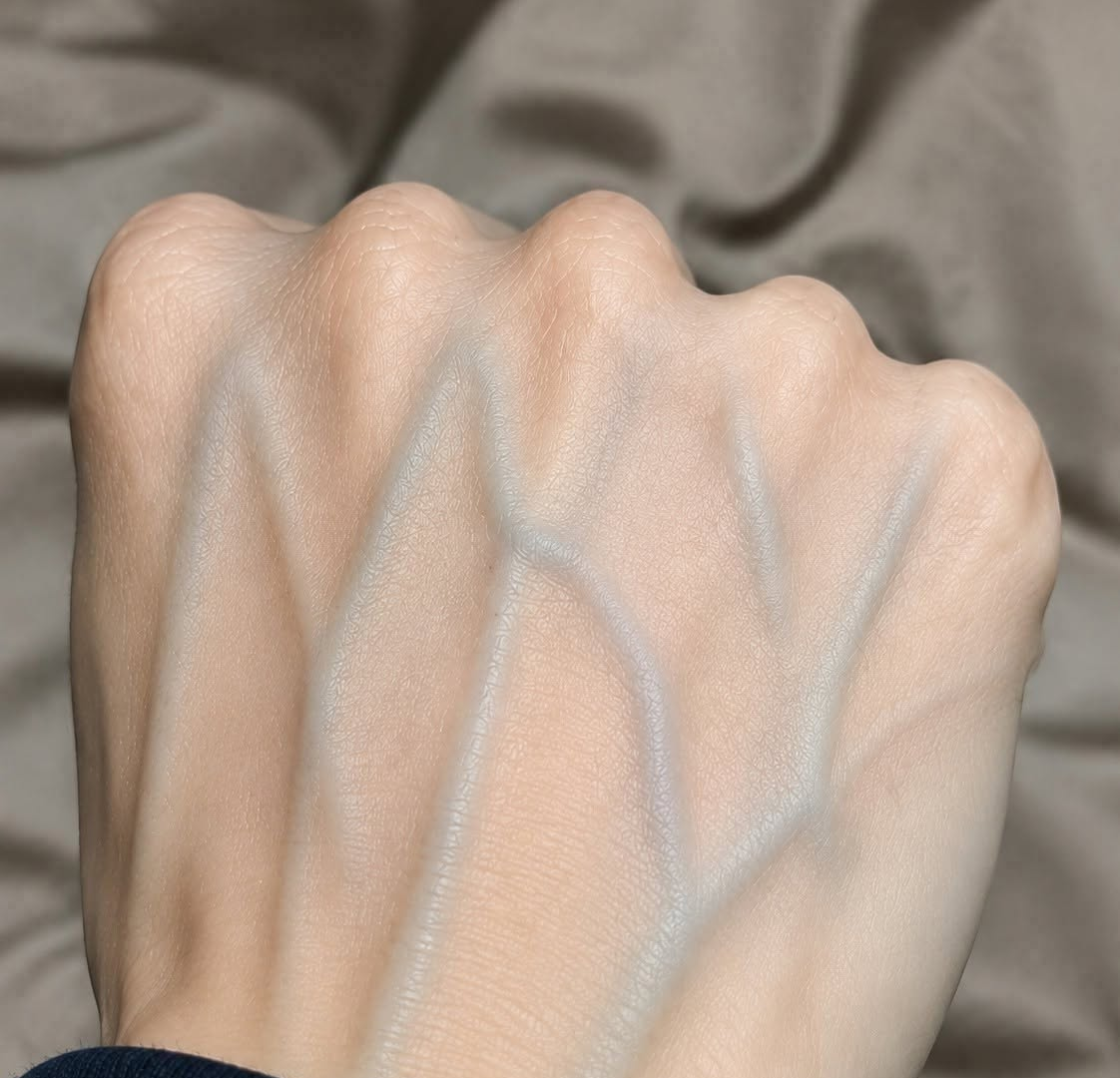
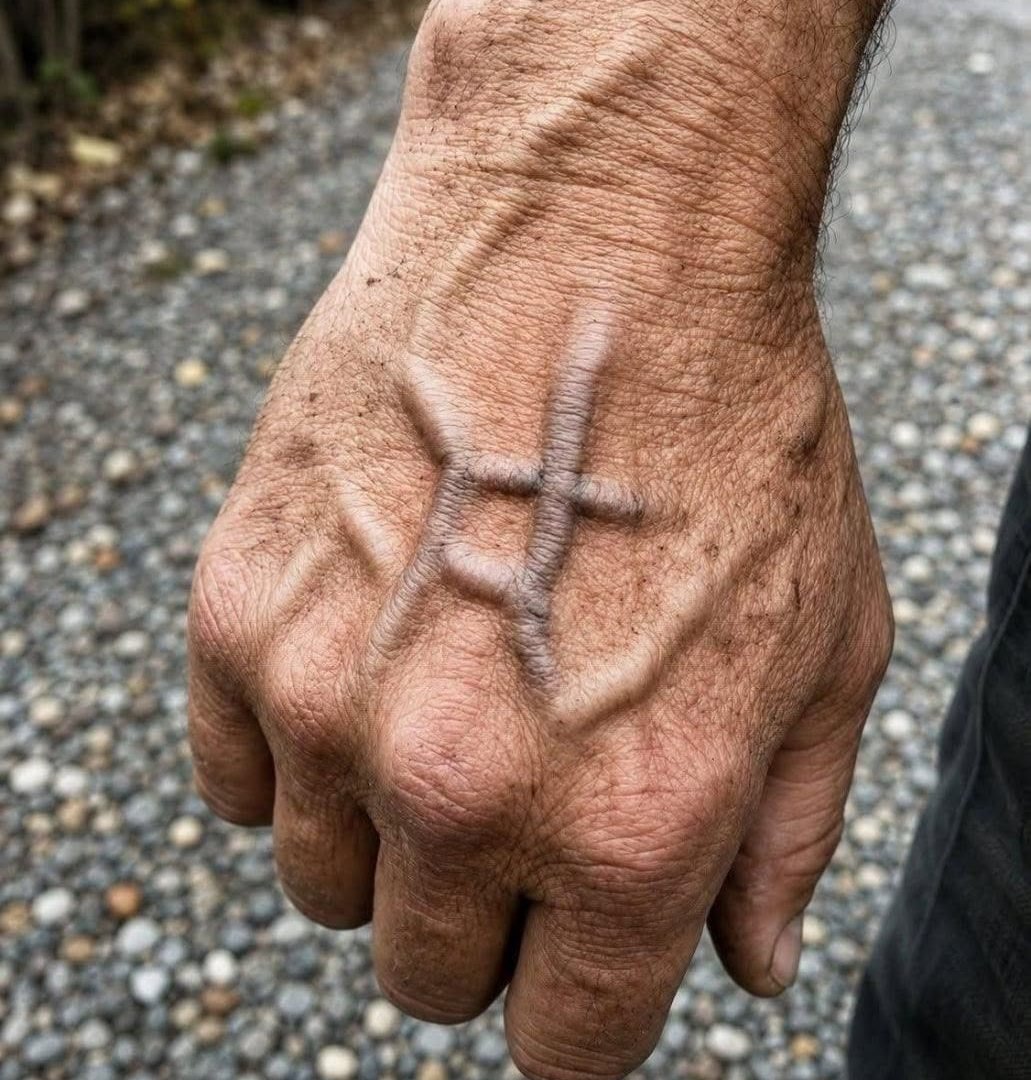
The image shows prominent veins across the back of the hand. This appearance can occur for many completely normal reasons, including genetics, age, body composition, exercise, heat, and the position of the hand.
The important thing is to look at the whole picture, rather than treating visible veins alone as a diagnosis.
Why Are Hand Veins Visible?
Veins carry blood back toward the heart. Some veins run relatively close to the surface of the skin, particularly on the hands and forearms.
When those veins become more noticeable, it does not necessarily mean that something is wrong.
Several normal factors can make them stand out.
1. Naturally Thin Skin
Some people naturally have thinner or more translucent skin.
When the skin is thin, the structures underneath it—including veins, tendons, and bones—can become easier to see.
This can be especially noticeable on the backs of the hands.
Two people can have completely different-looking hands even when both are perfectly healthy.
2. Low Body Fat
People with less fat beneath the skin often have more visible veins.
This is particularly common in people who exercise regularly or have naturally lean body types.
A person may notice prominent veins after losing weight, even though the veins themselves have not suddenly become abnormal.
3. Exercise
Physical activity can temporarily make veins more prominent.
During exercise, muscles require increased blood flow. Changes in blood flow and pressure can cause superficial veins to appear fuller.
Someone may notice particularly visible veins after:
Weightlifting
Push-ups
Running
Cycling
Manual labor
Carrying heavy objects
The veins may become less noticeable again after the body returns to its resting state.
4. Heat
Hot weather can make superficial veins more noticeable.
When the body is warm, blood vessels near the skin can widen to help release heat.
As a result, veins on the hands and arms may look larger or more pronounced.
This is one reason a person might notice much more visible veins during summer than during colder weather.
5. The Position of Your Hand
Gravity also matters.
If you hold your hand below the level of your heart for a while, blood can temporarily pool more in the superficial veins.
The veins may look larger.
If you raise your hand above your heart, they may become less prominent.
This simple change in appearance is usually normal.
Age Can Make Hand Veins More Visible
As people get older, the skin gradually becomes thinner and loses some of its elasticity.
Subcutaneous tissue can also decrease, making veins and tendons easier to see.
This is one reason prominent veins are particularly common on the hands of older adults.
The veins themselves may not have suddenly developed a problem.
Instead, the tissues surrounding them have changed, making structures that were already there more visible.
Visible veins can therefore be part of normal aging.
Does It Mean You Have Poor Circulation?
Not necessarily.
This is one of the most common misconceptions surrounding prominent hand veins.
Visible superficial veins do not automatically indicate poor circulation.
In fact, veins are part of the body’s normal circulation system.
Problems involving circulation can produce other symptoms, but simply being able to see veins on the back of your hand is not enough to diagnose a circulation disorder.
More concerning changes might include persistent swelling, significant color changes, coldness, pain, numbness, weakness, or wounds that do not heal properly.
The presence of visible veins alone is much less specific.
What About Dehydration?
Another popular claim is that visible veins automatically mean you are dehydrated.
This is also an oversimplification.
Dehydration can sometimes make veins appear more noticeable because fluid balance and circulation change, but visible hand veins are not a reliable dehydration test.
A person can be well hydrated and still have very prominent veins.
Likewise, someone can be dehydrated without having particularly visible hand veins.
Other signs are more useful when assessing possible dehydration, such as thirst, dry mouth, reduced urination, dark urine, dizziness, or unusual weakness.
Even these symptoms can have other causes.
What About Heart Problems?
Seeing veins on your hands does not, by itself, mean that you have heart disease.
Heart and circulation problems can sometimes cause swelling or prominent veins in particular circumstances, but a normal-looking network of superficial veins on the back of the hand should not automatically be interpreted as evidence of a heart problem.
More important symptoms include unexplained shortness of breath, chest discomfort, fainting, significant swelling of the legs, unusual fatigue, or sudden changes in exercise tolerance.
If those symptoms occur, they deserve proper medical evaluation.
A photograph of someone’s hand cannot determine the condition of their heart.