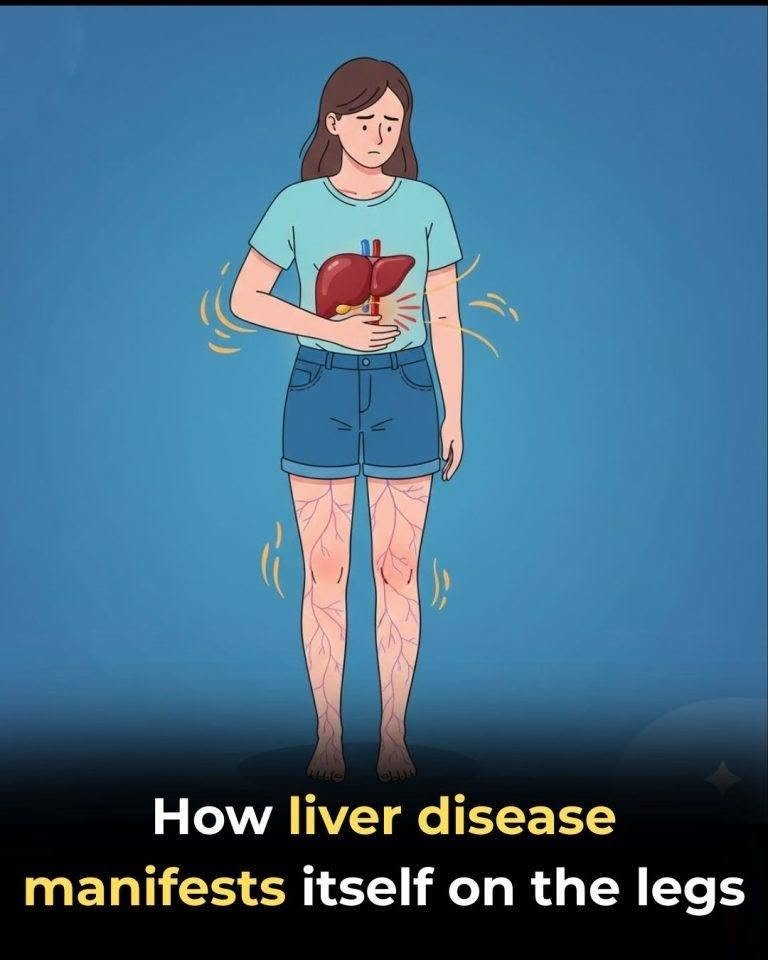
5 Signs on Your Legs That Could Be Warning Signs of Liver Disease
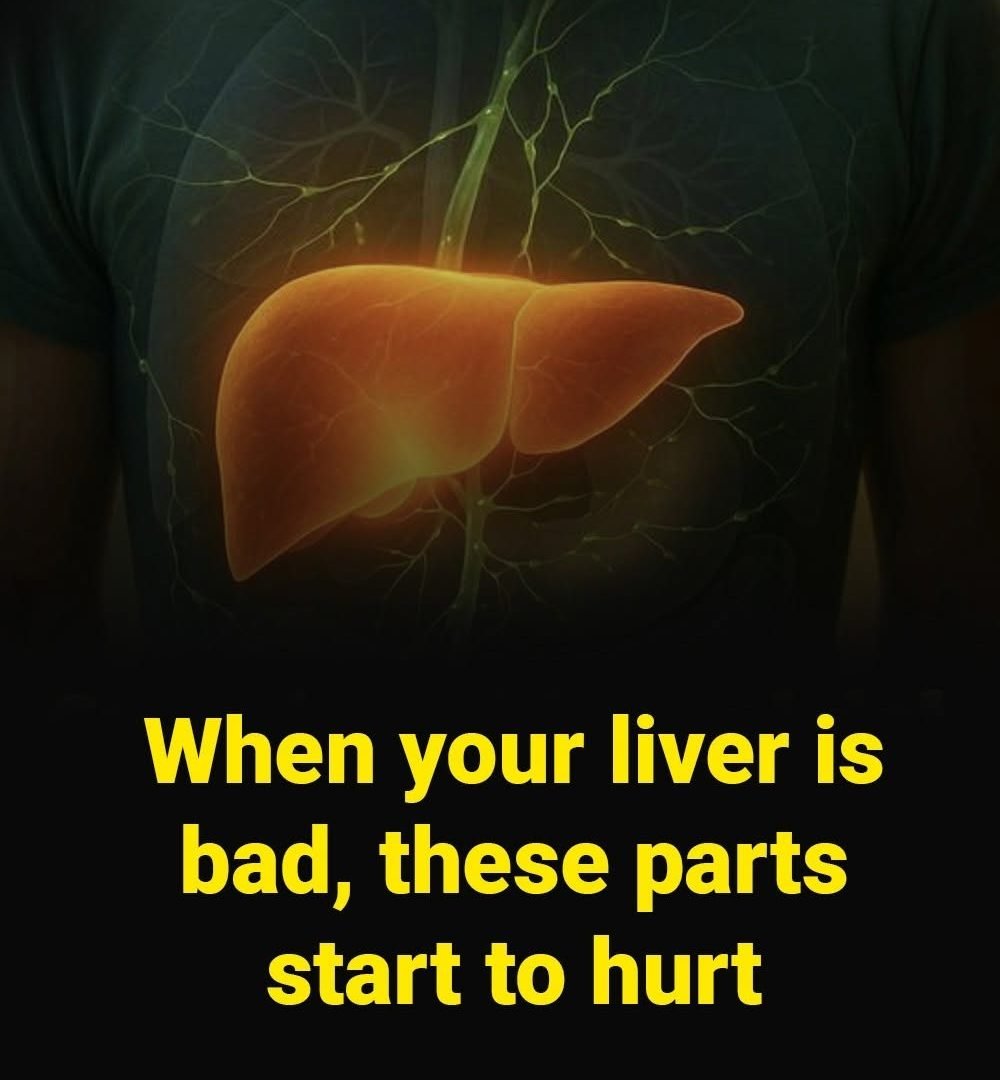
Liver disease can develop gradually, sometimes without noticeable symptoms during its early stages. The liver performs essential functions, including processing nutrients, producing proteins needed for blood clotting, helping regulate metabolism, and removing waste products from the bloodstream.
When the liver becomes damaged, its ability to perform these functions may decline. Depending on the underlying condition and its severity, changes may appear in different parts of the body, including the legs, ankles, and feet.
Some people develop swelling in their lower limbs, changes in skin color, itching, or unusual bruising. These symptoms can sometimes occur in advanced liver disease, particularly when the liver’s ability to produce proteins or regulate fluid balance is affected.
However, leg symptoms alone cannot confirm that someone has liver disease. Many of the same symptoms can result from heart problems, kidney disease, circulation disorders, medication side effects, or other conditions.
Understanding which changes deserve attention can help you recognize when to seek medical advice.