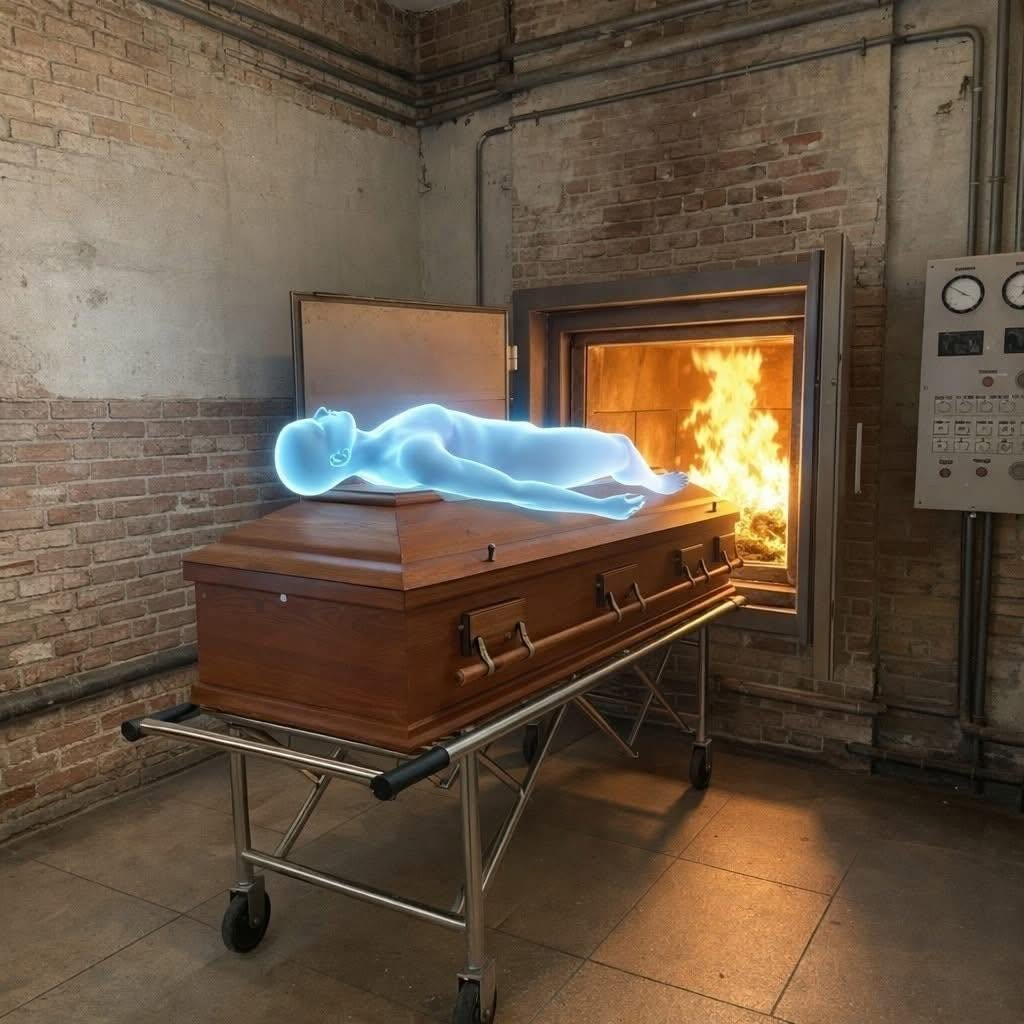
Is Cremation a Sin According to the Bible? The Answer May Surprise You…
Introduction
Cremation is a subject that raises important questions for many Christians. When a loved one dies, families often face difficult decisions about burial, cremation, and how best to honor the person who has passed away. For some, the decision is influenced by family traditions or personal preferences. For others, it comes down to a deeper spiritual question: Does the Bible teach that cremation is a sin?
The answer is more nuanced than many people realize.
The Bible contains numerous accounts of people being buried after death, and traditional burial has been the most common practice throughout much of Christian history. However, Scripture does not contain a direct commandment that explicitly prohibits cremation for all believers. Understanding what the Bible says requires looking at its teachings about death, the human body, resurrection, and the hope Christians have in eternal life.
Christians also belong to different denominations, and their interpretations of cremation can vary. Some strongly prefer traditional burial, while others consider cremation an acceptable choice when approached with respect for the deceased and faith in God.
To understand the issue more clearly, let’s examine the relevant biblical passages and the spiritual principles behind them.
1. Does the Bible Explicitly Forbid Cremation?
One of the most important points to understand is that the Bible does not contain a direct statement saying, “You shall not cremate the dead.”
There is no universal biblical commandment that explicitly declares cremation a sin in every circumstance.
Instead, the Bible describes several burial practices and provides accounts of bodies being burned in particular situations. These passages must be interpreted within their historical and spiritual contexts rather than treated as a single, straightforward rule about modern cremation.
In biblical times, burial was a common way of honoring the dead. People were often placed in family tombs, caves, or graves. Abraham buried Sarah, for example, in the cave of Machpelah, as described in Genesis 23.
The burial of Jesus Christ is another central example. According to the Gospels, Jesus’ body was wrapped in linen and placed in a tomb after His crucifixion.
Because burial was a familiar and respected custom, many Christians throughout history have regarded it as the preferred way to care for the dead.
However, a practice being common in the Bible does not automatically mean that every alternative is forbidden.
The absence of a direct prohibition does not settle every theological question, but it means that Christians should be cautious about declaring cremation sinful solely because the Bible describes burial more frequently.
The broader teachings of Scripture, particularly those concerning the resurrection, are essential to understanding the issue.
2. Why Was Burial So Important in Biblical Times?
Burial carried deep cultural, emotional, and religious significance in the ancient world.
In the Old Testament, the burial of a deceased person was often associated with dignity, family continuity, and respect. Being laid to rest among one’s ancestors could symbolize belonging to a family and community.
Genesis 25:8 describes Abraham’s death and his burial by his sons. Similar accounts appear throughout the Old Testament, including the burials of Isaac, Jacob, and Joseph.
These examples demonstrate that burial was a familiar and honorable way of treating the dead among the people of Israel.
The importance of burial also appears in the New Testament. After Jesus died, Joseph of Arimathea asked Pilate for His body and placed it in a tomb. The Gospel accounts emphasize the care taken in preparing Jesus’ body for burial.
For Christians, this event is particularly significant because Jesus’ death and resurrection form the foundation of Christian faith.
Some believers therefore see traditional burial as a meaningful way to follow the example of Jesus.
Nevertheless, it is important to distinguish between an example and an explicit command. The Gospel accounts describe how Jesus was buried, but they do not directly state that every Christian must receive the same physical treatment after death.
Burial was the customary practice in that setting, and its symbolism remains meaningful to many Christians today.
Other Christians believe that cremation can also be consistent with biblical faith, provided the deceased is treated respectfully and the decision does not reflect a rejection of God or the Christian hope of resurrection.