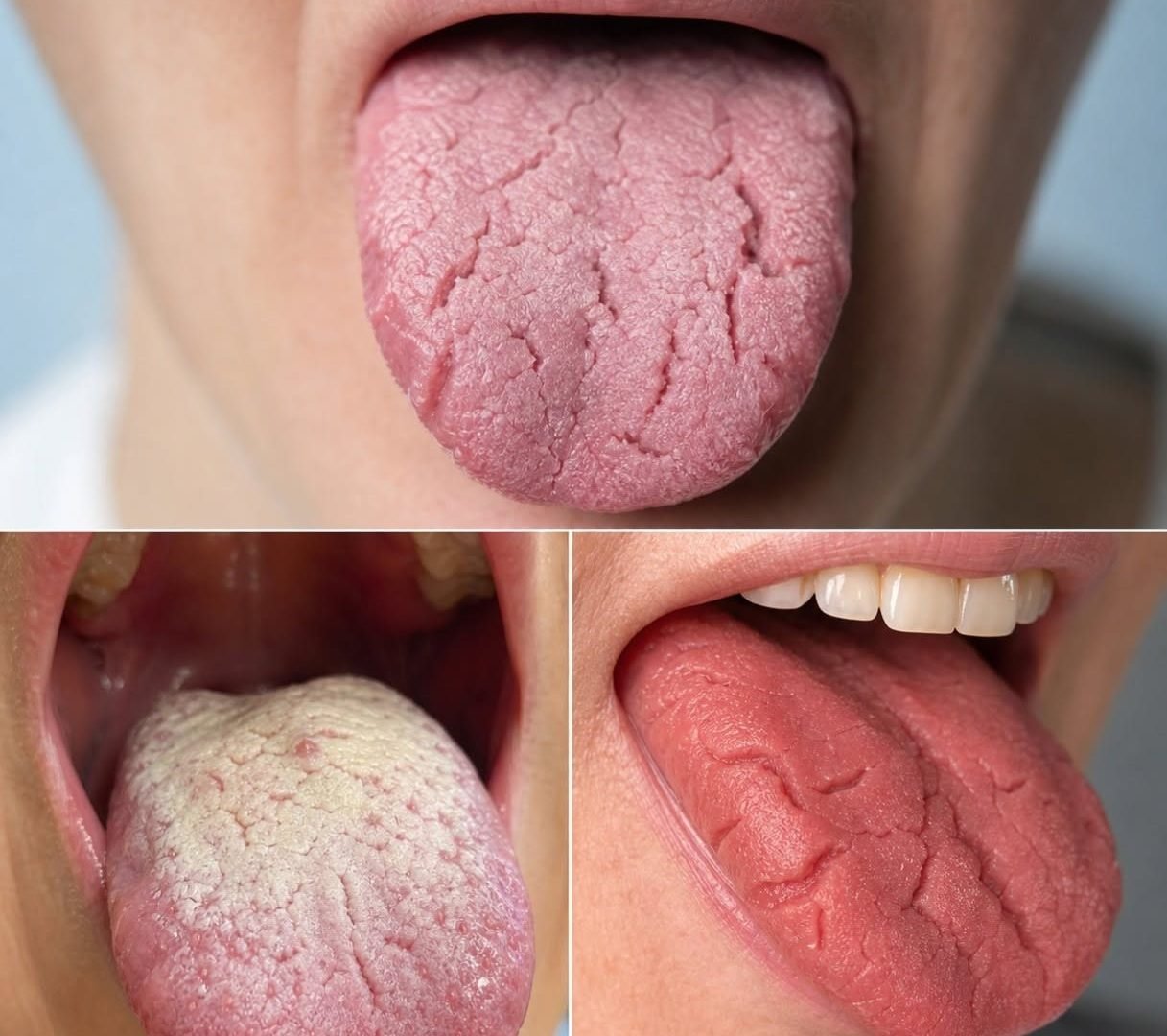
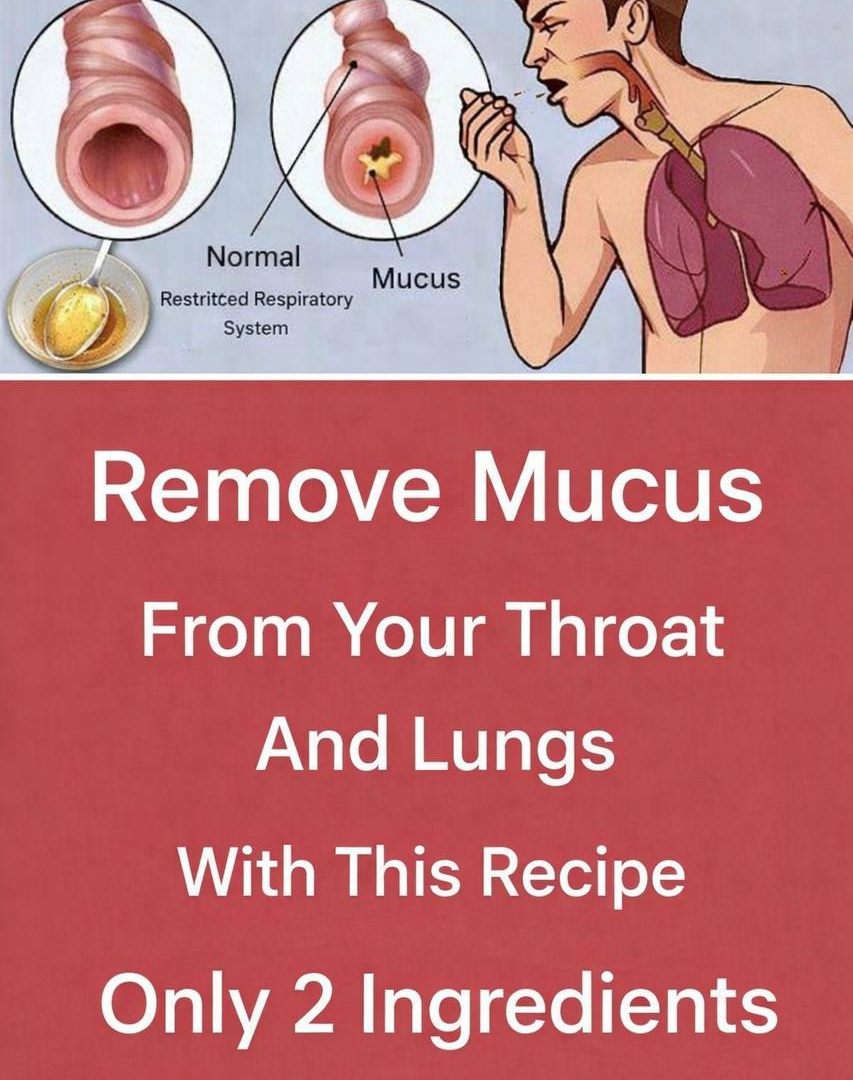
Phlegm: Your Respiratory System’s Unsung Hero—and 8 Simple Ways to Clear Excess Mucus
You may have heard that breathing over a bowl of boiling water helps clear mucus.
The problem is that this can cause serious burns.
Children are particularly vulnerable to scalding injuries from hot water and steam.
If you prefer humidified air, a properly maintained humidifier or simply taking a warm shower is a safer approach than leaning over boiling water.
3. Use Saline for Nasal Congestion
If mucus is coming from the nose or sinuses, saline nasal spray or saline rinsing can help loosen and remove mucus.
Saline contains salt and water and doesn’t rely on medication.
If you use a nasal irrigation device, such as a neti pot or squeeze bottle, water safety is extremely important.
Use distilled, sterile, or appropriately boiled and cooled water rather than untreated tap water.
The device should also be cleaned according to its instructions.
A saline rinse can be particularly useful when allergies, congestion, or postnasal drip are contributing to throat mucus.
4. Take a Warm Shower
A warm shower can temporarily make the nose and throat feel more comfortable.
The combination of warmth, humidity, and relaxation can help loosen secretions and make coughing or blowing your nose easier.
However, the effect is usually temporary.
A shower doesn’t cure the infection or eliminate the underlying cause of mucus production.
Think of it as a comfort measure that can help you clear secretions more easily.
5. Stay Away From Cigarette Smoke
Smoke is a major irritant to the respiratory system.
Smoking can damage the natural cleaning mechanisms of the lungs and stimulate mucus production.
Secondhand smoke can also irritate the airways.
If you smoke and frequently produce phlegm, quitting can make a significant difference to respiratory health over time.
Your lungs have mechanisms for clearing mucus, but repeated smoke exposure can interfere with those mechanisms.
Avoiding tobacco smoke is therefore much more important than finding a special drink or food that supposedly “detoxes” the lungs.
6. Avoid Other Airway Irritants
Smoke isn’t the only irritant.
Depending on your environment, mucus production can also be affected by exposure to:
Dust
Strong perfumes
Cleaning chemicals
Paint fumes
Industrial pollutants
Heavy air pollution
If you notice that your symptoms become worse in a particular environment, try identifying and reducing the exposure when possible.
Good ventilation can also help when using household cleaning products.
7. Try Controlled Coughing
Coughing is one of the body’s natural ways of removing mucus from the airways.
However, repeatedly coughing as hard as possible can irritate your throat and make the cycle worse.
A more controlled approach can sometimes be useful.
Take a comfortable breath in, then cough deliberately rather than repeatedly forcing harsh coughs.
Some people with chronic lung conditions are taught specific airway-clearance techniques, such as “huff coughing,” by respiratory professionals.
If you regularly produce significant amounts of phlegm because of a chronic lung condition, ask your healthcare professional whether a specific airway-clearance technique would be appropriate for you.
8. Treat the Underlying Cause
This may be the most important point of all.
If mucus keeps returning, simply trying to remove it may not solve the problem.
For example:
Allergies
Allergies can cause nasal inflammation and postnasal drip.
Identifying and reducing exposure to the relevant allergen may help.
Asthma
Asthma can cause coughing, chest tightness, wheezing, and mucus production.
If asthma is responsible, appropriate asthma treatment is much more important than repeatedly trying home remedies.
Acid Reflux
Reflux can sometimes contribute to throat irritation, coughing, and throat clearing.
Treating reflux appropriately may reduce these symptoms.
Respiratory Infection
A cold or other respiratory infection can temporarily increase mucus production.
In many cases, the symptoms improve as the infection resolves.
Chronic Lung Disease
Conditions such as chronic obstructive pulmonary disease can cause persistent sputum production.
People with chronic lung disease may need individualized treatment and airway-clearance strategies.
What Does the Color of Phlegm Mean?
People often worry when their mucus changes color.
Phlegm can be:
Clear
White
Yellow
Green
Brown
Pink
Red
Color alone doesn’t always tell you exactly what is happening.
For example, yellow or green mucus doesn’t automatically mean you have a bacterial infection that requires antibiotics.
During an infection, immune cells and other substances can change the appearance of mucus.
The overall symptoms and duration are more informative than color alone.
Clear or White Phlegm
Clear or white mucus can occur normally and may be seen with allergies, irritation, viral infections, or ordinary respiratory secretions.
Small amounts aren’t necessarily concerning.
If you suddenly develop a large increase in mucus accompanied by breathing problems or other symptoms, however, further evaluation may be appropriate.
Yellow or Green Phlegm
Yellow or green mucus is often associated with inflammation or infection.
But color by itself doesn’t determine whether antibiotics are necessary.
Many respiratory infections are viral and improve without antibiotics.
Taking antibiotics when they aren’t needed can cause side effects and contributes to antibiotic resistance.
Brown Phlegm
Brownish mucus can sometimes occur when older blood, dust, smoke residue, or other particles are present.
Someone exposed to heavy smoke or air pollution may notice darker secretions.
Persistent brown phlegm should be discussed with a healthcare professional, particularly in someone who smokes or has chronic respiratory symptoms.
Pink or Red Phlegm
Pink or bloody sputum deserves more attention.
A small streak of blood can sometimes result from irritation after forceful coughing.
But coughing up more than a small amount of blood, repeated blood-streaked sputum, or blood accompanied by chest pain or difficulty breathing should be medically evaluated promptly.
Significant or unexplained coughing of blood can be an emergency.
Why Does Mucus Feel Worse in the Morning?
Many people notice more mucus after waking.
This can happen because you’re not actively clearing your airways while sleeping.
Mucus can accumulate overnight.
If you’re sleeping with your mouth open, nasal congestion can also dry and irritate the throat.
Postnasal drainage can be another reason you wake up repeatedly clearing your throat.
Morning phlegm is therefore not automatically a sign of a serious disease.
The pattern and other symptoms matter.
Why Does Postnasal Drip Feel Like Chest Phlegm?
The throat and chest are connected through the respiratory tract, so it can sometimes be difficult to determine exactly where mucus is coming from.
Mucus draining from the nose can collect at the back of the throat and create the sensation that something is stuck there.
You may repeatedly swallow, clear your throat, or cough.
If your main symptom is a sensation of mucus in your throat rather than coughing up mucus from deep in the chest, nasal or sinus causes may be worth considering.