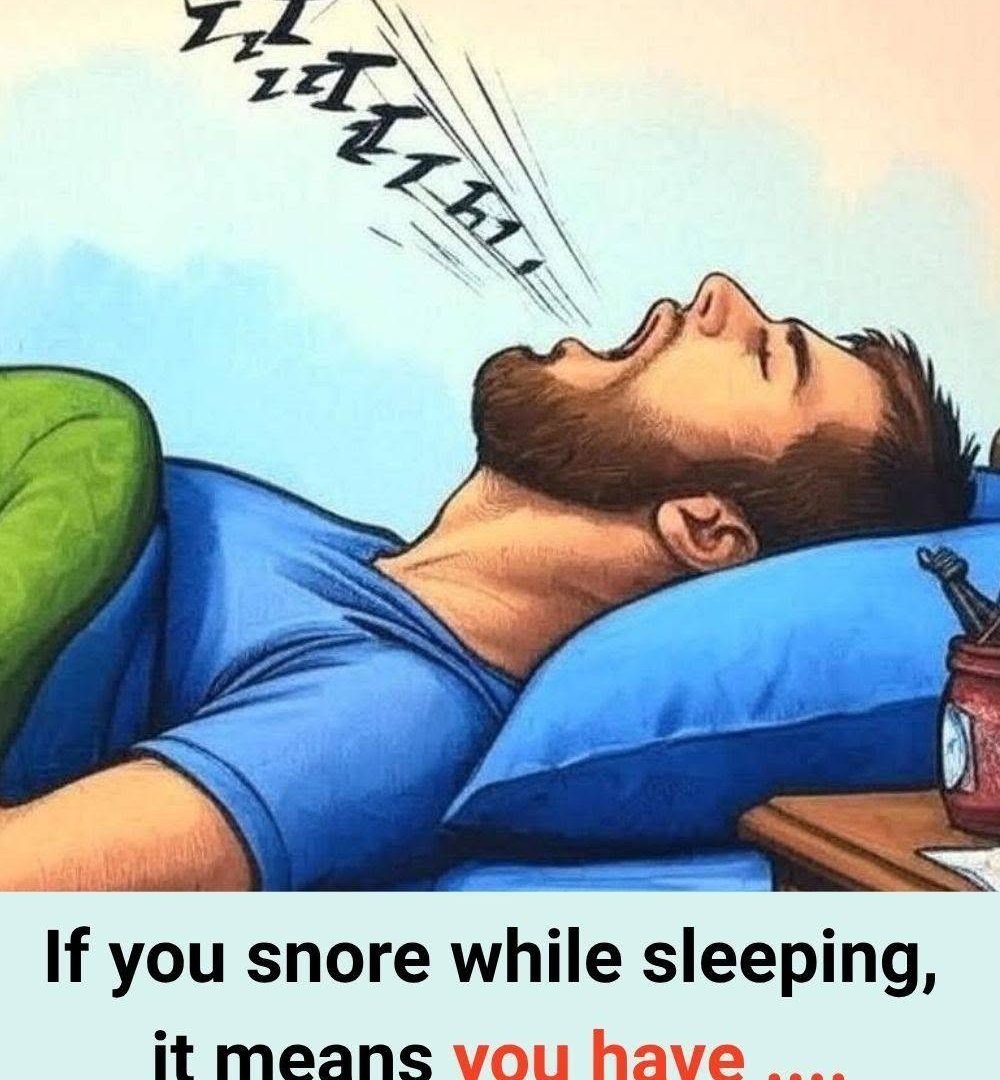
These Are the Possible Consequences of Sleeping With Your Mouth Open
Have you ever woken up with a completely dry mouth, cracked lips, an unpleasant taste, or a strange coating on your tongue? If it happens regularly, one possible explanation is that you are sleeping with your mouth open.
Mouth breathing during sleep is common, especially when the nose is blocked because of a cold, allergies, congestion, or other nasal problems. Occasionally sleeping with your mouth open is usually not a major concern. However, if it happens night after night, it can contribute to dryness and other uncomfortable symptoms and may sometimes indicate an underlying breathing or sleep problem.
The tongue shown in the image has prominent grooves and a coating. Those appearances can have several explanations and cannot be diagnosed from a photograph alone. A tongue with grooves may simply be a fissured tongue, which is often harmless, while a coating can occur for numerous reasons.
So what can happen when you regularly sleep with your mouth open?
1. You May Wake Up With a Very Dry Mouth
One of the most obvious consequences is waking up with a dry mouth.
Saliva normally keeps the tissues inside your mouth moist. During sleep, saliva production naturally decreases. If you breathe through your mouth at the same time, air continuously passes over the tongue, gums, cheeks, and lips.
After several hours, this can leave your mouth feeling extremely dry.
You may wake up needing to drink water immediately, or feel as though your tongue is sticking to the roof of your mouth.
If this happens occasionally, it may simply be related to temporary congestion. But waking up with significant dryness every morning can be a reason to investigate the cause.
2. Your Tongue May Look Coated
A dry mouth can make buildup on the tongue more noticeable.
The tongue naturally has tiny structures called papillae. Bacteria, food particles, dead cells, and other material can accumulate between these structures.
When there is less saliva, the mouth may not clear this material as effectively.
As a result, the tongue may appear white, yellowish, or coated.
However, a coated tongue does not automatically mean that someone sleeps with their mouth open. Many other factors can contribute, including oral hygiene, dehydration, smoking, certain foods, medications, and some oral conditions.
3. Morning Breath Can Become More Noticeable
Almost everyone can experience some degree of morning breath.
During sleep, saliva production decreases, and bacteria in the mouth continue to interact with food particles and other substances.
Mouth breathing can increase dryness, which may make morning breath more noticeable.
If bad breath disappears after drinking water, brushing, cleaning between the teeth, and eating normally, it may simply be related to overnight dryness.
However, persistent bad breath throughout the day deserves more attention because it can also be associated with gum disease, dental problems, dry mouth, certain foods, smoking, or other conditions.