The 3 Things to Avoid After Meals and 4 Bedtime Habits to Reduce Your Stroke Risk
A stroke can happen suddenly, changing a person’s life in a matter of minutes. Although no single habit can guarantee protection against a stroke, everyday choices involving food, physical activity, sleep, blood pressure, and medication can influence long-term cardiovascular health.
You may have seen claims suggesting that avoiding three activities after meals and four habits before bed can prevent strokes. While some everyday habits can affect blood pressure, blood sugar, and heart health, there is no scientifically established list of exactly seven things that everyone must avoid to prevent a stroke.
Instead, it is more helpful to understand which habits are supported by medical evidence, which popular warnings are exaggerated, and what you can do to reduce your risk.
Understanding What Causes a Stroke
A stroke occurs when blood flow to part of the brain is interrupted or when a blood vessel in the brain ruptures.
There are two main types.
Ischemic stroke: This occurs when a blood clot or another obstruction blocks an artery supplying the brain. It is the most common type of stroke.
Hemorrhagic stroke: This occurs when a blood vessel ruptures, causing bleeding in or around the brain.
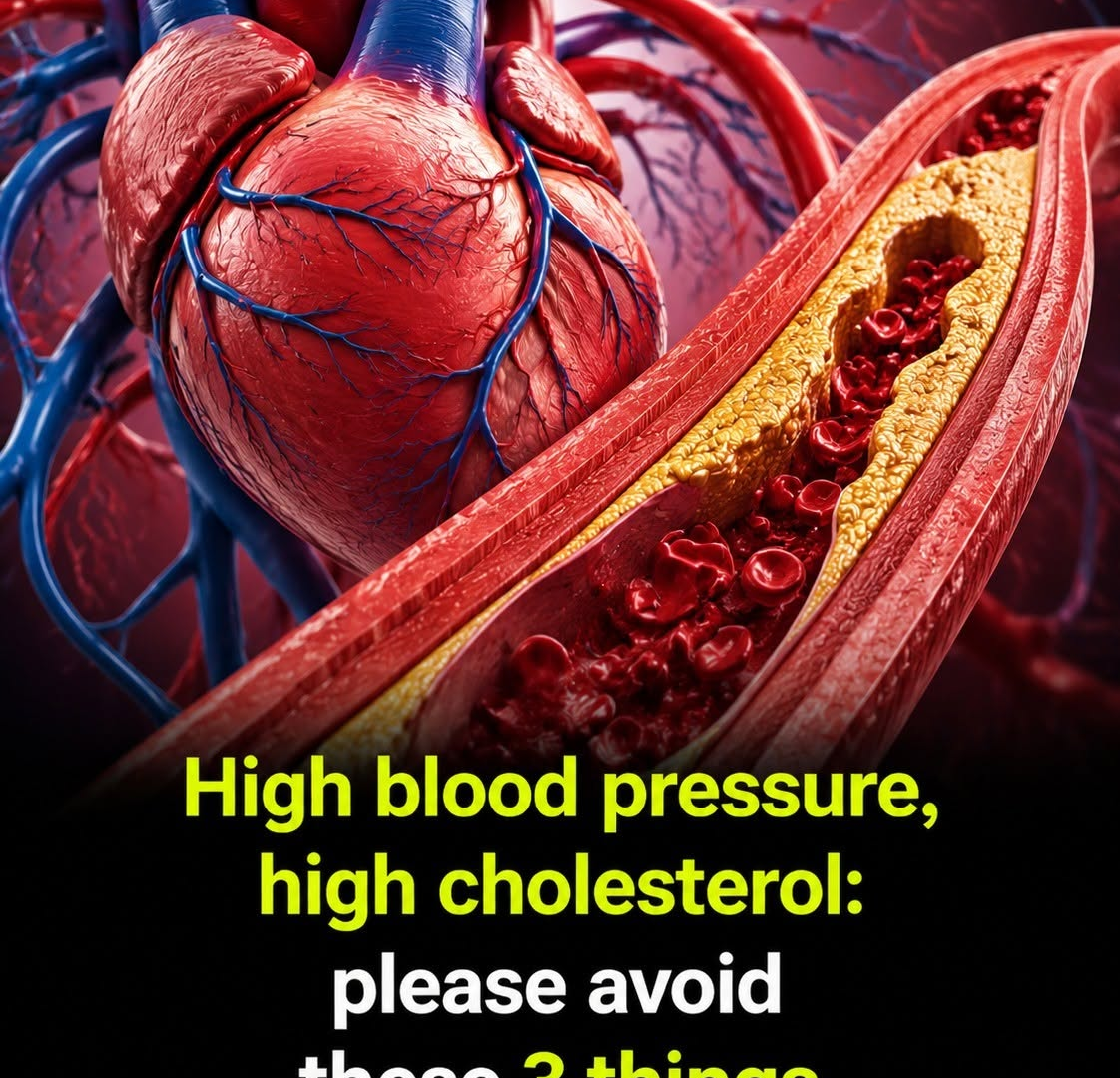
Several factors can increase stroke risk, including high blood pressure, smoking, diabetes, high cholesterol, certain heart conditions, physical inactivity, and excessive alcohol consumption.
Age and family history also influence risk, although strokes can occur in younger adults.
The good news is that managing important risk factors can substantially reduce the likelihood of a stroke.
Part 1: Three Habits to Avoid or Modify After Meals