The 3 Things to Avoid After Meals and 4 Bedtime Habits to Reduce Your Stroke Risk
Eating a large meal shortly before going to bed can worsen acid reflux and make sleep less comfortable.
For people who regularly experience heartburn, finishing meals approximately two to three hours before lying down may help reduce symptoms.
This recommendation is mainly intended to improve reflux and sleep comfort. It should not be presented as a proven way to prevent strokes directly.
The relationship between meal timing and long-term cardiovascular health is more complex than many online headlines suggest.
What Should Your Evening Meal Look Like?
A balanced evening meal might include:
Vegetables or salad.
A source of protein, such as fish, eggs, beans, or chicken.
Whole grains or another suitable source of carbohydrates.
Moderate amounts of healthy fats.
Try to avoid routinely eating very large meals that leave you uncomfortable.
If you need a snack before bed, choose a modest portion that fits your dietary needs.
People with diabetes who use insulin or medications that can cause low blood sugar may need a different approach to evening meals and snacks. They should follow their individualized treatment plan rather than automatically avoiding food before bedtime.
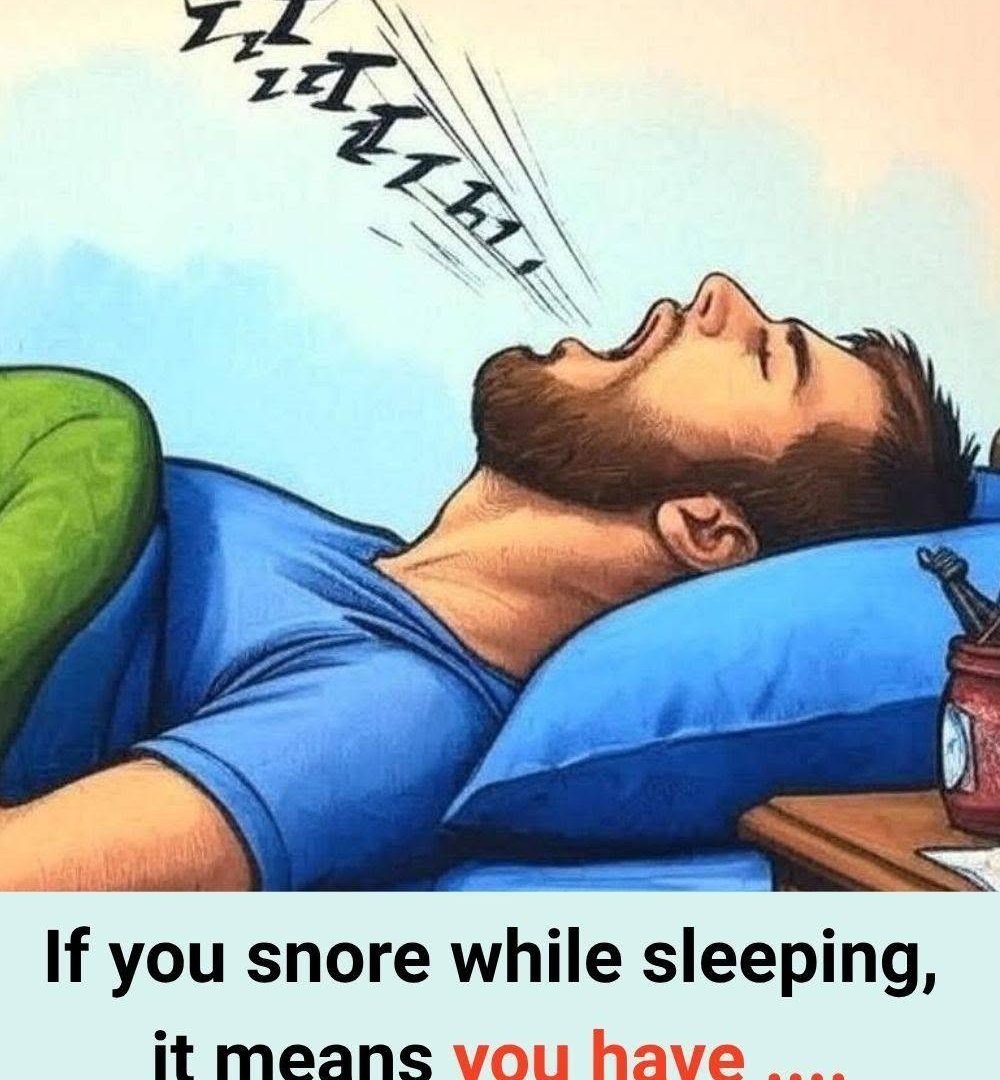
7. Do Not Sacrifice Sleep or Ignore Possible Sleep Apnea
Sleep is important for overall cardiovascular health.
Adults generally benefit from approximately seven to nine hours of sleep per night, although individual needs vary.
Regularly sleeping too little can contribute to poor blood pressure control, metabolic problems, and other conditions associated with cardiovascular risk.
Sleep apnea is another important concern.
This disorder causes repeated interruptions in breathing during sleep. It can contribute to elevated blood pressure and is associated with increased cardiovascular risk.
Signs of Possible Sleep Apnea
Watch for symptoms such as:
Loud, frequent snoring.
Pauses in breathing noticed by another person.
Waking up gasping or choking.
Morning headaches.
Excessive daytime sleepiness.
Difficulty concentrating during the day.
These symptoms do not prove that someone has sleep apnea, but they justify medical assessment.
If sleep apnea is diagnosed, treatment can improve symptoms and may help with blood pressure management.
Maintaining a regular sleep schedule, keeping the bedroom comfortable, and avoiding excessive alcohol in the evening can also support better sleep.
Other Important Habits That Help Prevent Stroke
Although the seven habits discussed above can be useful, they are only part of the picture.
The most effective stroke-prevention strategies focus on established risk factors.
Control Your Blood Pressure
High blood pressure is a leading modifiable risk factor for stroke.
Have your blood pressure checked regularly, particularly if you have a family history of hypertension or other cardiovascular risk factors.
If you need treatment, follow your prescribed plan and attend recommended appointments.
Manage Diabetes
Persistently elevated blood sugar can damage blood vessels over time.
If you have diabetes, follow your treatment plan, attend recommended checkups, and discuss your blood glucose targets with your healthcare professional.
A balanced diet, physical activity, and appropriate medication can help manage the condition.
Keep Cholesterol Under Control
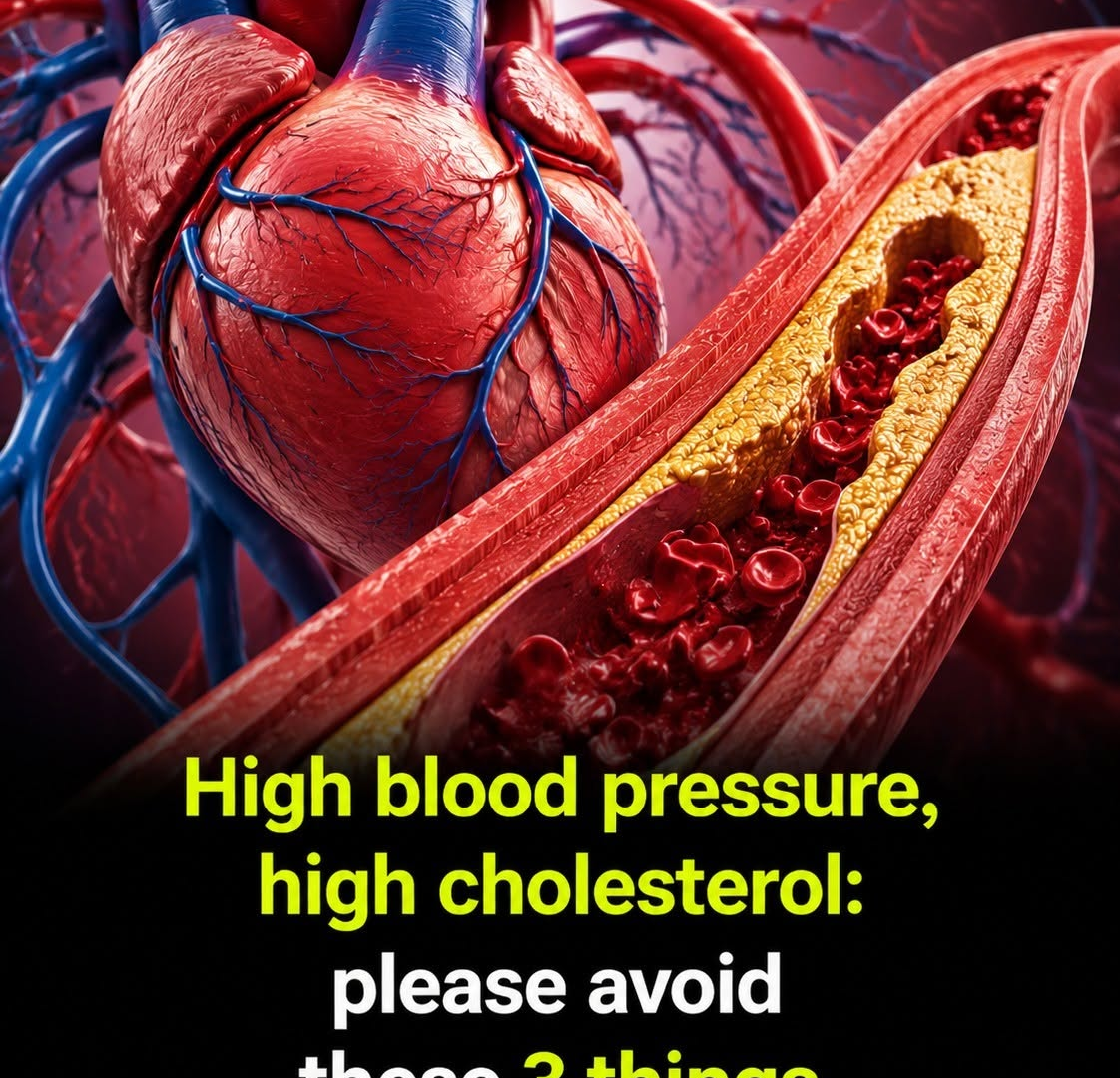
High LDL cholesterol contributes to the buildup of fatty deposits in arteries.
Depending on your cardiovascular risk, your doctor may recommend dietary changes, medication, or both.
Do not stop prescribed cholesterol-lowering medication without discussing it with your healthcare professional.
Stay Physically Active
Regular movement supports cardiovascular health.
For many adults, a useful goal is at least 150 minutes of moderate-intensity aerobic activity per week, adjusted to individual ability and medical circumstances.
Walking, cycling, swimming, and other activities can help improve fitness and manage blood pressure.
If you have been inactive for a long time, start gradually.
Follow a Heart-Healthy Eating Pattern
A dietary pattern rich in vegetables, fruits, legumes, whole grains, nuts, and suitable sources of protein can support cardiovascular health.
Limit excessive sodium, processed meats, and foods high in saturated fat.
You do not need to eliminate every favorite food. Consistency and overall dietary quality matter more than expecting a single meal to determine your health.
Take Prescribed Medication Correctly
Some people need medications to manage blood pressure, cholesterol, diabetes, or conditions such as atrial fibrillation.
These treatments can reduce the risk of serious complications when appropriately prescribed.
Take them according to your clinician’s instructions.
Do not stop anticoagulants, blood pressure medication, or other prescribed treatments because of an online warning or an unverified home remedy.
Recognizing a Stroke: The Most Important Information to Remember
Even people who follow healthy habits can experience a stroke. Recognizing the symptoms quickly can make a critical difference.
Remember FAST:
F — Face: One side of the face suddenly droops or feels numb.
A — Arms: One arm suddenly becomes weak or difficult to raise.
S — Speech: Speech suddenly becomes slurred or difficult to understand.
T — Time: Call emergency services immediately.
Other possible symptoms include sudden vision loss, severe dizziness with difficulty walking, loss of coordination, confusion, or a sudden severe headache.
Symptoms may appear without warning.
If you suspect a stroke, seek emergency medical care immediately, even if the symptoms disappear. Do not wait until morning or attempt to treat the problem with food, drinks, or extra medication.
Note the time the symptoms began, if possible.
Do not give food, drink, or medication to someone who may be having a stroke unless emergency professionals instruct you to do so.
Final Thoughts
Protecting your brain and heart does not depend on following a secret list of seven rules.
Avoiding smoking, eating balanced meals, staying active, limiting excessive alcohol, getting sufficient sleep, and managing blood pressure can all contribute to better cardiovascular health.
Walking gently after meals can be beneficial for many people, while strenuous exercise immediately after a large meal may cause discomfort.
Similarly, avoiding heavy meals before lying down may help with acid reflux, but it is not a proven stand-alone method of preventing stroke.
The most important steps are to manage established risk factors, follow prescribed treatments, and recognize emergency symptoms.
Remember: sudden facial drooping, arm weakness, or speech difficulty is a medical emergency. Call emergency services immediately rather than waiting to see whether the symptoms improve.