The Meaning of the Letter M on Your Hand: What Does It Really Mean?
The Heart Line and the M Shape
In palmistry, the heart line is traditionally associated with emotions, relationships, affection, and emotional expression.
It is generally located near the upper part of the palm and extends across the hand beneath the fingers.
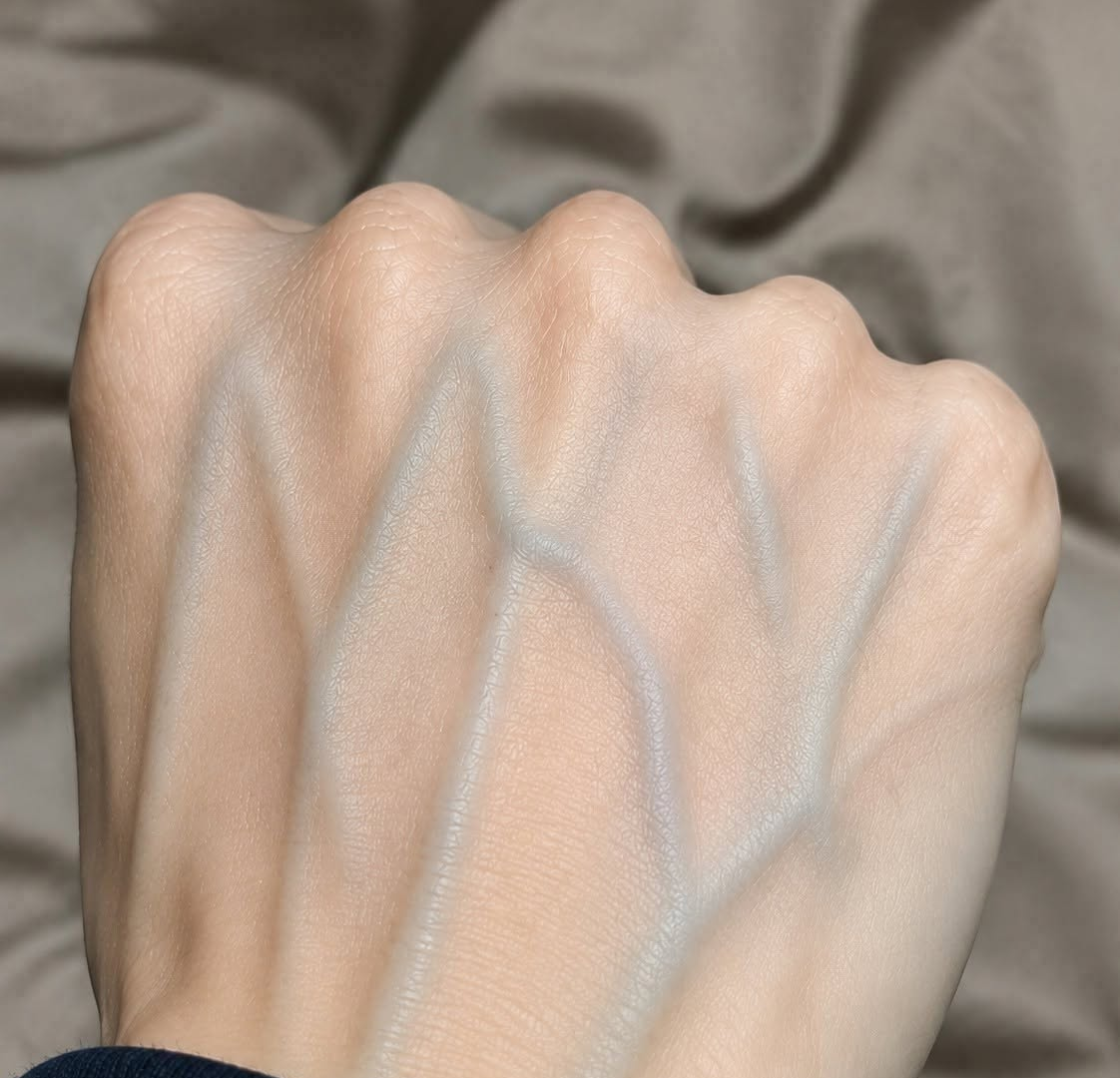
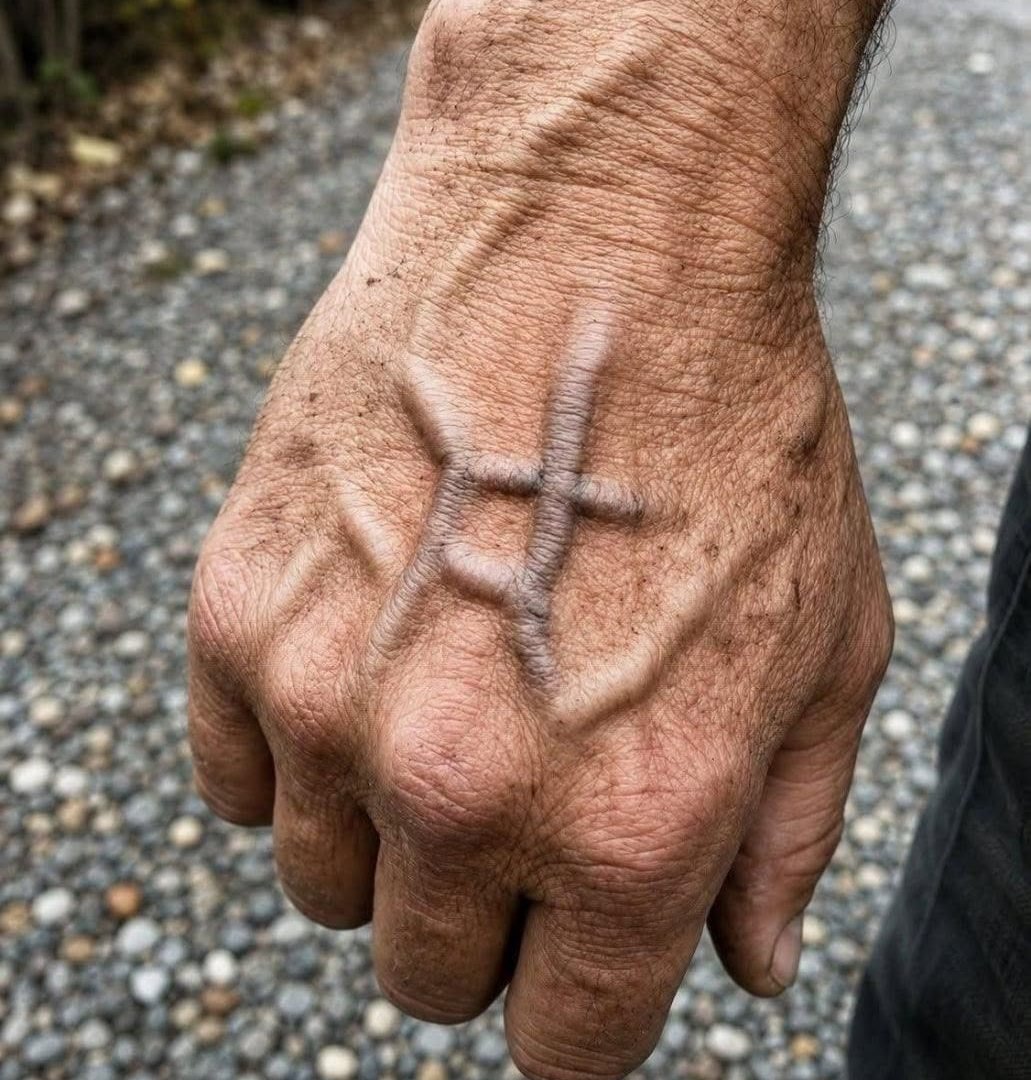
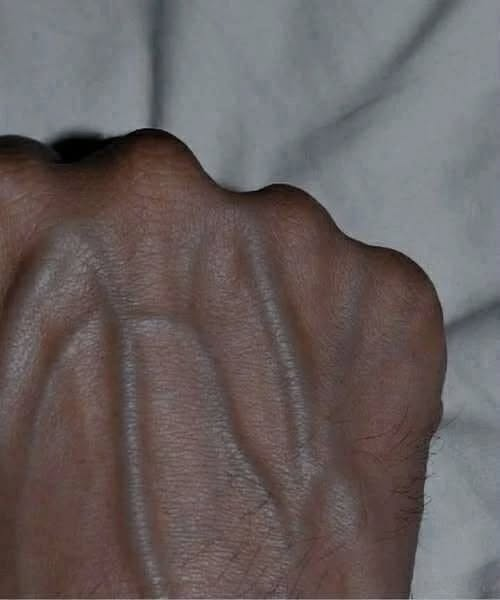
When the heart line interacts visually with other lines, it can contribute to the pattern that some people identify as an M.
Traditional palm readers may interpret a strong or clearly defined heart line as a sign of emotional intensity or strong feelings.
Again, this is part of palmistry rather than medical science.
The actual lines on your palm are formed by natural folds and creases in the skin. Their appearance is influenced by anatomy, genetics, movement, and how the skin folds.
The Head Line and the M Shape
The head line is another major line considered in palmistry.
Traditionally, palm readers associate it with thinking, communication, reasoning, and intellectual tendencies.
When the head line forms part of an M-shaped pattern, some palmistry interpretations suggest that the person has strong analytical abilities or is capable of thinking independently.
Some traditions also associate a prominent head line with creativity and an ability to solve problems.
But there is no reliable scientific test showing that the shape of someone’s head line predicts their intelligence or reasoning ability.
A person’s cognitive abilities are much more complicated and depend on numerous biological, educational, environmental, and social factors.
The Life Line and the M Shape
The life line is one of the most recognizable lines on the palm.
It usually curves around the base of the thumb toward the wrist.
One of the most common misconceptions about palmistry is that the length of the life line predicts how long someone will live.
It does not.
The length or shape of a person’s life line cannot reliably tell you how many years they have left to live.
In traditional palmistry, however, the life line is interpreted in relation to energy, vitality, major life changes, and physical experiences.
When people discuss the letter M, the life line may form one of the visual components contributing to the overall pattern.
The Fate Line and the M
The fate line is traditionally associated with career, life direction, responsibility, and major changes.
Not everyone has a clearly visible fate line.
Some people have a strong line running upward toward the middle finger, while others have a faint, broken, or barely visible line.
In palmistry, a prominent fate line is sometimes interpreted as a sign of strong purpose or a clearly defined life direction.
When it intersects with other major lines, it may contribute to the appearance of an M.
Some traditional interpretations claim that people with this combination are more likely to succeed in business or leadership.
Again, these claims belong to palmistry rather than established science.
Does an M Mean You Are Going to Be Rich?
This is one of the most popular claims online.
You may have seen posts suggesting that people with an M on their palm are destined to become wealthy or financially successful.
There is no scientific evidence that the shape of palm lines predicts wealth.
A person’s financial future depends on many factors, including education, opportunities, economic circumstances, decisions, skills, employment, entrepreneurship, relationships, and sometimes simple luck.
Someone with an M-shaped palm may become extremely successful.
Someone without an M may also become extremely successful.
The palm pattern itself does not determine the outcome.
Nevertheless, the symbolism has remained popular because the M is often associated in palmistry with ambition, determination, and the ability to recognize opportunities.
Does the M Mean You Have Strong Intuition?
Another common interpretation is that people with an M have unusually strong intuition.
In traditional palmistry, the pattern is sometimes associated with people who can quickly sense when someone is being dishonest or when a situation is not right.
Many people enjoy this interpretation because intuition is something almost everyone experiences.
We sometimes have a strong feeling about a person or situation before we can clearly explain why.
Modern psychology, however, approaches intuition differently.
What we call intuition can sometimes result from our brain rapidly processing previous experiences, subtle environmental information, facial expressions, tone of voice, body language, and patterns that we may not consciously notice.
That does not mean a palm line creates intuition.
Rather, intuition is a complex psychological phenomenon that can have many explanations.
Does the M Mean You Are Honest?
Some palmistry traditions associate the M pattern with honesty and strong moral character.
The idea is that people with this pattern are difficult to deceive and may also dislike dishonesty in others.
This is an appealing interpretation, but there is no scientific method for determining whether someone is honest by looking at their palm.
Character develops through a person’s experiences, values, environment, relationships, and choices.
A person’s palm cannot tell us whether they are trustworthy.
The same applies to qualities such as kindness, loyalty, courage, or generosity.
Why Do Palm Lines Look Like Letters?
There is a simple anatomical explanation for why people sometimes see familiar shapes in palm lines.
The skin of your palm needs to bend repeatedly as you move your fingers and hand.
The folds and creases help the skin accommodate movement.
Over time, these lines become visible patterns.
Because everyone has somewhat different hands, the lines can intersect in countless combinations.
Sometimes those intersections happen to resemble letters or symbols.
Our brains are naturally very good at recognizing familiar patterns.
This tendency is known as pareidolia.
It is the same reason people sometimes see faces in clouds, rocks, tree bark, or random patterns.
So when someone sees an M on their palm, the pattern may genuinely resemble the letter M, but the brain is also helping interpret those lines as a familiar symbol.
Why Does the M Look Different on Different Hands?
It is normal for the lines on your two palms to look different.
The right and left hands are not identical.
The depth, direction, length, and branching of the creases can vary.
Palmistry traditions sometimes assign different meanings to the two hands.
Some traditions consider one hand more connected with inherited characteristics and the other more connected with personal development.
Different palmistry systems disagree about which hand should be emphasized.
This is another indication that palmistry is a cultural and interpretive tradition rather than a standardized scientific system.
There is no universally accepted scientific method for reading the lines of the palm.