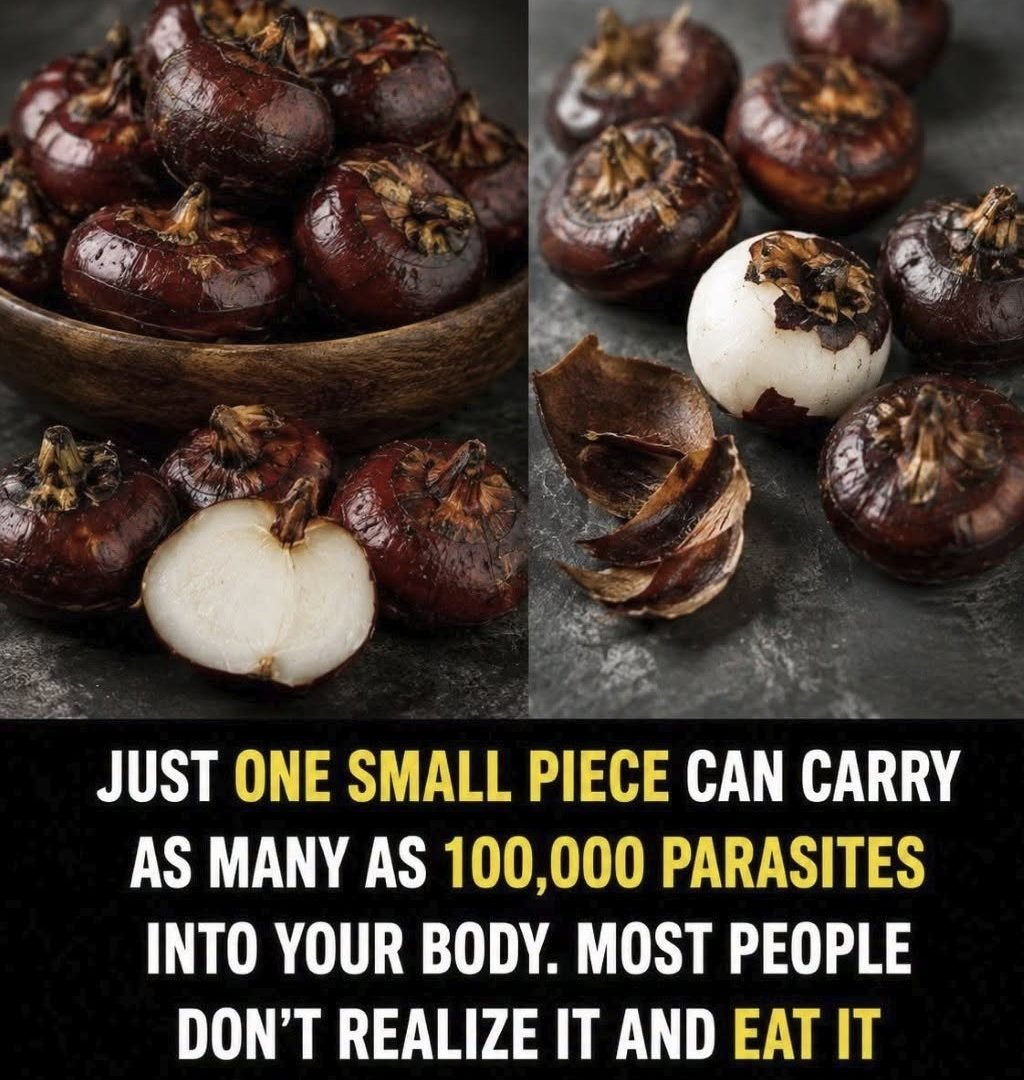
The plant mentioned in the holy books that is said to cure any disease
For centuries, people have used certain plants and seeds as traditional remedies. One of the most famous is black seed, also known as black cumin or Nigella sativa. The tiny black seeds are widely used in Middle Eastern, North African, South Asian, and Mediterranean traditions, both as a food ingredient and as a traditional remedy.
The image circulating online claims that this is “the plant mentioned in the holy books that is said to cure any disease.” The plant shown is most likely black seed (Nigella sativa), also called habbat al-barakah or habbat al-sawda in Arabic.
There is an important religious detail, however: the famous statement about black seed being a remedy for every disease comes from Islamic hadith literature, specifically Sahih al-Bukhari, rather than from the Bible. Sahih al-Bukhari records a narration from Abu Huraira in which the Prophet Muhammad ﷺ is reported to have said that there is healing in black cumin for every disease except death. (Sunnah)
Modern scientific research has also investigated Nigella sativa. Studies have reported potentially useful effects involving blood glucose, cholesterol, inflammation, and other biological markers, but researchers emphasize that the evidence varies in quality and that black seed should not be presented as a proven cure for every disease. (PubMed)
So what exactly is black seed, and what do we really know about it?
What Is Black Seed?
Black seed is the small black seed of the flowering plant Nigella sativa.
It is sometimes called:
Black seed
Black cumin
Black caraway
Nigella
Habbat al-sawda
Habbat al-barakah
Kalonji
Despite the name “black cumin,” it is botanically different from the cumin commonly used as a spice.
The seeds have a distinctive slightly bitter, peppery, and aromatic flavor.
They are commonly used in breads, pastries, curries, pickles, spice mixtures, and traditional preparations.
Black seed oil is also widely sold as a dietary supplement.
Why Is Black Seed Famous in Islamic Tradition?
The religious importance of black seed comes particularly from hadith.
Sahih al-Bukhari records a narration from Abu Huraira stating that the Prophet Muhammad ﷺ said there is healing in black cumin for diseases except as-sam, which the narration explains as death. (Sunnah)
Another narration in the same collection describes black seed being crushed and mixed with oil for use in treating an illness. (Sunnah)
This is why black seed has such a strong association with traditional Islamic medicine.
However, it is useful to distinguish religious tradition from modern clinical evidence.
The hadith is a religious source. Scientific research asks a different question: whether specific preparations of Nigella sativa produce measurable health effects in controlled studies.
Those two kinds of evidence shouldn’t simply be treated as identical.
What Makes Black Seed Interesting to Scientists?
Researchers have identified numerous chemical compounds in Nigella sativa.
One of the best-known is thymoquinone.
Thymoquinone has been studied for antioxidant, anti-inflammatory, and other biological properties.
Researchers have investigated black seed and its constituents in laboratory experiments, animal studies, and human clinical trials.
This has generated interest in its possible effects on metabolic health, inflammation, cardiovascular risk factors, and other conditions.
However, a promising biological effect does not automatically mean that a supplement can cure a disease.
That’s an important distinction when reading health claims online.
Black Seed and Blood Sugar
One area that has received considerable research attention is blood glucose.
A 2025 systematic review and meta-analysis of 16 randomized controlled trials in people with type 2 diabetes found that black seed supplementation was associated with reductions in fasting blood glucose, HbA1c, total cholesterol, and LDL cholesterol. The researchers nevertheless described black seed as something that may be useful as an adjunct, rather than establishing it as a replacement for diabetes treatment. (PubMed)
Another updated 2024 meta-analysis included 30 randomized controlled trials and reported reductions in fasting blood sugar and HbA1c, while noting substantial variation among studies and the need for additional research. (PubMed)
These findings are interesting, but they don’t mean someone with diabetes should stop prescribed medication and replace it with black seed.
Black Seed and Cholesterol
Researchers have also examined the effects of Nigella sativa on blood lipids.
A systematic review and meta-analysis of randomized placebo-controlled trials found associations between black seed supplementation and reductions in total cholesterol, LDL cholesterol, and triglycerides. The authors also emphasized the need for further research into cardiovascular outcomes.
More recent research has continued investigating these effects.
A 2025 meta-analysis covering 82 randomized controlled trials reported improvements in several cardiovascular and metabolic markers, but the interventions differed substantially in dose, duration, and formulation.
That means the research is promising but doesn’t justify claiming that black seed prevents or cures heart disease.
Black Seed and Inflammation
Inflammation is another area researchers have studied.
A 2023 systematic review and meta-analysis of 20 randomized controlled trials involving 1,086 participants found that Nigella sativa supplementation was associated with reductions in certain inflammatory and oxidative-stress markers, including C-reactive protein and TNF-alpha.
These findings help explain why scientists are interested in black seed.
But laboratory markers aren’t the same thing as proving that a supplement cures inflammatory diseases.
More research is needed to determine which conditions, doses, preparations, and patient groups might actually benefit.