The Simple Cleaning Trick That Helps Remove Black Grime From Tile Grout
Remove loose dust before it accumulates in the grout joints.
In busy households, frequent sweeping can make a significant difference, particularly in kitchens and entryways.
Mop With a Suitable Cleaner
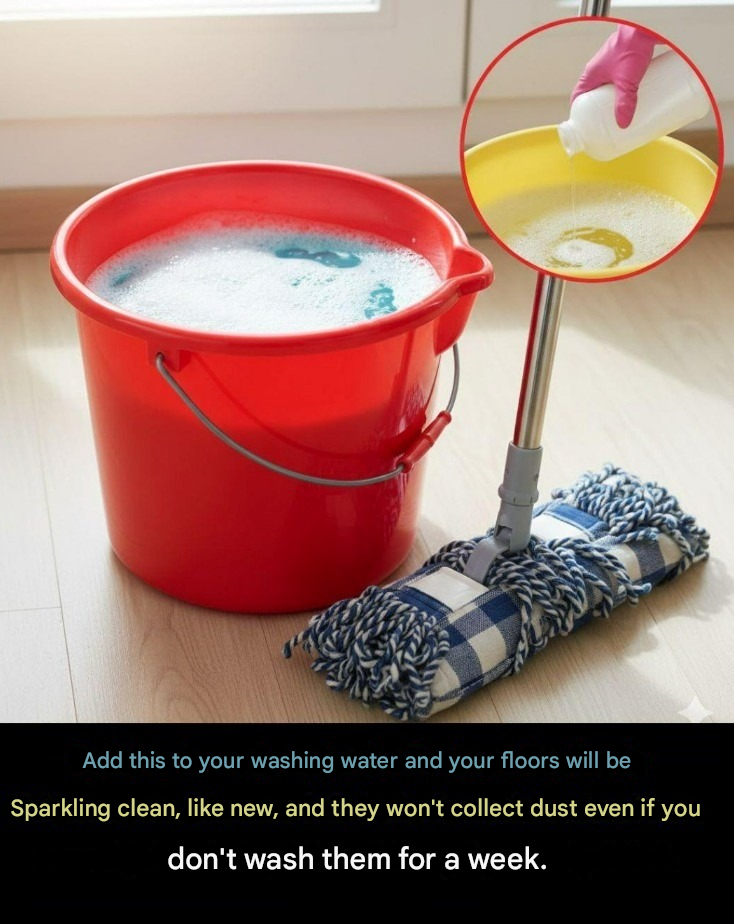
Use a floor cleaner compatible with your tile and grout.
Avoid using excessive detergent. Too much cleaning product can leave a film that attracts dirt.
Rinse according to the product instructions, especially when the floor looks cloudy or feels sticky after mopping.
Clean Spills Promptly
Food, oil, colored drinks, and other substances can stain porous grout if they remain on the surface.
Wipe up spills as soon as practical, using a suitable cleaning method.
In kitchens, pay special attention to areas near the stove, sink, refrigerator, and dining table.
Improve Bathroom Ventilation
Bathrooms often remain damp after showers.
Use an exhaust fan when available, open a window when appropriate, and wipe away standing water in areas where moisture repeatedly accumulates.
Keeping surfaces dry helps reduce conditions that encourage some types of microbial growth.
Consider Grout Sealing
Some cement-based grouts can benefit from a compatible grout sealer. Sealing may reduce absorption and make certain stains easier to remove.
However, not every grout requires the same treatment, and sealers do not make grout completely waterproof or eliminate the need for cleaning.
Before applying a sealer, confirm that the grout is suitable for sealing, clean, and completely dry. Follow the manufacturer’s instructions.
Epoxy grout and other specialized materials may have different requirements.
Address Problems Early
If a small section becomes dark, investigate it before the discoloration spreads.
A localized stain may be easier to manage than dirt that has accumulated over many months.
If discoloration repeatedly returns in the same location, check for moisture, leaking plumbing, inadequate ventilation, or another underlying cause.
Frequently Asked Questions
What Is the Easiest Way to Clean Dirty Grout?
For many ceramic and porcelain tile floors, the easiest starting point is to remove loose dirt, apply a compatible pH-neutral cleaner, gently scrub the grout with a soft brush, and rinse thoroughly.
A baking soda paste may help with certain surface stains when the materials are compatible, but it is not necessary for every cleaning task.
Can I Use Baking Soda and Vinegar Together?
Combining baking soda and vinegar causes a reaction that produces carbon dioxide bubbles. Although the fizzing may look powerful, the ingredients largely neutralize each other.
This combination is not necessarily more effective than using an appropriate cleaner on its own.
Never combine vinegar with bleach or other incompatible cleaning products.
Does Hydrogen Peroxide Clean Black Grout?
Hydrogen peroxide may help with certain stains on compatible surfaces, but its suitability depends on the grout, tile, concentration, and product formulation.
It can also affect some colored materials or finishes.
Test any proposed treatment in a hidden area and follow the product instructions. Do not mix hydrogen peroxide with other cleaning chemicals.
How Often Should Grout Be Cleaned?
The ideal frequency depends on foot traffic, the room, household habits, and how quickly dirt accumulates.
Regular sweeping and routine mopping are usually sufficient for everyday maintenance. Kitchens, entryways, and frequently used bathrooms may require more frequent attention.
A deeper cleaning can be performed when visible grime begins to accumulate.
Why Do Grout Lines Become Dirty Again So Quickly?
Rapidly recurring discoloration can result from heavy foot traffic, cleaning-product residue, cooking grease, persistent moisture, or damaged grout.
If the same areas become dark shortly after cleaning, consider whether the cleaning solution is being rinsed away properly and whether the underlying cause has been addressed.
Is Bleach the Best Solution for Black Grout?
Bleach is not the best choice for every grout problem. It may lighten some stains, but it can affect certain materials and finishes, and it does not solve the underlying cause of persistent moisture.
Never mix bleach with other cleaning products. Choose a product specifically intended for the surface and the type of discoloration.
Final Thoughts
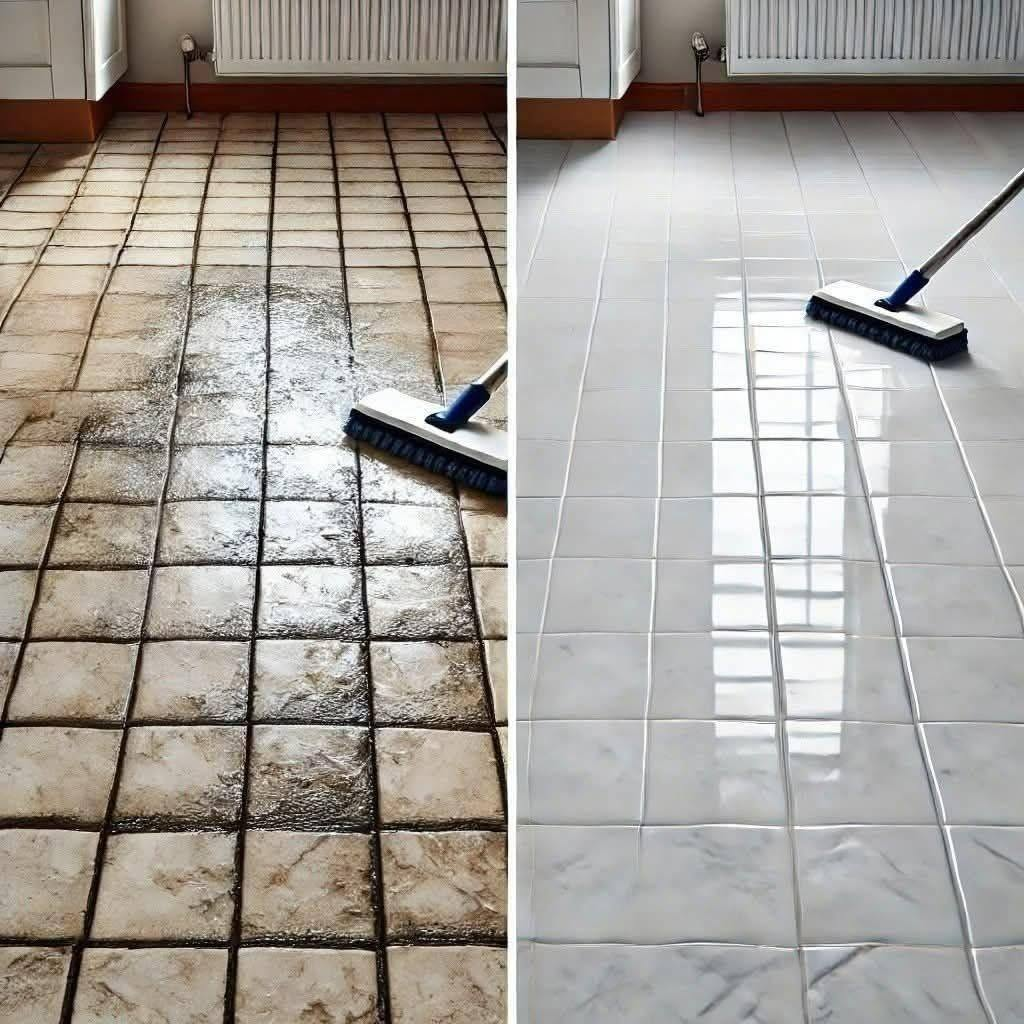
Dirty grout can make an otherwise clean tiled floor look old and neglected. Fortunately, ordinary household grime can often be reduced with a straightforward cleaning routine that uses suitable products, gentle brushing, and thorough rinsing.
The most important step is to identify the tile and grout materials before choosing a cleaning method. Warm water and a compatible floor cleaner are often enough for routine maintenance, while baking soda may help with selected surface stains on appropriate materials.
Avoid aggressive scrubbing, excessive moisture, and mixtures of household chemicals. If black discoloration persists or repeatedly returns, investigate whether the problem involves permanent staining, mold, damaged grout, or an underlying moisture issue.
With regular maintenance and the right approach, grout lines can remain cleaner and the entire tiled floor can maintain a fresher appearance without relying on harsh treatments or expensive equipment.