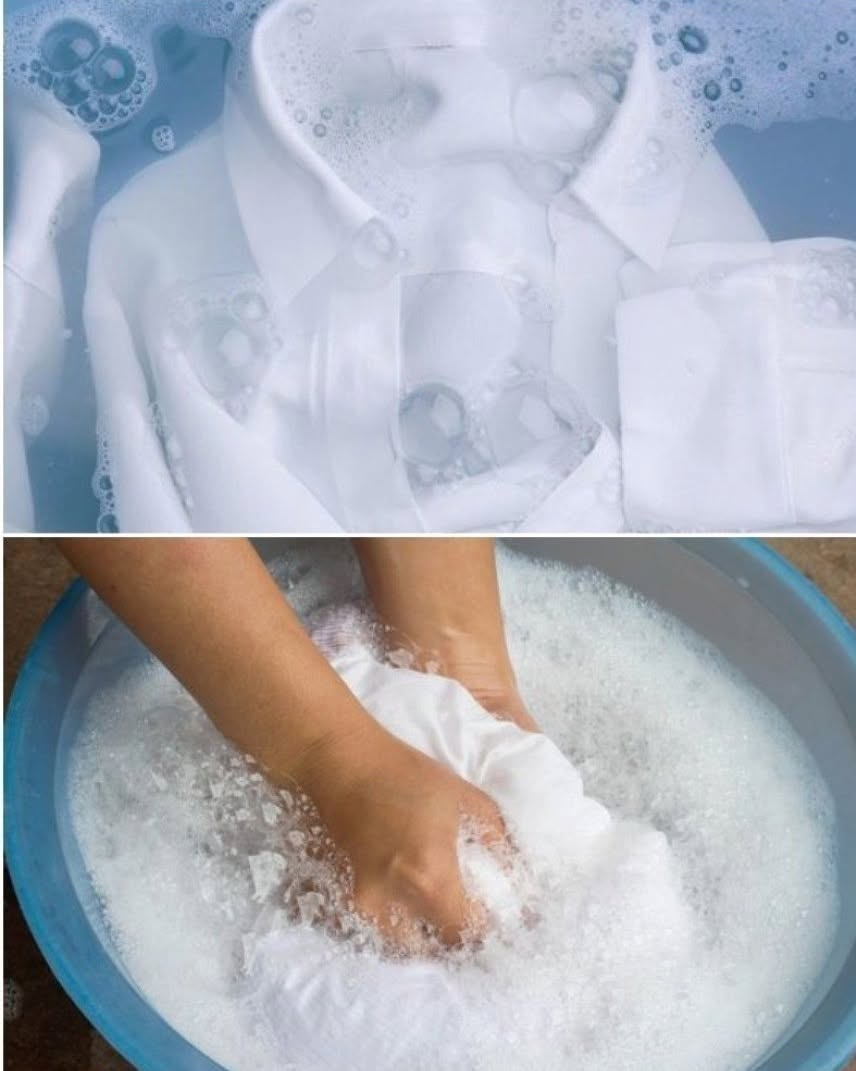
The Simple Washing Machine Trick That Helps Remove Yellow Stains and Unpleasant Odors From Bedding
Lemon juice is sometimes recommended as a natural laundry whitener.
Although its acidity and other components may affect certain stains, lemon juice is not a reliable substitute for a properly formulated laundry whitening product.
Its effectiveness varies, and it may not remove the oils responsible for many yellow marks.
Repeatedly experimenting with acidic ingredients can also create unnecessary risks for certain fabrics.
If you want to whiten suitable white cotton bedding, a laundry product specifically designed for that purpose is generally a more predictable choice.
Always follow the product instructions and fabric care label.
How to Remove Musty Smells From Bedding
Yellow stains are not the only problem that can affect sheets.
Sometimes bedding looks clean but still smells unpleasant.
This can happen when sweat, body oils, detergent residues, or moisture remain in the fabric.
The washing machine may also be contributing to the odor.
Try the following approach.
First, check the washing machine. Front-loading machines may develop residue around the door seal and detergent drawer. Other machines can also accumulate deposits and unpleasant odors.
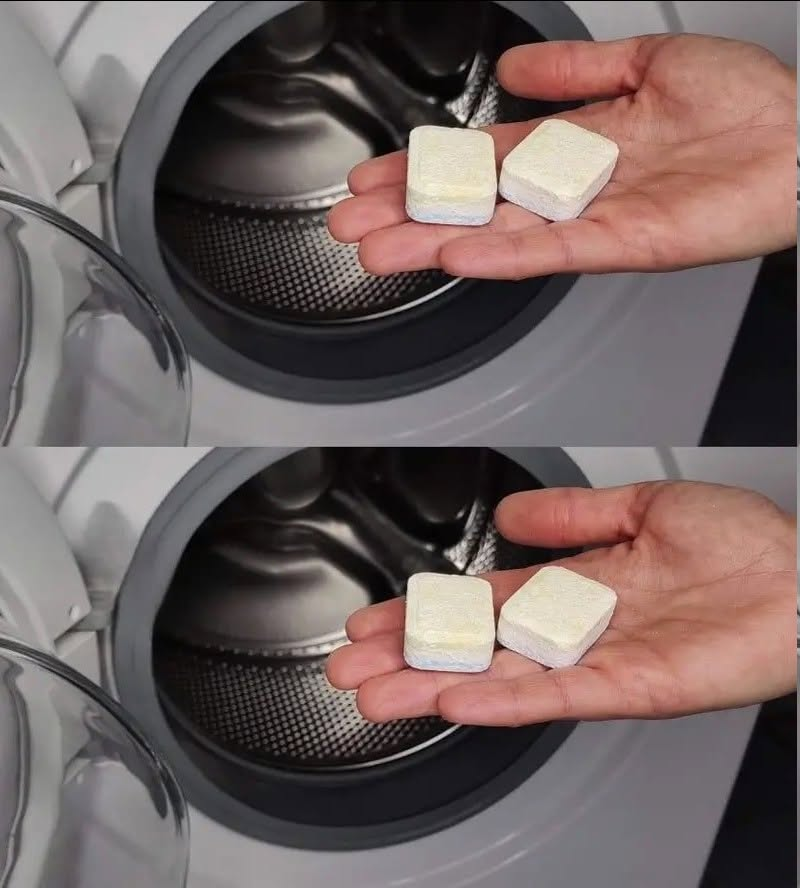
Second, clean the machine according to its manual. Use the recommended cleaning cycle and an approved washing-machine cleaner if necessary.
Third, reduce detergent buildup. Measure the detergent carefully and avoid using more than recommended.
Fourth, avoid leaving wet laundry in the drum. Remove bedding promptly after the cycle finishes.
Fifth, dry the bedding thoroughly. Moisture trapped in thick fabrics can contribute to musty odors.
If the smell persists despite these steps, check the machine’s drainage and maintenance instructions. A persistent odor may indicate a problem that ordinary washing cannot solve.
How Often Should You Wash Your Bedsheets?
For many households, washing sheets and pillowcases about once a week is a practical routine.
However, the ideal frequency can vary.
You may need to wash them more frequently if you sweat heavily, have allergies, share your bed with pets, or have been ill.
Pillowcases may require more frequent washing if hair products, skincare products, or facial oils accumulate quickly.
Blankets, comforters, and mattress protectors may have different cleaning schedules depending on how they are used and the manufacturer’s recommendations.
Regular washing helps prevent the gradual buildup of sweat, oils, and other residues.
How to Keep White Bedding Looking Fresh Longer
A few habits can help prevent yellowing before it becomes difficult to remove.
Wash Bedding Regularly
Frequent washing prevents body oils and sweat from accumulating over long periods.
Use the Right Amount of Detergent
More detergent does not automatically mean cleaner fabric.
Avoid Fabric Softener When It Causes Buildup
Some fabric softeners can leave coatings on fibers. If your bedding begins to feel coated or develops an unpleasant odor, try washing it without fabric softener and see whether the problem improves.
Keep Your Washing Machine Clean
Follow the manufacturer’s maintenance instructions and clean the detergent drawer, filters, and other accessible parts as recommended.
Dry Bedding Completely
Never store damp sheets in a cupboard or linen closet.
Address Stains Early
Fresh stains are often easier to treat than discoloration that has accumulated through repeated washing and drying.
Why Some Yellow Stains Will Not Disappear
Not every yellow stain can be completely removed.
Older stains may have become deeply embedded in the fibers, and some discoloration can result from chemical reactions, product ingredients, fabric aging, or damage caused by previous cleaning attempts.
Repeatedly applying stronger chemicals may damage the fabric without removing the stain.
If your bedding is delicate, expensive, or labeled for professional cleaning, seek appropriate cleaning advice before attempting aggressive stain removal.
The goal should be to clean the fabric effectively without shortening its useful life.
A Simple Laundry Routine to Try
If your sheets have become dull or developed an unpleasant odor, start with a straightforward routine.
Separate white bedding from colored laundry.
Check the care labels.
Pretreat visible stains with a suitable laundry product.
Use the recommended amount of detergent.
Avoid overloading the washing machine.
Select an appropriate washing temperature.
Add an extra rinse if necessary.
Remove the bedding promptly.
Dry it completely before storing it.
Clean the washing machine according to its manual.
If the bedding still has yellow stains, consider a fabric-compatible oxygen-based laundry treatment, following its instructions carefully.
You do not need to combine vinegar, baking soda, lemon juice, and other household ingredients in the same wash. More ingredients do not necessarily produce better cleaning, and some combinations can be ineffective or unsafe.
Final Thoughts
Yellow stains and unpleasant odors in bedding are common household problems, but they do not always require expensive products or complicated homemade recipes.
The most reliable approach is to understand what causes the problem and choose the right treatment.
Sweat, body oils, skincare products, detergent buildup, and inadequate drying can all contribute to discolored or unpleasant-smelling sheets.
Using a suitable detergent, pretreating stains, selecting the correct washing temperature, avoiding overloaded machines, and drying bedding completely can make a noticeable difference.
White vinegar and baking soda may have specific household uses, but neither is a magical solution that removes every stain. Their suitability also depends on the washing machine, fabric, and manufacturer’s instructions.
The real secret to fresher bedding is regular care, the correct cleaning products, and proper drying—not a mysterious mixture of ingredients.