Vinegar Is the Secret to Whiter Whites and Softer Towels: Here’s How to Use It Correctly
One of the most popular uses of white vinegar in laundry is helping towels feel less stiff.
Towels absorb water, detergent, body oils, and minerals from washing water. Over time, these substances can accumulate and affect the texture of the fabric.
Fabric softeners can also leave deposits on towel fibers. Although they make some fabrics feel smoother, repeated use may reduce the absorbency of towels.
White vinegar can help loosen certain alkaline detergent residues and mineral deposits because of its acidity.
This may help towels feel less stiff after washing.
However, vinegar does not work like a conventional fabric softener. It does not coat fibers with conditioning ingredients, and results will depend on the water quality, detergent, washing machine, and condition of the towels.
For particularly stiff towels, correcting detergent dosage and washing-machine buildup may make a bigger difference.
3. The Right Way to Add White Vinegar to Your Washing Machine
If your washing machine manufacturer permits the use of vinegar, occasional use of a small amount of plain white distilled vinegar may help with certain laundry residues.
A cautious approach is important because repeated exposure to acidic products may damage some rubber seals, hoses, and other washing-machine components.
Before trying this method, check your washing machine manufacturer’s instructions.
For a machine that permits occasional vinegar use:
Separate your white laundry from colored garments.
Add the recommended amount of regular laundry detergent.
Measure approximately 60–120 ml of white distilled vinegar.
Use the fabric-softener compartment only if the manufacturer’s instructions permit vinegar there.
Select an appropriate washing cycle for the fabric.
Allow the machine to complete the cycle.
Remove the laundry promptly and dry it properly.
Avoid pouring large quantities of vinegar directly into the machine.
Also, never use cleaning vinegar or highly concentrated vinegar for ordinary laundry.
4. How to Make Towels Feel Fresh Without Fabric Softener
If your towels have become rough, there are several simple changes that may improve their texture.
Use less detergent.
Many people use more detergent than necessary. Excess detergent can remain trapped in towel fibers, particularly when the washing machine is overloaded.
Follow the detergent manufacturer’s dosage recommendations and adjust for water hardness and laundry size.
Avoid excessive fabric softener.
Traditional fabric softeners can leave coatings on towel fibers. These coatings may reduce their ability to absorb water.
Do not overload the washing machine.
Towels need sufficient space to move around during the washing cycle. Overloading can prevent proper rinsing.
Choose an appropriate washing temperature.
Follow the care labels on your towels. Cotton towels can often tolerate warmer washing temperatures, but colored or delicate towels may require cooler settings.
Dry towels thoroughly.
Remove towels promptly after washing and dry them completely. Avoid leaving damp laundry inside the machine for extended periods.
These simple habits can help maintain towel softness and absorbency.
5. Can Vinegar Remove Bad Smells From Towels?
Have you ever taken a towel out of the washing machine only to discover that it still smells unpleasant?
This can happen when towels remain damp for too long or when detergent and fabric softener residues accumulate.
Bacteria and other microorganisms can also contribute to unpleasant odors.
Vinegar may help loosen certain residues responsible for trapped odors, but it is not a reliable disinfectant for laundry.
For better results:
Avoid leaving wet towels in the washing machine.
Wash heavily soiled towels separately.
Use the correct amount of detergent.
Ensure the washing machine drains properly.
Dry towels completely before storing them.
Clean the washing machine regularly according to its manual.
If towels continue to smell unpleasant, a suitable laundry detergent and an appropriate washing cycle may be necessary.
6. Why You Should Never Mix Vinegar and Bleach
This is one of the most important safety rules when using vinegar around the home.
Never mix white vinegar with chlorine bleach.
Vinegar is acidic, and combining it with chlorine bleach can release toxic chlorine gas.
Exposure can cause coughing, breathing difficulties, chest discomfort, and serious respiratory irritation.
You should also avoid mixing vinegar with other cleaning products unless their labels explicitly confirm that the combination is safe.
If you want to use vinegar during laundry, keep it completely separate from bleach products.
Do not assume that adding vinegar to the fabric-softener compartment makes every washing-machine cycle safe. Residual chemicals and machine design can create unexpected risks.
7. Is White Vinegar Better Than Commercial Fabric Softener?
The answer depends on what you want to achieve.
Commercial fabric softeners are designed to make fabrics feel smoother and reduce static cling.
White vinegar works differently. Its acidity can help loosen certain mineral and detergent residues, but it does not provide the same conditioning effect.
Here is a simple comparison:
White distilled vinegar:
May help loosen certain detergent residues.
May help with some mineral deposits.
Does not coat fibers like conventional fabric softener.
Is not a laundry disinfectant.
May damage washing-machine components with repeated use.
Commercial fabric softener:
Makes many fabrics feel smoother.
Helps reduce static cling.
Can leave deposits on towels.
May reduce towel absorbency.
Is not necessary for every type of laundry.
For towels, many people prefer skipping conventional fabric softener altogether to preserve absorbency.
8. Common Mistakes People Make When Using Vinegar in Laundry
Even a simple household ingredient can cause problems when used incorrectly.
Here are some common mistakes to avoid.
Using vinegar in every wash
More is not necessarily better. Repeated exposure to acidic substances may affect washing-machine components.
Using too much vinegar
Large quantities do not guarantee cleaner or softer laundry. Excessive acidity may damage certain materials.
Using vinegar instead of detergent
Vinegar cannot replace laundry detergent. It does not contain the ingredients needed to remove the full range of oils, dirt, and stains found in everyday clothing.
Expecting vinegar to bleach white clothes
Vinegar is not a whitening bleach. It may help remove certain residues, but it will not reliably reverse deep discoloration.
Mixing vinegar with bleach
This is dangerous and must always be avoided.
Ignoring the washing-machine manual
Some manufacturers specifically advise against using vinegar because of its potential effect on seals and other components.
9. Other Ways to Keep White Clothes Looking Brighter
If your goal is to maintain bright white clothing, vinegar should not be your only strategy.
A few simple laundry habits can make a noticeable difference.
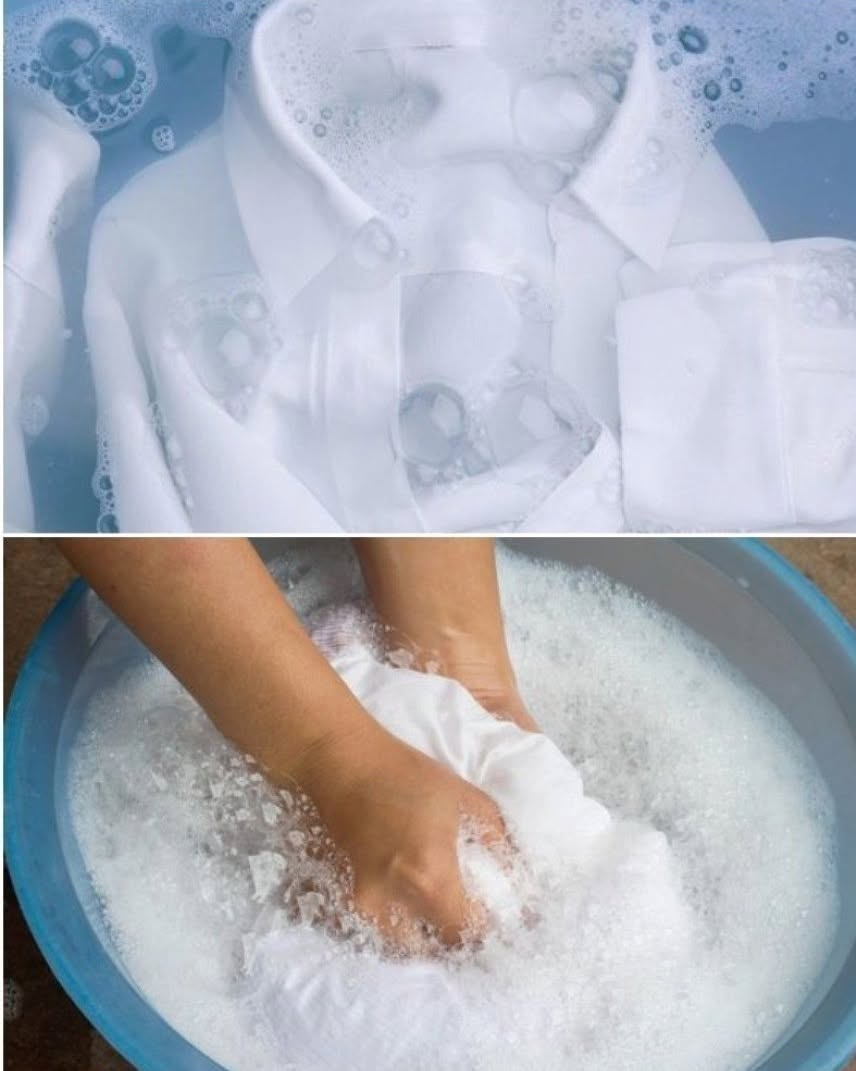
Wash whites separately.
Even lightly colored garments can release dye during washing.
Avoid overloading the machine.
Clothes need enough room for water and detergent to circulate properly.
Use the correct detergent dosage.
Too much detergent can leave residue, while too little may not clean heavily soiled clothing effectively.
Treat stains early.
Sweat, food, oils, and other stains become harder to remove when they remain in fabric for extended periods.
Use oxygen-based whitening products when appropriate.
Oxygen bleach can help brighten many washable white fabrics. Always check the garment’s care label and follow the product instructions.
Dry clothes properly.
Make sure garments are completely dry before placing them in wardrobes or drawers.
10. What Type of Vinegar Should You Use?
If you are considering vinegar for occasional household laundry use, choose plain white distilled vinegar.
It is generally clear, inexpensive, and does not contain the coloring agents found in some other varieties.
Avoid using:
Balsamic vinegar.
Red wine vinegar.
Apple cider vinegar containing color.
Flavored or seasoned vinegar.
Highly concentrated cleaning vinegar.
Colored vinegars may leave marks or introduce unwanted substances into your laundry.
Also, never assume that a product labeled cleaning vinegar is suitable for washing machines. Its acidity may be higher than ordinary household vinegar.
Final Thoughts
White vinegar is a familiar household ingredient that can have limited uses in laundry care. Its acidity may help loosen certain detergent residues and mineral deposits, potentially making some towels feel less stiff.
However, it is not a miracle solution for every laundry problem.
It cannot replace detergent, reliably bleach yellowed clothes, or disinfect laundry. Furthermore, frequent use may damage washing-machine components, so checking the manufacturer’s recommendations is essential.
The best way to maintain bright white clothes and comfortable towels is to combine appropriate detergent use, correct washing temperatures, proper rinsing, and good drying habits.
Sometimes, the biggest improvement does not come from adding another product to your washing machine. It comes from using the products you already have correctly.