10 Warning Signs of a Blood Clot in Your Leg You Should Know
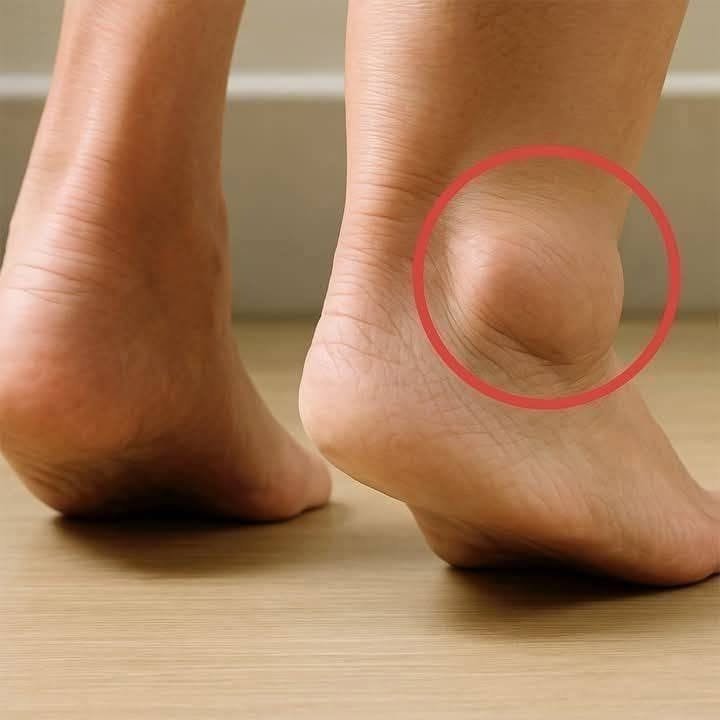
Pain is another possible symptom of DVT.
Some people experience a dull ache in the calf, while others describe soreness, cramping, tightness, or tenderness when walking or standing.
The discomfort may feel similar to the soreness that follows exercise, which can make it difficult to recognize.
However, a blood clot can develop even when you have not exercised or injured your leg.
DVT-related pain may persist or become more noticeable over time, but there is no single pattern that reliably identifies a clot.
How is clot-related pain different from ordinary muscle soreness?
There is considerable overlap.
Muscle soreness often follows unfamiliar exercise or physical exertion and may improve gradually with rest. DVT can also cause pain that feels mild or intermittent.
You cannot reliably distinguish the two conditions based on pain alone.
If calf pain is unexplained, particularly when accompanied by swelling, warmth, or discoloration, seek prompt medical assessment.
Do not wait for the pain to become severe before getting checked.
A clinician may recommend an examination and diagnostic testing to determine whether a clot is present.
3. Warmth in the Affected Leg
A leg affected by DVT may feel warmer than the surrounding area or warmer than the corresponding area on the other leg.
This can occur because the clot and associated inflammation affect the tissues surrounding the vein.
You might notice that one calf feels unusually warm when you gently touch the skin.
Warmth alone is not enough to identify a blood clot. Skin infections, inflammation, injuries, and other conditions can also increase local temperature.
Nevertheless, unexplained warmth becomes more concerning when it occurs alongside one-sided swelling, pain, or skin discoloration.
If these symptoms appear together, seek urgent medical assessment rather than attempting to diagnose the problem yourself.
Avoid relying on temperature alone to decide whether medical attention is necessary. A clot can exist without obvious warmth, and some people have very few symptoms.
4. Redness or Changes in Skin Color
A blood clot can sometimes cause the affected leg to appear red, reddish-purple, darker than usual, or otherwise discolored.
The exact appearance depends on several factors, including the person’s natural skin tone, the location of the clot, and the degree of swelling.
On lighter skin, redness may be relatively easy to see. On darker skin, changes may be more subtle or appear purple, brown, or darker than the surrounding area.
It is important to examine the overall pattern rather than relying on one visual sign.
What if the leg looks normal?
A normal-looking leg does not rule out DVT.
Some people have no visible discoloration, and others experience symptoms that are difficult to notice.
Likewise, redness does not prove that a clot is present. Cellulitis, an inflammatory skin condition, can cause redness, warmth, swelling, and pain.
A healthcare professional must evaluate the symptoms and determine whether further testing is necessary.
If the leg becomes suddenly red, hot, swollen, or painful, obtain urgent medical assessment.
5. A Feeling of Tightness or Heaviness in the Leg
Some people with DVT describe their affected leg as feeling unusually heavy, tight, or uncomfortable.
The leg may feel different during walking or standing, even if the discomfort is not severe.
Swelling can contribute to this sensation because fluid accumulation increases pressure in the surrounding tissues.
However, heaviness is a nonspecific symptom. It can also occur with varicose veins, chronic venous insufficiency, muscle fatigue, and other conditions.
The important consideration is whether the sensation is new, unexplained, and accompanied by other possible signs of a clot.
For example, a heavy leg that is also swollen, warm, and tender deserves more attention than ordinary tiredness after a long day.
Do not use the absence of severe pain as reassurance. DVT symptoms vary widely, and some clots produce only mild discomfort.
If you develop new, persistent heaviness in one leg, particularly with swelling or other warning signs, contact a healthcare professional promptly.
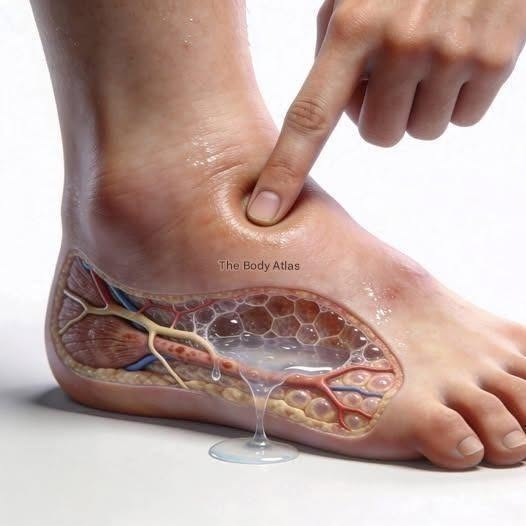
6. Swelling That Makes Shoes or Socks Feel Tight
Sometimes, the first noticeable change is not pain but the way clothing or footwear fits.
One shoe may suddenly feel tighter than the other. A sock may leave a deeper indentation around one ankle, or the lower leg may look puffier than usual.
These changes can reflect fluid accumulation associated with a problem affecting blood flow.
Although this symptom may appear minor, unexplained one-sided swelling should not be dismissed.
Swelling in both legs can occur with several conditions, including heart failure, kidney disease, venous insufficiency, or certain medication side effects. Swelling that is noticeably greater in one leg can raise concern for a local problem, including DVT.
Pay attention to changes that appear suddenly or progress over a short period.
If one leg becomes unusually swollen, especially after a long period of immobility or a recent medical procedure, seek urgent medical evaluation.
Do not assume that changing footwear, elevating your feet, or resting will address the underlying cause.
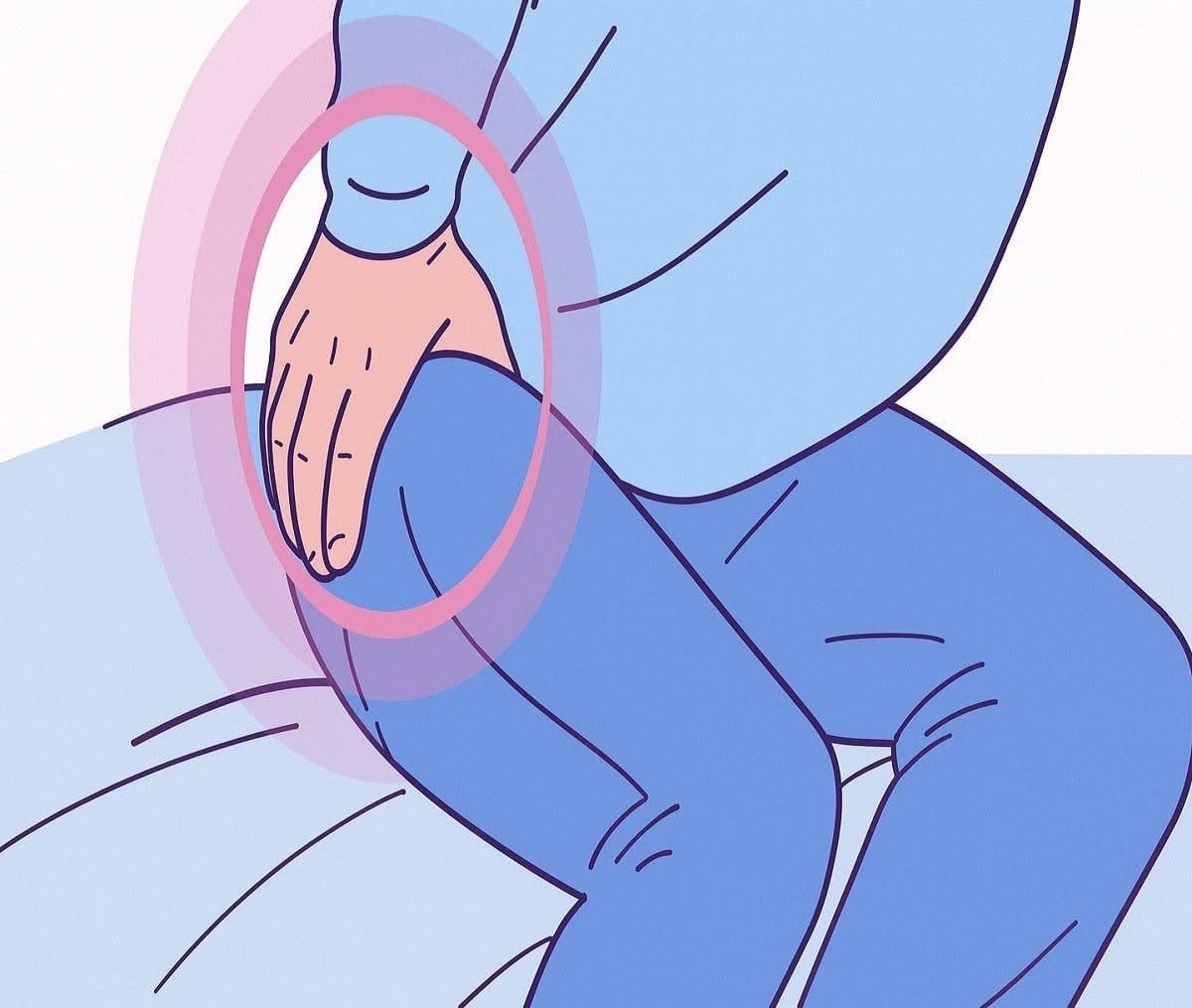
7. Pain That Becomes More Noticeable When Standing or Walking
Some people with DVT notice discomfort when standing, walking, or moving the affected leg.
The pain may feel like a persistent ache or pressure in the calf. Swelling may make movement uncomfortable.
However, this symptom is not specific to DVT. Muscle injuries, joint problems, tendon conditions, and other circulatory disorders can also cause pain during movement.
There is no reliable movement or exercise test that can determine whether a clot is present.
Avoid repeatedly testing the leg to see whether the pain changes. You should not try to diagnose a suspected blood clot by stretching, squeezing, or exercising the affected area.
If unexplained leg pain develops alongside swelling, warmth, or discoloration, seek urgent medical assessment.
If the pain is sudden and severe, or the foot becomes cold, pale, numb, or weak, seek emergency medical care because other serious circulation problems may also be possible.
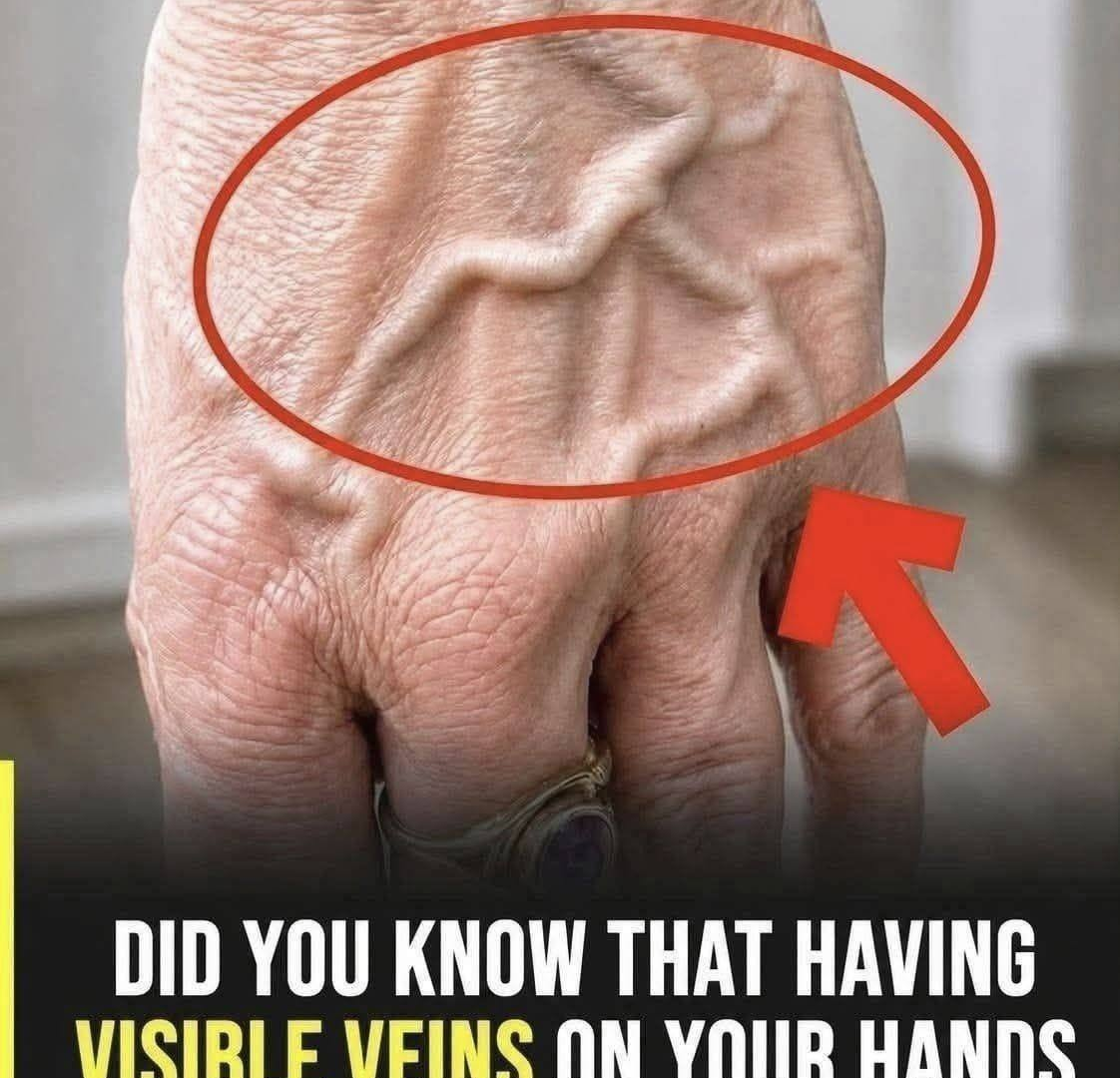
8. Visible Changes in the Surface Veins
Changes in the appearance of veins may occur with certain circulatory conditions, but they are not a reliable standalone sign of DVT.
Some people have visible varicose veins, which are enlarged superficial veins that can appear twisted or raised beneath the skin.
A superficial vein can also become inflamed or develop a clot, causing a painful, firm area beneath the skin.
Deep vein thrombosis, however, affects veins located deeper within the leg. A person can have DVT without seeing any unusual vein on the skin’s surface.
Therefore, visible veins cannot confirm or exclude a deep blood clot.
If a vein becomes newly painful, red, hard, or swollen, seek medical advice, especially if the changes are extensive or occur alongside swelling of the leg.
If you also experience shortness of breath or chest pain, seek emergency assistance.
9. Unexplained Symptoms After Surgery, Illness, or Prolonged Immobility
Sometimes, the circumstances surrounding a symptom provide important information about the possibility of DVT.
Blood flow in the legs depends partly on the movement of the leg muscles. When you remain immobile for long periods, blood can move more slowly through the veins, increasing the risk of clot formation in susceptible individuals.
Risk may increase during or after certain operations, hospital stays, serious illnesses, or injuries that limit movement.
Long journeys involving many hours of sitting can also contribute to risk, particularly when other risk factors are present.
If you develop new leg swelling, pain, warmth, or discoloration after one of these situations, do not ignore it.
Who may be at increased risk?
Risk factors include:
Recent major surgery or hospitalization.
Prolonged bed rest or limited mobility.
Previous DVT or pulmonary embolism.
Certain cancers and cancer treatments.
Pregnancy and the period after childbirth.
Estrogen-containing contraceptives or hormone therapy.
Certain inherited clotting disorders.
Increasing age.
Significant injury or trauma.
Some chronic medical conditions.
Having a risk factor does not mean that a clot will necessarily develop. However, risk factors can help a healthcare professional determine how urgently symptoms need to be investigated.
If you have previously experienced DVT or pulmonary embolism, discuss your individual prevention plan with your clinician, particularly before surgery or long-distance travel.
10. Sudden Shortness of Breath, Chest Pain, or Fainting