4 Benefits of Putting Vicks VapoRub on Your Feet Before Bed: What Really Happens?
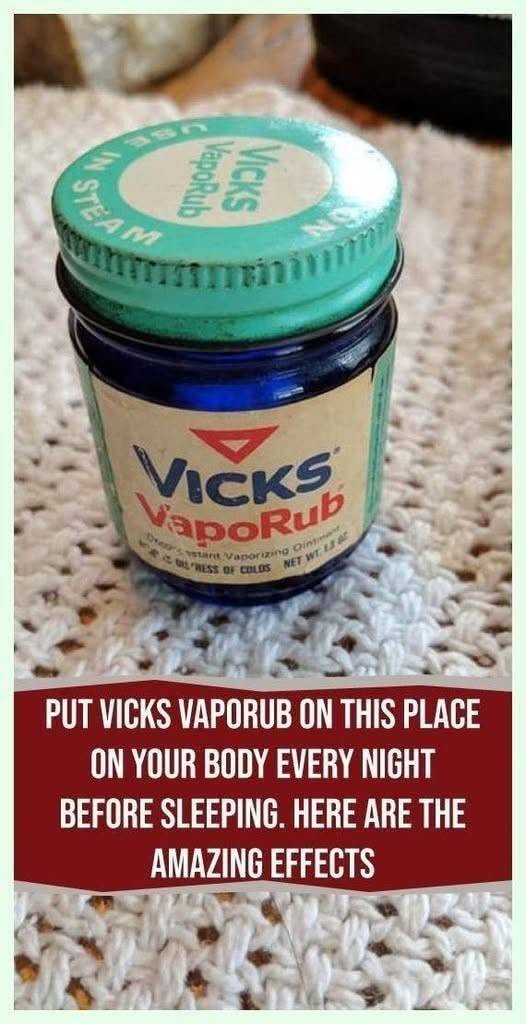
Vicks VapoRub is a familiar household product that many people keep beside their beds, especially during cold and flu season. It is commonly applied to the chest and throat to help relieve coughing associated with a cold. However, some people have developed another nighttime habit: rubbing the ointment onto the soles of their feet before going to sleep.
Stories about this practice circulate widely, with claims that it can stop nighttime coughing, improve sleep, soften dry skin, and provide other unexpected benefits. Some people even recommend putting socks on afterward to keep the ointment in place.
But which of these claims are supported by evidence, and which are simply popular home remedies?
Understanding how Vicks VapoRub works, what it can realistically do, and how to use it safely can help you decide whether this bedtime routine is worthwhile.
What Is Vicks VapoRub?
Vicks VapoRub is a topical ointment formulated to provide temporary relief from certain cold symptoms. Depending on the product formulation and country, its active ingredients may include menthol, camphor, and eucalyptus oil.
Menthol creates a cooling sensation that can make the nose feel as though airflow has improved. Camphor and aromatic ingredients contribute to the product’s characteristic smell and sensation.
When used according to the product label, VapoRub may temporarily relieve cough associated with a common cold. It is not an antibiotic, does not cure a viral infection, and does not eliminate the underlying cause of a cold.
The ointment is intended for specific external uses described on its packaging. Applying it to the feet is a popular home practice, but that does not mean every claimed benefit has been scientifically established.
The product’s exact ingredients and age restrictions can vary, so always read the label on the container you have.
Benefit 1: It May Create a Comforting Bedtime Routine
One reason people enjoy applying Vicks VapoRub to their feet before bed is the strong, familiar aroma.
For some individuals, the smell is associated with childhood, family care, or previous experiences of recovering from a cold. These associations can create a feeling of comfort and reassurance.
A relaxing bedtime routine can be helpful when preparing for sleep. Taking a warm shower, wearing comfortable socks, lowering the lights, and allowing time to unwind may help some people settle down at night.
Applying an ointment may become part of that routine.
However, it is important to distinguish between the comforting experience and a proven medical effect. There is no strong clinical evidence that applying VapoRub to the soles of the feet directly improves sleep quality.
The sensation of warmth or cooling, the smell, and the familiar ritual may feel pleasant to some people, while others may find the fragrance irritating or overwhelming.
How to make bedtime more comfortable
If you enjoy a nighttime self-care routine, consider keeping it simple:
Maintain a consistent bedtime and wake-up time.
Keep the bedroom comfortably cool and quiet.
Avoid caffeine late in the day if it affects your sleep.
Give yourself time to relax before going to bed.
Choose comfortable socks if your feet tend to feel cold.
These habits may support better sleep without relying on unproven claims about topical products.
Benefit 2: It May Help Soften Dry Feet When Used Carefully
Another possible benefit comes not from the active ingredients themselves but from the ointment’s greasy base.
Some topical ointments contain ingredients that form a protective layer over the skin. This layer can reduce moisture loss and help dry skin feel softer.
VapoRub has an ointment base, so applying a small amount to intact, dry skin may leave the area feeling smoother. However, it is not specifically designed or clinically established as a treatment for cracked heels or significant foot dryness.
For persistent dry skin, a moisturizer formulated for feet is generally a more appropriate choice.
A better approach to dry heels
If your heels are dry or rough, try the following routine:
Wash your feet gently with lukewarm water.
Pat them dry, especially between the toes.
Apply a fragrance-free moisturizer to dry areas.
For very dry heels, consider a foot cream containing urea, provided it is suitable for your skin.
Wear clean, comfortable socks if they help keep the moisturizer in place.
Avoid applying greasy ointments between the toes, where trapped moisture may encourage fungal growth.
Do not apply VapoRub or ordinary moisturizers to deep cracks, open wounds, or infected skin without appropriate medical advice.
People with diabetes, reduced sensation in their feet, or poor circulation should be especially careful with foot treatments and should seek professional advice about persistent skin problems.
Benefit 3: The Aroma May Feel Comforting During a Cold