Why Do Many Older Adults Wake Up at 3 A.M.? What It Means for Their Sleep and Health
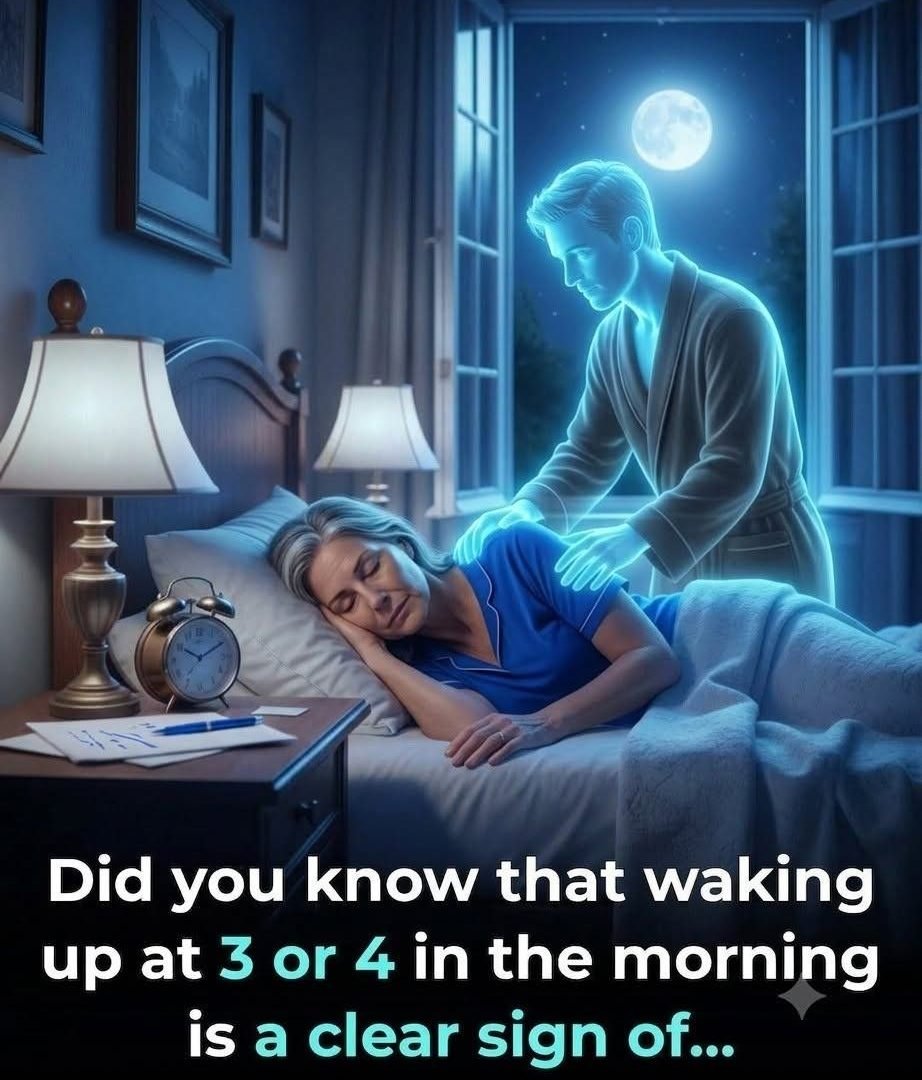
Waking up in the middle of the night can be frustrating, especially when it happens at almost exactly the same time every morning. Many older adults report opening their eyes around 2 or 3 A.M., feeling unexpectedly awake, and struggling to fall asleep again. Some lie in bed watching the clock, while others get up to use the bathroom, drink water, or walk around until they feel tired enough to return to sleep.
For some people, this pattern is simply part of the natural changes that occur with aging. For others, repeated nighttime awakenings may be related to stress, medications, pain, urinary problems, or an underlying sleep disorder.
But does waking up at 3 A.M. mean something is wrong?
Not necessarily. The time itself is not a medical warning sign, and waking at 3 A.M. does not automatically indicate a particular disease. What matters most is how often it happens, how much sleep a person gets overall, whether they can fall asleep again, and how they feel during the day.
Understanding why sleep changes with age can help older adults identify habits that may improve their rest and recognize when professional medical advice is appropriate.
1. The Body’s Internal Clock Changes With Age
One of the most important reasons older adults may wake up earlier is a change in the body’s internal clock.
This internal timing system, known as the circadian rhythm, helps regulate when we feel sleepy and when we feel alert. It influences body temperature, hormone release, digestion, and many other processes that follow a daily pattern.
When people are younger, they may naturally stay awake later into the evening and sleep later in the morning. As they grow older, their preferred sleep schedule often shifts earlier.
An older adult may begin feeling sleepy at 8:30 or 9 P.M. and naturally wake up at 4 or 5 A.M. If that person goes to bed early enough and obtains sufficient sleep, the schedule may be perfectly healthy.
Problems can arise when someone tries to maintain a later bedtime despite feeling sleepy early in the evening. They may fall asleep in front of the television, wake during the night, and then struggle to return to sleep.
For example, someone who falls asleep at 8 P.M. and wakes at 3 A.M. has already spent seven hours asleep, although the quality and continuity of that sleep still matter.
By contrast, someone who goes to bed at midnight, wakes at 3 A.M., and cannot sleep again may be getting far too little rest.
The same waking time can therefore mean very different things depending on a person’s bedtime, sleep needs, and daily routine.
The goal is not necessarily to sleep until a particular hour. It is to obtain enough restorative sleep to feel reasonably alert and function well during the day.
2. Older Adults Often Experience Lighter Sleep
Another common explanation is that sleep naturally becomes lighter and more fragmented with age.
Sleep is not a single, uninterrupted state. Throughout the night, the brain moves through different stages of non-rapid eye movement sleep and rapid eye movement sleep, commonly called REM sleep.
Deep sleep tends to decrease as people get older. As a result, older adults may spend more time in lighter stages of sleep and become more easily awakened by noise, movement, temperature changes, or physical discomfort.
A sound that a younger person sleeps through may wake an older adult.
Once awake, the older person may become more aware of their surroundings and find it harder to drift off again.
This does not necessarily mean that the person has a serious sleep disorder. Occasional awakenings are normal, and people do not need to remain asleep continuously for an entire night to obtain good-quality rest.
However, frequent awakenings that leave someone exhausted, irritable, or unable to concentrate deserve attention.
It is also important not to dismiss every sleep problem as an unavoidable consequence of aging. Medical conditions and treatable sleep disorders can contribute to the same symptoms.
3. Stress and Anxiety Can Become More Noticeable at Night