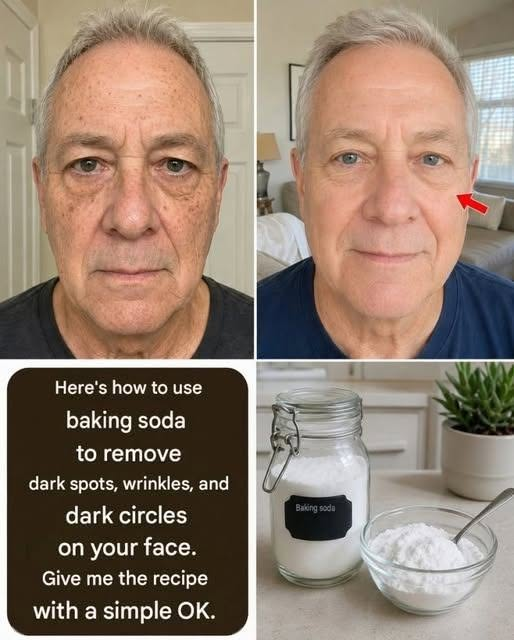
4 Ways to Erase Age Spots with Baking Soda for Younger, More Even Skin
5. Consider Vitamin C for Uneven Skin Tone
Vitamin C is another ingredient frequently used in skincare products designed to improve the appearance of uneven pigmentation.
Topical vitamin C has antioxidant properties and may help improve the appearance of discoloration over time. Products vary considerably in formulation and stability, so choosing a well-formulated product is more useful than attempting to make a concentrated homemade mixture.
Vitamin C is generally used after cleansing and before moisturizer and sunscreen, depending on the product instructions.
As with any active skincare ingredient, it is sensible to introduce it gradually and stop if significant irritation develops.
6. Retinoids May Help With Pigmentation
Retinoids are vitamin A derivatives used in many dermatological treatments. They encourage skin-cell turnover and can help improve several signs of photoaging, including uneven texture and pigmentation.
Some retinoid products are available without a prescription, while stronger preparations may require medical supervision depending on the country.
Because retinoids can cause dryness, peeling, and increased sensitivity, they should be introduced slowly.
They should also be accompanied by consistent sun protection.
Pregnant people should consult their healthcare professional before using retinoid products.
7. Professional Treatments Can Be More Effective for Persistent Spots
When pigmentation is particularly noticeable or resistant to skincare products, dermatologists have several treatment options.
Depending on the diagnosis and the person’s skin type, treatments may include:
Chemical peels
Cryotherapy
Laser or light-based treatments
Prescription creams
Other dermatologist-supervised procedures
The appropriate treatment depends on the type of pigmentation, skin tone, medical history, and whether the lesion has been correctly identified.
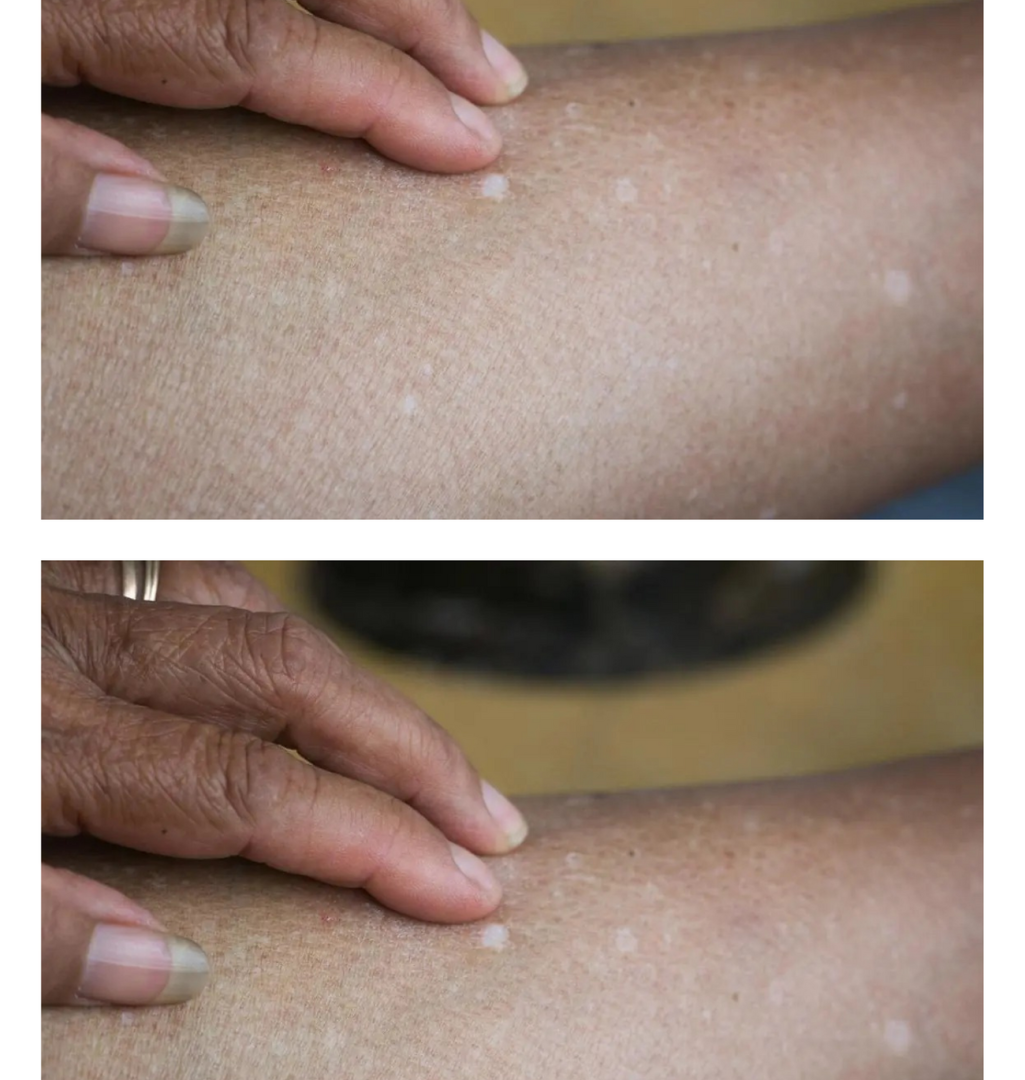
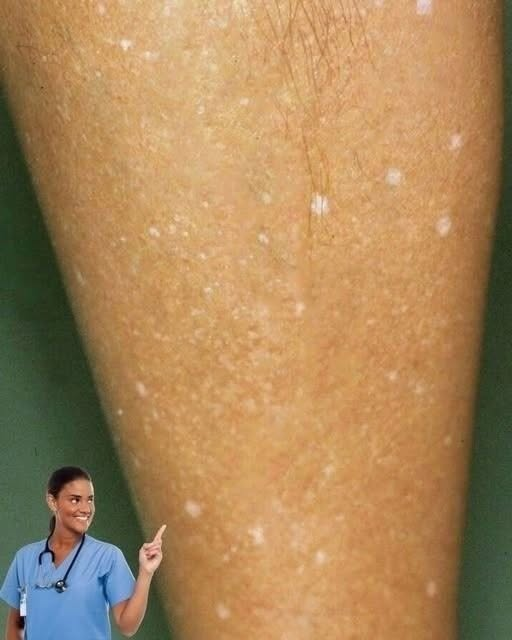
This is another reason not to assume every brown mark is simply an age spot.
What About the Four Baking Soda Recipes Often Seen Online?
Many viral skincare posts suggest combining baking soda with ingredients such as water, lemon juice, honey, toothpaste, or other household products.
These recipes may make the skin temporarily feel smoother, but that does not mean they safely remove age spots.
Baking soda and water
Mixing baking soda with water creates a paste that can be physically abrasive. Rubbing it onto the skin can cause irritation and dryness.
Baking soda and lemon juice
This combination is particularly questionable for facial skin. Lemon juice is acidic and can irritate the skin. Citrus compounds can also increase sensitivity to sunlight in certain circumstances.
The combination of irritation and sunlight can potentially worsen discoloration rather than improve it.
Baking soda and honey
Honey is sometimes used in homemade masks because it can make the skin feel softer. However, adding baking soda does not turn the mixture into a proven age-spot treatment.
Baking soda scrubs
Repeatedly scrubbing pigmentation is unlikely to remove the deeper pigment responsible for age spots. Aggressive physical exfoliation can instead damage the skin barrier and create inflammation.