10 Warning Signs of a Blood Clot in Your Leg You Should Know
A blood clot in the leg can begin quietly, sometimes producing only mild discomfort—or no noticeable symptoms at all. That’s one reason deep vein thrombosis, commonly called DVT, deserves attention.
DVT occurs when a blood clot forms in a deep vein, usually in the lower leg, thigh, or pelvis. The condition can become dangerous if part of the clot breaks away and travels to the lungs, causing a pulmonary embolism (PE). (
The viral image lists “10 warning signs,” but there is an important clarification: there are four classic physical symptoms of DVT—swelling, pain or tenderness, warmth, and redness/discoloration. Other clues can include changes in how the leg feels or the presence of risk factors that make a clot more likely. About half of people with DVT may have no symptoms at all.
Knowing what to watch for can help you recognize a situation that needs prompt medical attention.
1. Swelling in One Leg
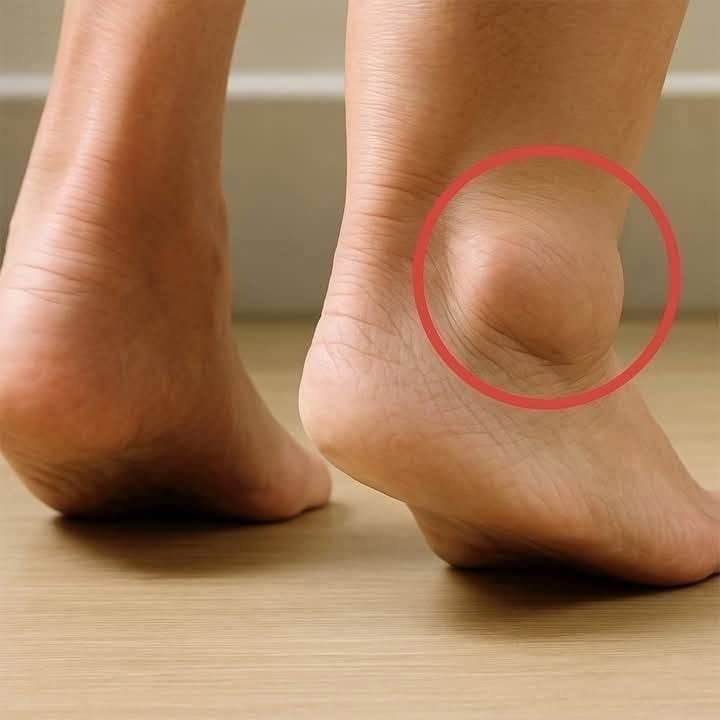
One of the most important warning signs is new swelling affecting one leg, particularly when there isn’t an obvious explanation such as an injury.
The swelling may occur in:
The calf
Ankle
Foot
Thigh
Or sometimes the entire leg
A clot can obstruct normal blood flow through a deep vein, causing fluid to accumulate in the affected limb.
The CDC lists swelling as one of the most common symptoms of DVT. (CDC)
Why one-sided swelling matters
Swelling in both legs can have many causes, including certain heart, kidney, or circulation problems.
New swelling that is noticeably greater on one side deserves particular attention, especially when accompanied by pain, warmth, or discoloration.
It doesn’t prove that a blood clot is present, but it is a reason to seek medical evaluation.
2. Unexplained Leg Pain
Another common symptom is pain in the affected leg without an obvious injury.
The discomfort may be felt in the:
Calf
Back of the knee
Thigh
Lower leg
Some people describe it as an ache, while others notice cramping, soreness, or tenderness.
The pain isn’t necessarily severe.
In fact, one reason DVT can be missed is that people may assume a mild ache is simply muscle soreness.
NHLBI lists leg pain or tenderness among the typical symptoms of DVT.
3. Tenderness When You Touch the Leg
The affected area may become unusually tender.
You might notice discomfort when:
Touching the calf
Walking
Standing
Moving the leg
However, tenderness alone doesn’t mean you have a blood clot.
Muscle injuries, tendon problems, arthritis, and other conditions can cause similar symptoms.
That’s why doctors consider the whole picture, including symptoms, medical history, and risk factors.
4. Increased Warmth
The skin over the affected area may feel warmer than the surrounding skin or the other leg.
This can occur along with swelling, pain, or redness.
The CDC and NHLBI both identify increased warmth as a possible sign of DVT. (CDC)
If one part of your calf suddenly becomes swollen, painful, and noticeably warmer than the other side, don’t simply massage it and wait several days to see whether it disappears.
Contact a healthcare professional promptly.
5. Redness or Skin Discoloration
Another possible warning sign is a change in the color of the skin.
The affected area may appear:
Red
Reddish-purple
Darker than usual
Otherwise discolored
The appearance can vary depending on the individual and skin tone.
The CDC identifies redness or discoloration as one of the four major signs of DVT. (CDC)
It’s particularly concerning when the color change occurs together with new swelling, warmth, and unexplained pain.
6. A Heavy, Aching Feeling in the Leg
Some people don’t describe their symptoms as sharp pain.
Instead, the leg may feel:
Heavy
Achy
Tight
Uncomfortable
Unusually tired
These sensations aren’t specific to DVT. Muscle fatigue and other circulation or musculoskeletal problems can feel similar.
But when a new heavy or aching sensation occurs alongside swelling, warmth, tenderness, or discoloration, it shouldn’t simply be dismissed.
The symptoms of DVT aren’t identical in everyone, and some people have few or no symptoms.