A dishwasher can save an incredible amount of time. Instead of standing at the sink washing plates, glasses, utensils, and cookware one by one, you can load everything into the machine, add detergent, select a cycle, and let it do the work.
But not everything in your kitchen belongs in a dishwasher.
Some items can become damaged by the combination of hot water, strong detergent, high temperatures, powerful spray jets, and prolonged exposure to moisture. In some cases, an item may become discolored or lose its finish. In other cases, it can become warped, cracked, or damaged enough to create a safety problem.
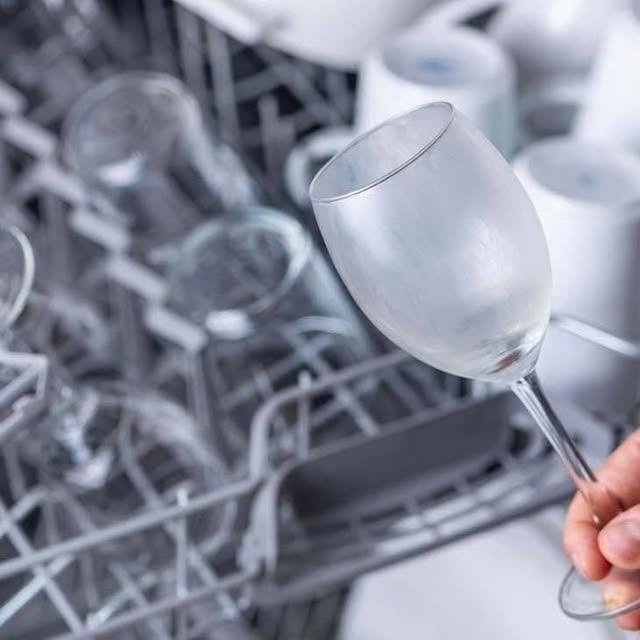
The dramatic image above shows a dishwasher filled with broken glass. Although a dishwasher does not normally “explode” simply because one wrong item was placed inside, glass can break because of manufacturing defects, existing chips or cracks, thermal shock, contact with other objects, or unsuitable glassware.
Knowing what should stay out of the dishwasher can help protect your dishes, your cookware, and the dishwasher itself.
Here are eight common categories of items that deserve special attention.
1. Wooden Cutting Boards
Wooden cutting boards are beautiful, durable, and useful, but many should not be placed in the dishwasher.
The combination of prolonged exposure to hot water and high heat can cause wood to absorb moisture and then dry out rapidly. This repeated expansion and contraction can eventually cause the board to warp, crack, split, or develop rough areas.
Wooden utensils can experience the same problem.
A wooden spoon that looks perfectly normal today may gradually become damaged after repeated dishwasher cycles.
Another concern is that wood can retain moisture for longer than smooth materials. If the item is not dried properly, moisture can remain trapped in cracks or between layers.
The safer approach is generally to wash wooden cutting boards and utensils by hand with warm water and dish soap, then allow them to dry thoroughly.
If the manufacturer specifically states that a particular wooden item is dishwasher-safe, follow those instructions. But when there is no clear guidance, hand washing is the safer choice.
2. Cast-Iron Cookware
Cast-iron pans are famous for their durability, but the dishwasher is usually not their friend.
Cast iron can develop rust when exposed repeatedly to water and harsh detergents. The detergent can also strip away some of the seasoning that gives a properly maintained cast-iron pan its relatively nonstick cooking surface and protects the metal.
Instead of putting a cast-iron skillet through a dishwasher cycle, it is generally better to clean it according to the manufacturer’s instructions.
For many traditional cast-iron pans, this means washing carefully, drying the pan completely, and maintaining its seasoning when necessary.
The important thing is not to leave cast iron wet.
Even a small amount of trapped moisture can encourage rust.
Some enameled cast-iron cookware may have different care instructions, and certain manufacturers allow dishwasher use. However, hand washing can still help preserve the appearance and finish of the cookware over time.
3. Sharp Kitchen Knives
High-quality kitchen knives generally deserve special treatment.
Putting sharp knives in the dishwasher can cause several problems.
First, the powerful water jets can cause knives to move around during the cycle. If a knife comes into contact with other utensils or the dishwasher rack, the cutting edge can become dull.
Second, prolonged exposure to hot water and detergent can affect some knife materials or handles.
Third, placing sharp objects loosely in a dishwasher can create a safety hazard when unloading the machine.
A knife that shifts position during a cycle can also damage plastic components or the dishwasher rack.
Hand washing a good kitchen knife is usually quick and simple.
Wash the blade carefully with warm water and dish soap, keeping your fingers away from the cutting edge. Dry the knife immediately rather than leaving it submerged in water.
If you do place a dishwasher-safe knife in the machine, follow the manufacturer’s instructions regarding its position and the recommended rack.