What Happens When You Eat a Banana Every Day? 10 Things Your Body May Get From This Simple Fruit
Bananas are one of the easiest fruits to add to your daily diet. They are naturally sweet, convenient, inexpensive, and require no preparation beyond peeling them. But beyond being an easy snack, bananas provide several nutrients that can contribute to a balanced diet.
A medium banana provides carbohydrates, fiber, potassium, vitamin B6, vitamin C, and other nutrients. The exact nutritional content varies with the size and ripeness of the fruit.
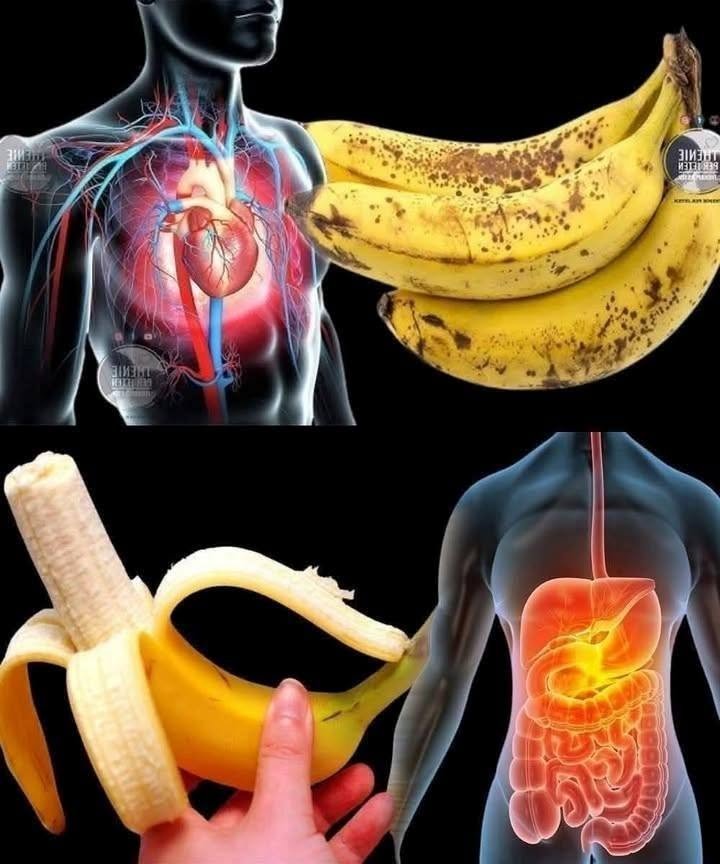
You may have seen dramatic claims online suggesting that eating bananas can “clean your stomach,” dramatically increase energy, prevent disease, or transform your health overnight. Those claims should be treated cautiously.
The real benefits are much more practical: bananas can contribute to potassium intake, digestive health, energy needs, and overall nutrient intake when included as part of a balanced diet.
Here are some of the things that can happen when bananas become a regular part of your meals.
1. You Get a Good Source of Potassium
One of the nutrients bananas are particularly known for is potassium.
Potassium is an essential mineral involved in several important functions in the body. It helps support normal muscle contraction, nerve function, and fluid balance.
Potassium also plays a role in maintaining normal blood pressure.
A banana isn’t the only way to obtain potassium. Potatoes, beans, lentils, yogurt, leafy greens, avocados, and many other foods also contain it.
Still, bananas are convenient because they require no cooking and can easily be carried as a snack.
2. Bananas Provide Carbohydrates for Energy
Bananas contain carbohydrates, which the body can use as an energy source.
This makes them particularly convenient before physical activity or as part of a breakfast.
A banana paired with another food containing protein or healthy fats can make a more filling snack.
For example, you could combine a banana with:
Plain Greek yogurt
Peanut or almond butter
Oatmeal
Cottage cheese
A small portion of nuts
This combination can provide a mixture of carbohydrates, protein, fat, and fiber.
3. They Provide Dietary Fiber
Bananas contain dietary fiber, although the amount depends on their size and ripeness.
Fiber is important for digestive health and can contribute to feelings of fullness.
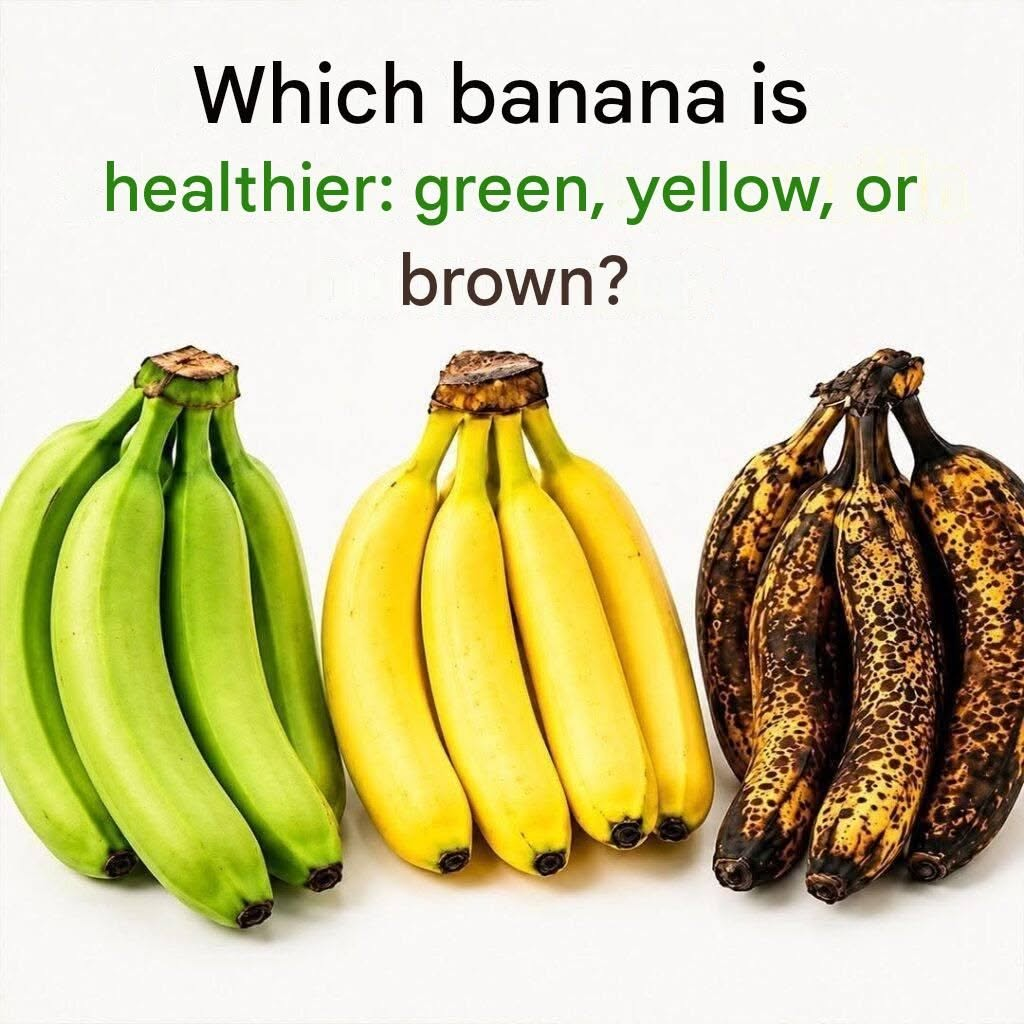
Less-ripe bananas contain more resistant starch than very ripe bananas. Resistant starch behaves differently from rapidly digested carbohydrates and can be fermented by bacteria in the large intestine.
As bananas ripen, some of that starch changes into simpler sugars, which is why ripe bananas become softer and sweeter.
This means the banana you eat today isn’t nutritionally identical in carbohydrate composition to a green banana.
4. Bananas Can Support Regular Digestion
Because bananas contain fiber, they can be part of a diet that supports normal bowel function.
However, everyone’s digestive system responds differently.
Some people find bananas helpful when their stomach feels unsettled, while others may notice that bananas don’t agree with them.
It’s also important to remember that one food cannot “detox” your digestive system.
Your liver, kidneys, digestive tract, and other organs already perform the body’s normal processes for handling and eliminating waste.
Rather than thinking of bananas as a cleanse, think of them as a nutritious fruit that contributes fiber and other nutrients.
5. They Contain Vitamin B6
Bananas are a useful source of vitamin B6.
Vitamin B6 is involved in numerous processes in the body, including amino-acid metabolism and normal nervous-system function.
It also contributes to the production and use of energy from food.
Eating a banana doesn’t provide all the vitamin B6 you need, but it can contribute to your overall intake.
Other foods containing vitamin B6 include poultry, fish, potatoes, chickpeas, and fortified cereals.
6. They Provide Vitamin C
Bananas aren’t usually considered one of the richest sources of vitamin C, but they do contain some.
Vitamin C functions as an antioxidant and contributes to normal immune function, collagen formation, and wound healing.
For a higher vitamin C intake, fruits such as oranges, kiwi, strawberries, and guava are particularly useful.
A varied diet is therefore more important than relying on bananas for any single vitamin.
7. Bananas Can Be an Easy Breakfast Ingredient
If you’re someone who regularly skips breakfast because you don’t have time to prepare anything complicated, bananas can make breakfast easier.
You can slice one over oatmeal, blend it into a smoothie, or combine it with yogurt and nuts.