How to Relieve Constipation and Support Healthy Bowel Movements Naturally
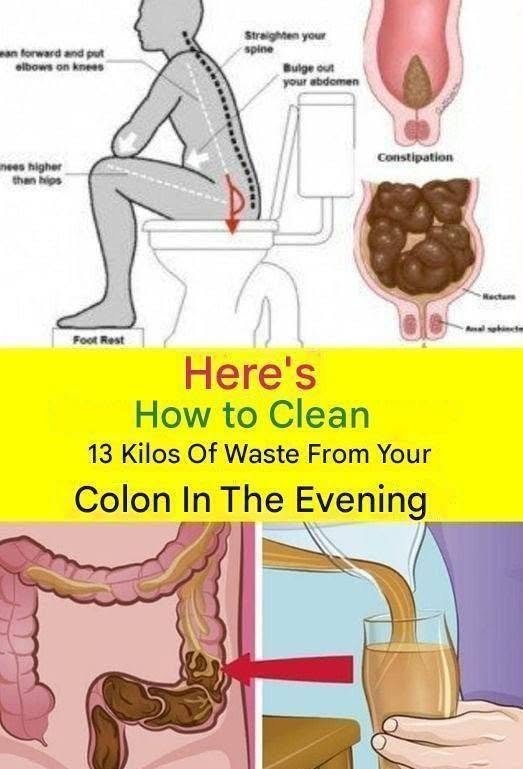
The idea of “cleaning 15 kilograms of waste from your colon in one night” sounds dramatic, but it is not an accurate description of how the digestive system works. The colon does not normally store a huge amount of waste that can simply be flushed out overnight with a special drink or home remedy.
However, constipation is real and can make a person feel uncomfortable, heavy, bloated, or as though they have not completely emptied their bowels. Fortunately, there are several safe and practical ways to support regular bowel movements and improve digestive health.
Rather than trying to “detox” the colon in one night, it is better to understand how the digestive system works and what actually helps when bowel movements become difficult.
Your Colon Is Already Designed to Remove Waste
The digestive system continuously processes food and moves material through the gastrointestinal tract.
After nutrients are absorbed in the small intestine, the remaining material eventually reaches the large intestine, also called the colon. The colon absorbs water and electrolytes while gradually turning the remaining material into stool.
The stool is eventually stored in the rectum until a bowel movement occurs.
This process happens naturally every day. Your body does not normally require a special drink, cleanse, or detox treatment to remove waste from the colon.
The liver and kidneys also perform important roles in processing and removing substances from the body. The digestive system itself has its own normal mechanisms for moving waste out.
What Is Constipation?
Constipation generally means that bowel movements are difficult, infrequent, or associated with hard stools.
Different people have different normal bowel patterns. Some people have bowel movements several times a day, while others may normally go every other day.
The number alone does not tell the whole story.
Constipation is more likely when a person experiences symptoms such as:
Hard or dry stools
Straining during bowel movements
Feeling that the bowel has not completely emptied
A sensation of blockage
Fewer bowel movements than is normal for that person
Abdominal discomfort or bloating
Occasional constipation is common and can happen because of changes in diet, reduced physical activity, travel, dehydration, stress, or certain medications.
Persistent constipation deserves more attention because it can sometimes be related to an underlying medical problem.
Why the “15 Kilograms Overnight” Claim Is Misleading
One of the biggest misconceptions about colon cleansing is that enormous quantities of old waste are permanently stuck inside the colon.
The digestive system does not normally work that way.
Stool consists largely of water, bacteria, undigested food material, and other waste products. The amount present in the digestive tract changes continuously as food moves through the system and bowel movements occur.
A person may temporarily have more stool in the colon when constipated, but that does not mean that there are automatically many kilograms of old waste coating the intestinal walls.
Claims that a particular drink can remove 10, 15, or more kilograms of “toxic waste” overnight should therefore be treated with skepticism.
A large change on the scale after a laxative or bowel movement would primarily represent stool, water, and changes in intestinal contents—not the sudden removal of a massive layer of toxins from the colon.
The Importance of Drinking Enough Fluids
Adequate fluid intake is one of the simplest factors that can support normal bowel function.
The colon absorbs water from the material passing through it. When stool becomes excessively dry, it can become harder and more difficult to pass.
Drinking enough fluids throughout the day can help maintain normal hydration.
Water is usually the simplest choice.
There is no need to drink enormous quantities of water at once. Excessive water consumption can itself be dangerous because it can disturb the body’s electrolyte balance.
Instead, drink regularly according to your thirst and individual needs, while considering factors such as weather, activity level, and medical conditions.
People with certain heart, kidney, or other medical conditions may have individualized fluid recommendations and should follow the advice provided by their healthcare professional.