How to Relieve Constipation and Support Healthy Bowel Movements Naturally
Increase Fiber Gradually
Dietary fiber is one of the most important nutrients for maintaining healthy bowel function.
Fiber is found in foods such as:
Fruits
Vegetables
Beans
Lentils
Whole grains
Oats
Nuts
Seeds
Some types of fiber add bulk to stool, while other types help retain water and form a softer stool.
Increasing fiber can be useful for people who regularly consume too little of it.
However, suddenly consuming a very large amount of fiber can lead to bloating, gas, and abdominal discomfort.
A better approach is to increase fiber gradually and give the digestive system time to adjust.
For example, you might add more vegetables to meals, choose whole-grain foods more often, eat fruit instead of highly processed snacks, and gradually introduce beans or lentils.
Eat Fruits That Support Regularity
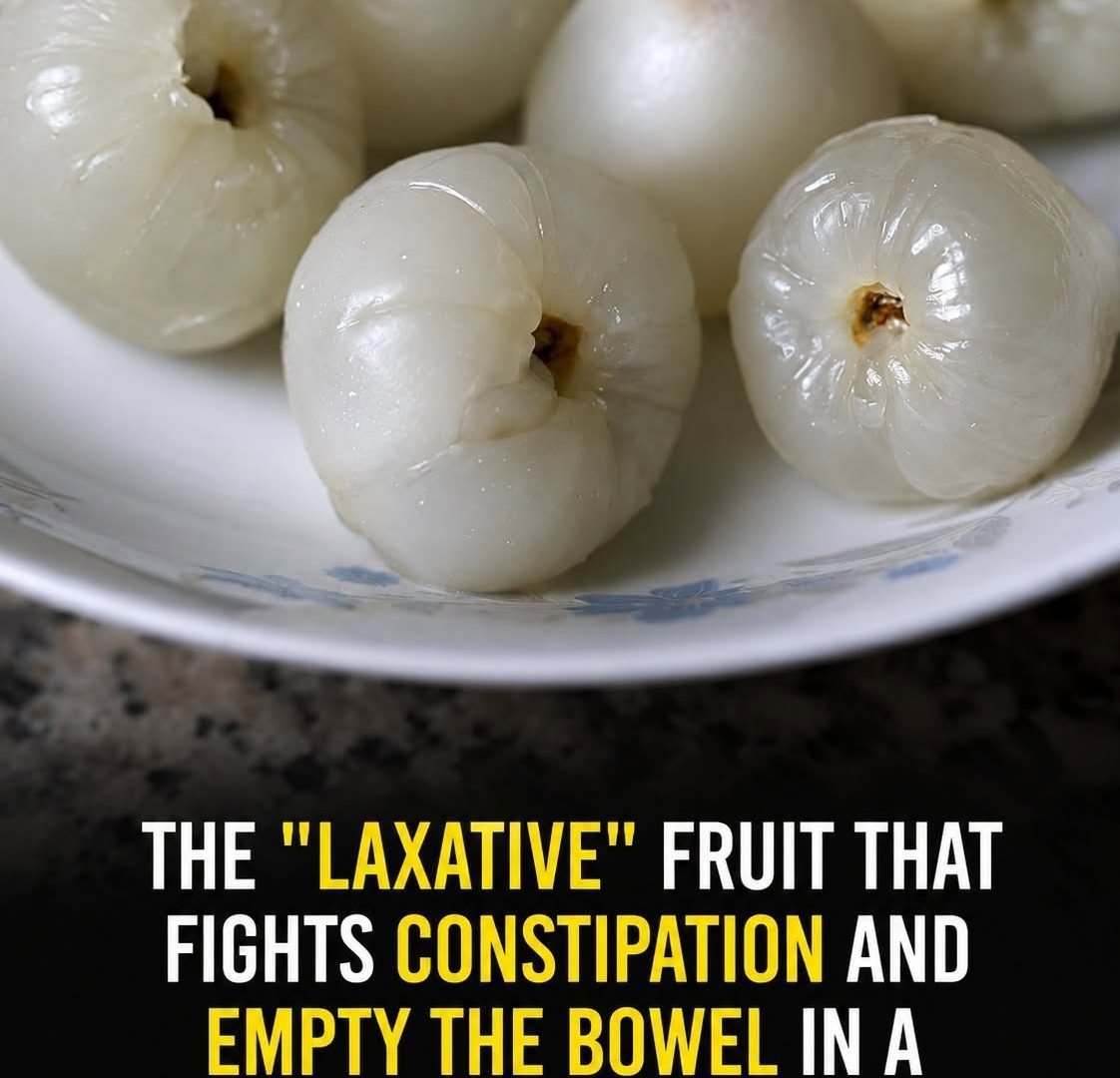
Several fruits can be useful additions to a diet designed to support normal bowel movements.
Prunes and prune juice are particularly well known because prunes contain fiber and naturally occurring compounds that can help promote bowel movements.
Other fruits, including pears, apples, kiwi, oranges, berries, and peaches, can contribute fiber and water to the diet.
Eating whole fruit is often preferable to drinking large quantities of fruit juice because whole fruit contains more fiber.
You do not need to eat a huge amount of fruit in one sitting. Regularly including different fruits throughout the week is a more sustainable approach.
Don’t Ignore the Urge to Go
Your body sends signals when stool reaches the rectum and you need to have a bowel movement.
Repeatedly ignoring that urge can make it more difficult to establish a regular bowel routine.
When you feel the need to go, try to give yourself enough time rather than continually postponing it.
A relaxed environment can make bowel movements easier.
Some people find that establishing a regular bathroom routine after breakfast or another meal works well because eating can naturally stimulate movement of the digestive tract.
Your Toilet Position Can Matter
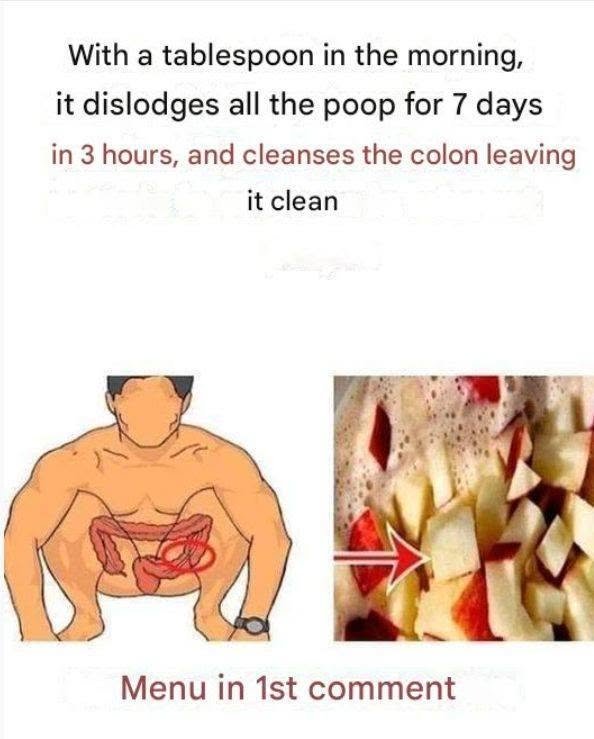
The illustration in the image shows a footrest being used while sitting on the toilet.
This position can be helpful for some people.
When the feet are placed on a small stool, the knees can be positioned somewhat higher than the hips. Leaning slightly forward and relaxing the abdominal muscles may make it easier for some people to pass stool.
The goal is not to force the body into an extreme position.
Instead, sit comfortably, keep your feet supported, lean slightly forward, and avoid excessive straining.
A good position can make bowel movements more comfortable, but it does not “clean kilograms of waste” from the colon.
Physical Activity Can Help
Movement is another important part of maintaining regular bowel function.
A sedentary lifestyle can contribute to constipation in some people.
Regular walking, gentle exercise, cycling, swimming, or other physical activities can support normal movement throughout the digestive system.
You do not necessarily need an intense workout.
Even a daily walk can be a practical way to increase physical activity.
If you currently do very little exercise, start gradually and choose an activity that you can comfortably maintain.
Be Careful With “Detox” Drinks
Many homemade remedies online claim to completely clean the colon overnight.
These may contain ingredients such as large amounts of lemon juice, herbal preparations, oils, strong laxatives, or combinations of different ingredients.
The problem is that causing rapid diarrhea is not the same as cleansing the colon.
Strong laxatives can lead to abdominal cramping, diarrhea, dehydration, and electrolyte disturbances.
Some herbal products can also interact with medications or produce stronger effects than expected.
If constipation is occasional and mild, lifestyle changes may be sufficient. If it is persistent, a healthcare professional can help determine whether a suitable treatment is needed.