How to Relieve Constipation and Support Healthy Bowel Movements Naturally
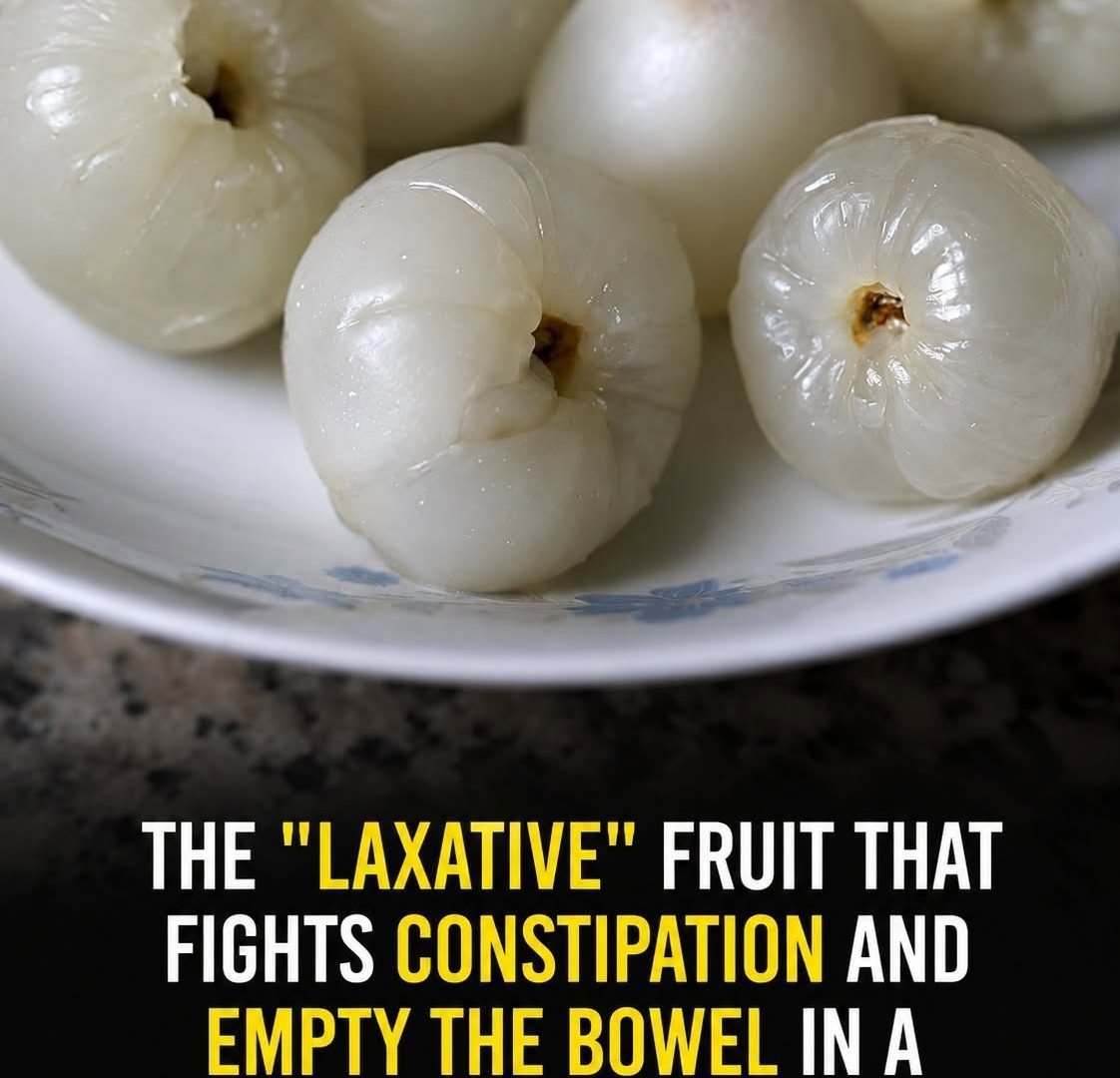
What About Laxatives?
Laxatives can be useful for certain types of constipation, but they should be used appropriately.
Different laxatives work in different ways. Some increase stool bulk, some draw water into the bowel, and others stimulate intestinal contractions.
Using a laxative does not mean that your colon was full of years of accumulated waste.
It simply changes bowel movement activity or stool consistency.
If you frequently need laxatives to have a bowel movement, it is worth discussing the problem with a healthcare professional rather than repeatedly relying on increasingly strong products.
Children, older adults, pregnant people, and individuals with chronic medical conditions may need particularly careful advice regarding laxative use.
Why Straining Too Much Is a Bad Idea
Constipation can tempt people to sit on the toilet for a long time and push forcefully.
Excessive straining can be uncomfortable and may contribute to problems such as hemorrhoids.
Instead of forcing a bowel movement, focus on making the stool easier to pass through adequate fluids, appropriate fiber, regular movement, and a comfortable toilet position.
If you cannot pass stool despite repeated attempts, particularly if you have significant pain or other symptoms, medical advice may be necessary.
Abdominal Massage: Can It Help?
Gentle abdominal massage is sometimes used by people who experience constipation.
Some individuals find that gentle circular movements across the abdomen feel relaxing and may support bowel comfort.
However, massage should be gentle rather than forceful.
It should not be used as a substitute for medical assessment when constipation is severe or accompanied by warning signs.
If abdominal pain is severe, sudden, or unexplained, avoid trying to treat it yourself with aggressive massage or cleansing remedies.
What You Eat Regularly Matters More Than One Night
A major mistake is to focus on finding a powerful one-night solution.
Your bowel habits are influenced by your overall lifestyle.
A diet that regularly contains vegetables, fruits, legumes, whole grains, nuts, and seeds is generally much more supportive of healthy digestion than an occasional “colon cleanse.”
Likewise, regular physical activity and adequate hydration are more useful long-term habits than drinking a powerful cleansing mixture once every few weeks.
Your digestive system works continuously, so supporting it consistently makes more sense than trying to empty it suddenly.
When Constipation Needs Medical Attention
Most occasional constipation is not dangerous, but certain symptoms should not be ignored.
Contact a healthcare professional if constipation is persistent, repeatedly returns, or represents a significant change from your normal bowel habits.
Medical attention is particularly important if constipation occurs with:
Severe or persistent abdominal pain
Repeated vomiting
Significant abdominal swelling
Blood in the stool
Black or tar-like stool
Unexplained weight loss
Fever
Severe weakness
Inability to pass gas
A sudden major change in bowel habits
These symptoms can have causes that require medical evaluation.
A person who has severe abdominal pain, vomiting, marked swelling, and cannot pass stool or gas may have a bowel obstruction and should seek urgent medical care.
Constipation Does Not Necessarily Mean “Toxins”
The word “toxins” is frequently used in advertisements and social media posts about colon cleanses.
But ordinary stool is not the same thing as a mysterious layer of poison.
Stool contains material the body did not digest or absorb, water, bacteria, and other substances that are normally eliminated through bowel movements.
Your body has sophisticated systems for processing and eliminating waste.
The goal of healthy digestion is therefore not to remove an imaginary layer of toxins. It is to maintain normal digestion, regular bowel movements, adequate hydration, and a nutritious diet.
A Simple Evening Routine for Better Digestion
If you often struggle with constipation, a gentle evening routine may be more useful than an aggressive cleanse.
Start with a balanced dinner containing vegetables and an appropriate source of protein and whole-food carbohydrates.
Drink fluids regularly throughout the day rather than trying to consume a huge amount immediately before bed.
If possible, take a gentle walk after your meal.
If you feel the urge to have a bowel movement, do not repeatedly postpone it.
The next morning, give yourself enough time to use the bathroom without rushing.
Over time, these simple habits can be more helpful than attempting to force a dramatic bowel movement overnight.
The Bottom Line
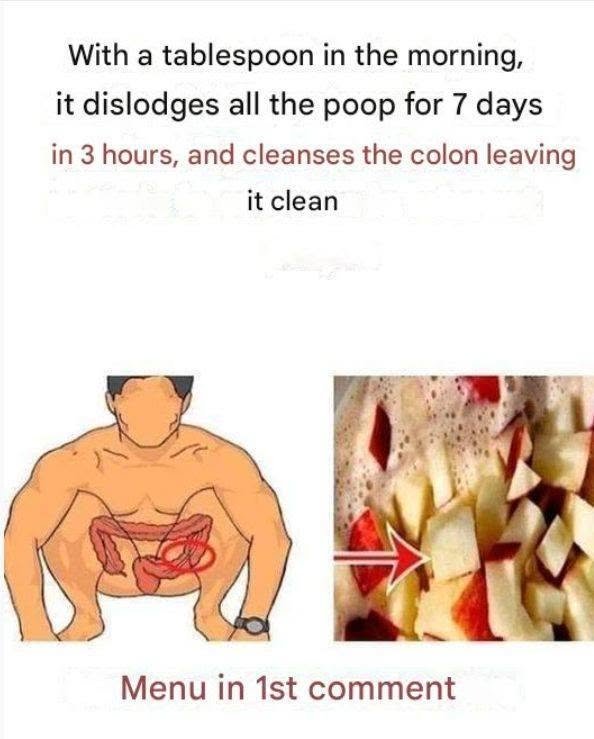
The claim that you can remove 15 kilograms of waste from your colon in one night is not a reliable description of how the digestive system works.
Your colon naturally processes and eliminates waste continuously. There is no need to perform an extreme “detox” simply because you have eaten a normal diet.
If you are constipated, focus instead on proven healthy habits: drink adequate fluids, gradually increase dietary fiber, eat fruits and vegetables, stay physically active, respond to the natural urge to have a bowel movement, and use a comfortable toilet position.
A small footrest can help some people position their knees higher than their hips, which may make bowel movements easier. But it does not cause kilograms of waste to suddenly leave the body.
Most importantly, avoid extreme cleansing methods and excessive laxative use. Rapid diarrhea is not the same as a healthy colon, and dehydration or electrolyte problems can result from aggressive attempts to empty the bowel.
If constipation is persistent, severe, or accompanied by pain, vomiting, blood in the stool, unexplained weight loss, significant swelling, fever, or an inability to pass stool or gas, seek medical attention.
A healthy digestive system does not need to be aggressively “cleaned.” It needs consistent support through good nutrition, adequate hydration, movement, and appropriate medical care when problems occur.