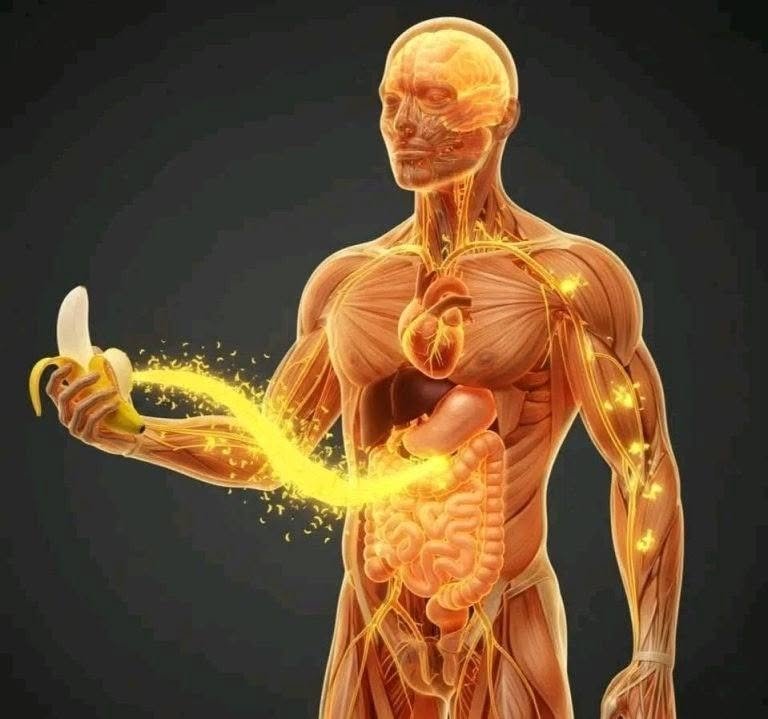
If You Are Over 50, Adding One Banana a Day Could Be a Simple Way to Support Your Health
Bananas are one of the simplest fruits to include in a daily diet. They are affordable, widely available, naturally sweet, easy to eat, and require almost no preparation. For adults over 50, a banana can be a convenient way to add important nutrients to the diet while also providing carbohydrates and dietary fiber.
However, it is important to separate realistic nutritional benefits from exaggerated claims. Eating one banana every day is not a treatment for disease, and it cannot replace medications, medical care, exercise, or a balanced diet. Its value comes from being one nutritious food that can contribute to an overall healthy eating pattern.
As we get older, nutritional needs and eating habits can change. Appetite may decrease, physical activity may change, and maintaining adequate intake of fiber, potassium, vitamin B6, and other nutrients can become increasingly important. A banana can fit easily into this picture.
Here is what may happen when you make one banana part of your regular diet.
1. Bananas Provide Useful Dietary Fiber
One of the benefits of bananas is their contribution to dietary fiber.
Fiber is important for normal digestive function. It adds bulk to stool and can help support regular bowel movements. Many adults do not consume enough fiber, particularly when their diet contains a lot of highly processed foods and not enough fruits, vegetables, whole grains, beans, and nuts.
A medium banana provides several grams of fiber.
That may not sound like a huge amount, but small contributions throughout the day can add up.
For someone trying to improve their diet, adding a banana to breakfast or having one as a snack can be an easy step toward eating more whole plant foods.
2. Bananas Contain Potassium
Potassium is an essential mineral involved in several important functions in the body.
It contributes to normal muscle function, nerve signaling, and fluid balance. Potassium also plays a role in maintaining normal blood pressure.
Bananas are well known as a source of potassium, although they are not the only source. Potatoes, beans, lentils, leafy greens, yogurt, avocados, and several other foods can also provide substantial amounts.
For healthy adults, including potassium-rich foods as part of a balanced diet can be beneficial.
However, people with certain kidney conditions may need to limit potassium intake. Some medications can also affect potassium levels. Therefore, someone who has been told to restrict potassium should not automatically increase banana consumption without discussing it with a healthcare professional.
3. They Can Be a Convenient Energy Source
A banana contains naturally occurring carbohydrates.
Carbohydrates are an important energy source for the body, particularly for the brain and muscles.
This makes bananas convenient before physical activity, during an active day, or as part of breakfast.
For older adults who sometimes skip meals because they don’t feel hungry, a banana can also be an easy food to combine with another nutritious option, such as plain yogurt, oatmeal, peanut butter, or a handful of nuts.
A banana by itself is not a complete meal, but it can be a useful component of one.
4. Bananas Provide Vitamin B6
Bananas contain vitamin B6, a nutrient involved in numerous processes in the body.
Vitamin B6 contributes to normal protein metabolism, nervous-system function, and the production of certain neurotransmitters and blood components.
Most people can obtain adequate vitamin B6 through a varied diet.
Eating a banana doesn’t suddenly provide an extraordinary amount of this vitamin, but it contributes to overall intake.
This illustrates an important principle of nutrition: individual foods don’t need to be miraculous to be useful. Their nutrients contribute to the bigger picture of a balanced diet.
5. They Can Support Digestive Health
Bananas contain different types of carbohydrates depending on how ripe they are.
A less-ripe banana contains more resistant starch, while a ripe banana contains more readily digestible sugars.
Resistant starch behaves in some ways like dietary fiber and can be fermented by gut bacteria.
As a banana ripens, its starches gradually break down, making the fruit softer and sweeter.
This means people may notice that very ripe bananas affect digestion differently from firmer bananas.
For many people, bananas are easy to digest and can be a practical fruit choice. However, individual tolerance varies. Someone who experiences bloating or digestive discomfort after eating bananas should pay attention to portion size and personal response.
6. Bananas Can Help Make Breakfast More Nutritious
One of the easiest ways to use a banana is at breakfast.
Instead of eating a banana alone, consider combining it with foods that provide protein and healthy fats.
These combinations are generally more satisfying than fruit alone because they provide a mixture of carbohydrates, protein, fat, and fiber.
For adults over 50, maintaining adequate protein intake is particularly important because muscle mass naturally tends to decline with age.
A banana does not provide much protein, so pairing it with a protein-rich food can make the meal more balanced.
7. A Banana Can Be a Better Snack Than Many Highly Processed Foods
A major advantage of fruit is convenience.
When someone is hungry between meals, it can be tempting to choose cookies, candy, pastries, or other highly processed snacks.
A banana provides sweetness without being a confectionery product.
It also provides fiber and micronutrients.
Replacing some highly processed snacks with fruit can be one practical way to improve the overall quality of the diet.
This doesn’t mean that people need to completely eliminate treats. Rather, bananas can provide another option when hunger appears between meals.
8. Bananas and Blood Sugar
This is an area where exaggerated health claims often appear.
Bananas contain carbohydrates and naturally occurring sugars, so they can raise blood glucose.
The effect depends on factors such as ripeness, portion size, what else is eaten with the banana, and a person’s individual metabolism.
People with diabetes do not necessarily need to avoid bananas. A banana can often fit into a balanced eating plan, but portion size and total carbohydrate intake matter.
Eating a banana together with protein, fat, or fiber-rich foods may slow digestion compared with eating a carbohydrate-rich food by itself.
Anyone using insulin or glucose-lowering medication should follow their individualized dietary and medication plan rather than assuming that bananas will lower blood sugar.
A banana is a nutritious fruit, but it is not a diabetes treatment.
9. Bananas May Be Useful Around Exercise
Muscle function depends on several nutrients, including potassium, magnesium, and other electrolytes.
Bananas provide potassium and carbohydrates, which is one reason they are commonly used as a convenient snack before or after physical activity.
For an older adult who walks, cycles, gardens, swims, or performs resistance exercises, a banana can be an easy source of carbohydrate.
However, muscle cramps are complicated and are not simply caused by a lack of bananas or potassium. Dehydration, muscle fatigue, medications, training intensity, and several other factors can contribute.
So it would be misleading to say that eating a banana guarantees protection from muscle cramps.