Doctors Reveal What Eating Bananas at Night Can Do to Your Body
Bananas are one of the most convenient fruits to eat at any time of day. They are naturally sweet, filling, inexpensive, and easy to combine with breakfast, snacks, yogurt, oatmeal, or smoothies.
But one popular question continues to circulate online:
Is eating a banana at night bad for you?
Some viral posts claim that eating bananas before bed causes weight gain, raises blood sugar, increases mucus, disrupts digestion, or even damages the kidneys.
For most healthy people, these claims are exaggerated.
There is nothing inherently unhealthy about eating a banana at night. What matters more is your overall diet, portion size, individual health needs, and what else you are eating throughout the day.
1. A Banana at Night Does Not Automatically Cause Weight Gain
One of the most common myths is that eating fruit at night makes you gain weight.
Your body doesn’t suddenly turn fruit into fat simply because the clock has passed a certain hour.
Weight gain is influenced primarily by your overall energy intake and expenditure over time.
A banana contains carbohydrates and natural sugars, but it also provides fiber, potassium, vitamin B6, and other nutrients.
If a banana fits within your overall calorie needs, eating it in the evening does not automatically cause weight gain.
The bigger issue is portion size and what accompanies it.
A plain banana is very different from a banana covered in chocolate, caramel, whipped cream, or a large amount of high-calorie toppings.
2. It May Make a Good Evening Snack
A banana can be a convenient alternative to highly processed snacks.
Instead of reaching for cookies, candy, or sugary desserts late at night, some people may find a banana satisfying.
Its carbohydrates can provide energy, while its fiber contributes to fullness.
For an even more filling snack, a banana can be paired with a source of protein or healthy fat, such as plain yogurt or a small amount of nuts.
3. Bananas Provide Potassium
Bananas are well known for their potassium content.
Potassium is an essential mineral involved in:
Normal muscle contraction
Nerve signaling
Fluid balance
Normal heart function
Eating potassium-rich foods as part of a balanced diet can contribute to overall nutritional health.
However, more potassium isn’t always better.
People with certain kidney conditions may need to limit potassium because their kidneys may not remove excess potassium from the blood efficiently.
If you have kidney disease or have been told to follow a potassium-restricted diet, follow your healthcare professional’s advice rather than assuming bananas are appropriate in unlimited amounts.
4. Bananas Contain Vitamin B6
Vitamin B6 is another nutrient found in bananas.
It contributes to normal protein metabolism, nervous-system function, red blood cell formation, and several other processes in the body.
A banana won’t provide everything your body needs, but it can contribute to your overall vitamin intake.
Eating a variety of fruits and vegetables is more beneficial than relying on one particular food.
5. What About Sleep?
You’ve probably heard that eating a banana before bed can help you sleep.
There is some nutritional reasoning behind the idea. Bananas contain carbohydrates and small amounts of nutrients involved in normal nervous-system function.
However, it would be an exaggeration to describe a banana as a sleep medication.
If you’re hungry before bed, a small nutritious snack may be more comfortable than going to bed very hungry.
But if you regularly have difficulty falling asleep or staying asleep, changing your diet alone may not solve the problem.
6. Bananas Can Support Digestive Health
Bananas contain dietary fiber.
Depending on their ripeness, they contain different types and amounts of fiber and resistant starch.
This can contribute to normal digestive function.
Some people find ripe bananas gentle on the stomach, while others may experience bloating or changes in bowel movements after eating them.
Individual responses vary.
If bananas consistently cause digestive discomfort, reducing the portion or choosing a different fruit may be appropriate.
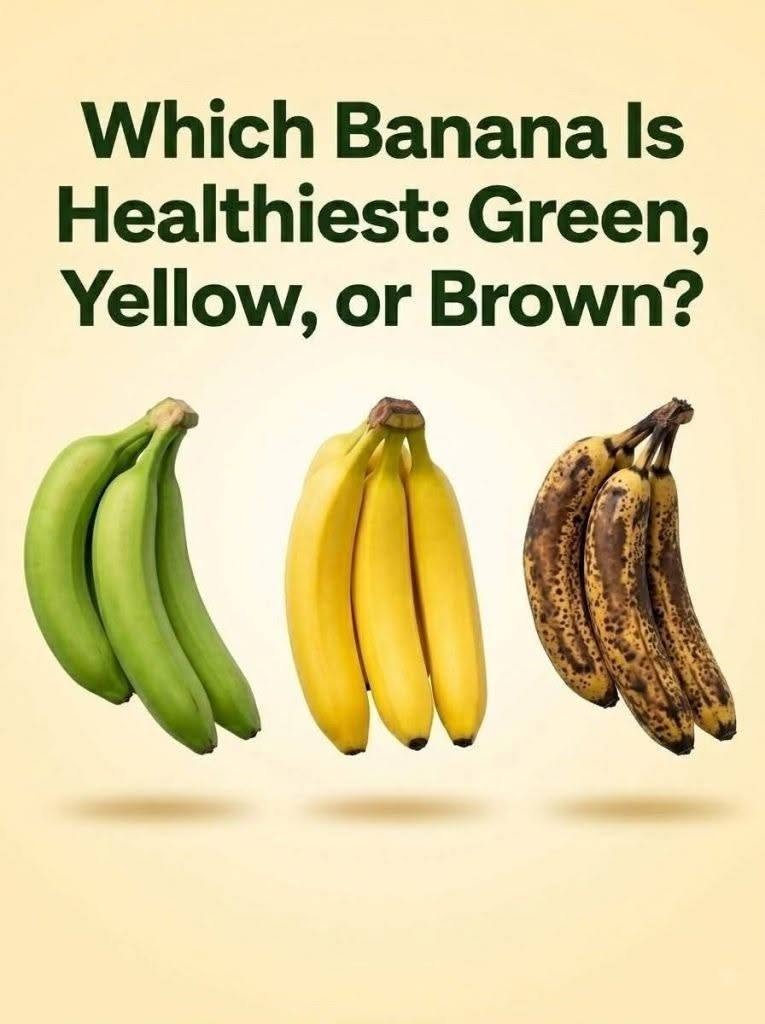
7. A Ripe Banana and a Green Banana Are Different
The ripeness of a banana changes its nutritional characteristics.
Green or less-ripe bananas contain more resistant starch.
As bananas ripen, some of that starch is converted into simpler sugars, making the fruit softer and sweeter.
This means a very ripe banana generally tastes sweeter than a green banana.
Neither is automatically “bad.”
Your choice can depend on your taste, digestion, and dietary goals.
8. What Happens to Blood Sugar?
Bananas contain natural sugars and carbohydrates, so they can raise blood glucose.
However, the effect depends on the size and ripeness of the banana, as well as what else is eaten with it.
The fiber in whole fruit slows digestion compared with drinking fruit juice or consuming a concentrated sugary beverage.
For people with diabetes, bananas can still fit into a balanced eating pattern, but portion size and the overall meal matter.