If You Are Over 50, Adding One Banana a Day Could Be a Simple Way to Support Your Health
Perhaps the biggest advantage of a daily banana is behavioral rather than medical.
Healthy eating becomes easier when nutritious foods are convenient.
A banana requires no cooking, no cutting board, and no complicated preparation.
You can keep one at home, take one to work, or pack one for a walk.
Small habits like this can make it easier to consume more fruits and vegetables throughout the week.
Instead of searching for a complicated “superfood,” focusing on simple foods that you can consistently include in your diet may be much more practical.
11. Bananas Can Be Combined With Other Healthy Foods
There is no need to eat a banana by itself.
Try adding sliced banana to oatmeal.
Mix it into plain yogurt.
Add it to a smoothie.
Serve it with nuts.
Spread a small amount of natural peanut butter on banana slices.
Use mashed banana in homemade recipes instead of some added sugar.
These combinations can make a banana more satisfying while adding other nutrients.
The important thing is to pay attention to the overall meal rather than focusing on one ingredient.
12. What About Weight Gain?
Some people avoid bananas because they believe that the fruit automatically causes weight gain.
That isn’t accurate.
Body weight is influenced by overall energy intake, energy expenditure, activity level, genetics, sleep, medications, and many other factors.
A banana contains calories, like every food, but eating one banana does not inherently cause weight gain.
In fact, replacing a calorie-dense processed snack with a banana may reduce total calorie intake for some people.
At the same time, eating very large amounts of any food can contribute excess calories.
The key is portion size and the overall dietary pattern.
13. Choose the Ripeness That Works for You
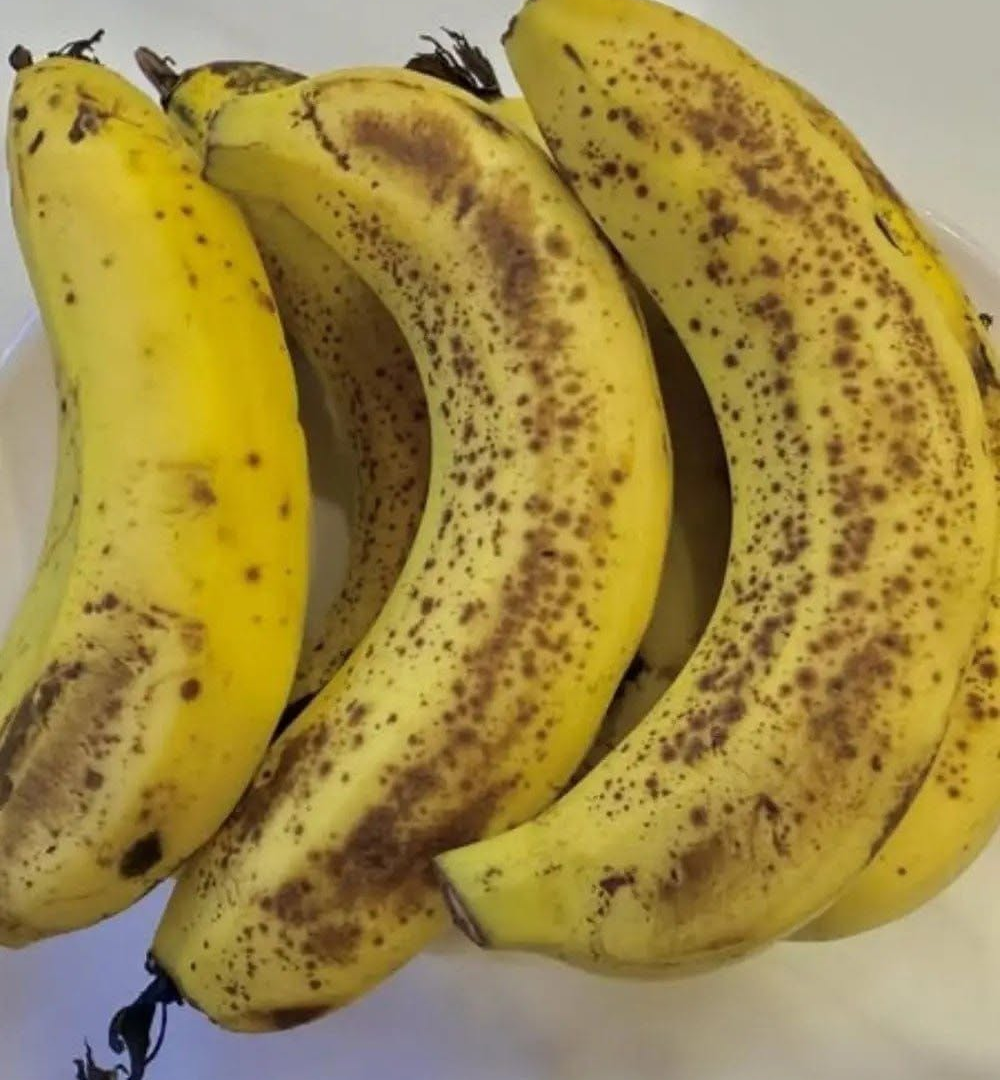
Bananas change considerably as they ripen.
Green bananas are firmer and contain more resistant starch.
Yellow bananas become softer and sweeter as starch is converted into simpler sugars.
Very ripe bananas can be especially useful for cooking because they are naturally sweet and soft.
There is no universally “best” ripeness.
If you prefer a less sweet taste and tolerate resistant starch well, a firmer banana may work.
If you have difficulty chewing or prefer softer foods, a ripe banana may be more convenient.
14. What Older Adults Should Consider
Although bananas are nutritious, not everyone should suddenly eat one every day without considering their individual health circumstances.
People with chronic kidney disease may have potassium restrictions.
People taking certain medications may need to monitor potassium levels.
People managing diabetes may need to account for the carbohydrate content.
People with food allergies or significant digestive sensitivity should also consider their individual response.
This doesn’t mean bananas are dangerous.
It simply means that nutrition should be individualized when someone has a medical condition or takes medications that affect diet.
15. One Banana Is Not a Miracle Cure
Social media often presents foods as if they can cure multiple diseases.
A banana cannot cure heart disease, diabetes, arthritis, kidney disease, cancer, or other chronic illnesses.
It can, however, contribute useful nutrients to a balanced diet.
That distinction matters.
Good health rarely comes from one food.
It comes from patterns repeated over months and years: eating a variety of nutritious foods, staying physically active, sleeping adequately, maintaining a healthy weight when appropriate, avoiding tobacco, limiting excessive alcohol, managing stress, and receiving appropriate medical care.
A banana can be one small part of that pattern.
A Simple Daily Banana Routine
If you enjoy bananas and they fit your dietary needs, you could make them part of your day in a simple way.
Morning
Slice one banana over oatmeal or plain yogurt.
Add a small amount of nuts or seeds for protein, healthy fats, and additional fiber.
Afternoon
Have a banana as a snack when you need something convenient.
If you want a more filling snack, combine it with plain yogurt or a small serving of nuts.
After exercise
A banana can provide carbohydrates and potassium, especially when combined with a protein-containing food.
In smoothies
Blend a banana with yogurt, milk or an appropriate alternative, and other fruits or vegetables.
Avoid turning every smoothie into a high-sugar drink by adding large amounts of sweeteners or fruit juice.
The Bigger Picture
If you’re over 50, adding one banana to your daily routine can be a simple nutritional habit, provided it fits your individual health needs.
The potential benefits come from its combination of carbohydrates, fiber, potassium, vitamin B6, and other nutrients.
But the real goal should not be to find one magical food.
Instead, build meals around a variety of whole foods.
Eat different fruits and vegetables.
Include adequate protein.
Choose whole grains when appropriate.
Include nuts, seeds, beans, and other nutrient-rich foods.
Drink enough fluids.
Stay physically active according to your abilities.
And speak with a healthcare professional if you have a medical condition that requires specific dietary restrictions.
Final Takeaway
One banana a day won’t transform your health overnight, but it can be a convenient and nutritious addition to a balanced diet.
For many adults over 50, it can provide fiber, potassium, vitamin B6, and useful carbohydrates while serving as an easy alternative to highly processed snacks.
The most important benefit may be its simplicity: it’s an affordable whole food that requires almost no preparation and can easily become part of a consistent healthy eating routine.
So if you enjoy bananas and have no medical reason to restrict them, there is nothing unusual about making one part of your daily diet. Just remember that lasting health comes from the overall pattern of what you eat and how you live—not from a single food.