Eating Bananas in the Evening: What Really Happens to Your Body?
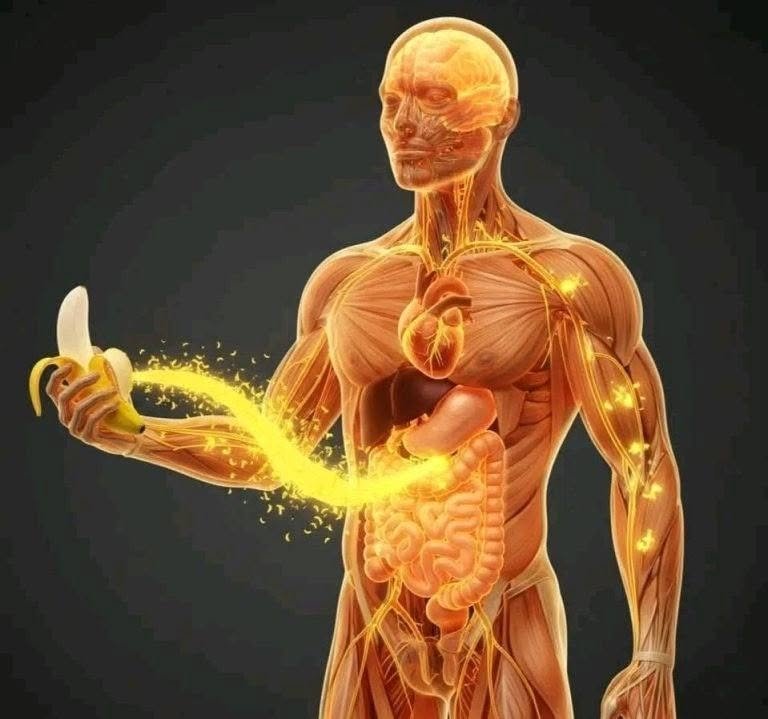
Bananas are one of the most popular fruits in the world, and many people enjoy them as a quick snack during the evening. But social-media posts often make dramatic claims about eating bananas at night, suggesting that they can suddenly increase energy, improve certain body functions, or even cause unwanted changes while you sleep.
The reality is much more straightforward.
A banana is a nutrient-rich fruit that provides carbohydrates, fiber, potassium, vitamin B6, and several other nutrients. Eating one in the evening can be a perfectly healthy choice for many people. What happens afterward depends on your overall diet, portion size, activity level, and individual health.
So, what can actually happen when you eat a banana in the evening?
1. A Banana Provides a Natural Source of Energy
Bananas contain carbohydrates, including naturally occurring sugars and starches.
When you eat a banana, your body breaks down its carbohydrates and uses them as fuel. This can be useful in the evening if you are hungry after a long day or if you have been physically active.
Unlike many highly processed snacks, a banana also provides fiber and micronutrients.
This combination makes it different from eating a sugary dessert or drinking a sweetened beverage.
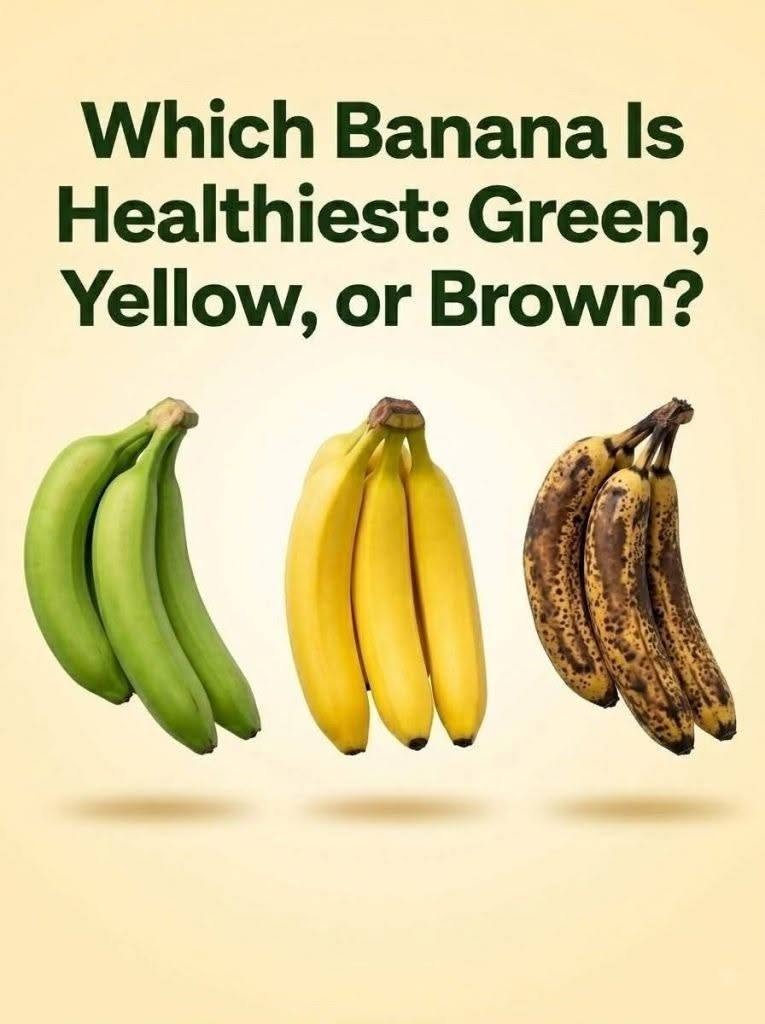
The amount of energy provided depends on the size and ripeness of the banana. A larger banana naturally contains more calories and carbohydrates than a smaller one.
2. Bananas Are Rich in Potassium
One of the best-known nutrients in bananas is potassium.
Potassium is an essential mineral involved in several important functions throughout the body, including normal muscle contraction, nerve signaling, and maintaining fluid and electrolyte balance.
Your body needs potassium every day, and fruits and vegetables are important sources.
Eating a banana in the evening can therefore contribute to your daily potassium intake.
However, one banana isn’t a magical way to dramatically increase potassium levels. Your overall diet is what matters.
Foods such as potatoes, beans, leafy green vegetables, yogurt, avocados, and other fruits can also provide potassium.
3. It May Help Satisfy Evening Hunger
Many people become hungry between dinner and bedtime.
If you are genuinely hungry, eating a nutritious snack can be more satisfying than trying to ignore the hunger and eventually reaching for highly processed foods.
A banana is convenient because it requires no preparation.
Its carbohydrates can provide energy, while its fiber contributes to fullness.
For some people, pairing a banana with a source of protein or healthy fat can make the snack even more satisfying.
For example, a banana with plain yogurt or a small portion of nuts can provide a combination of carbohydrates, protein, and fat.
4. Bananas Contain Vitamin B6
Bananas provide vitamin B6, a nutrient involved in normal protein metabolism, nervous-system function, and the production of various compounds needed by the body.
Vitamin B6 is found in many foods, so bananas aren’t the only way to obtain it.
Nevertheless, including different fruits and vegetables in your diet can help you obtain a broad range of vitamins and minerals.
5. What About Sleep?
This is where many viral posts make exaggerated claims.
You may see statements suggesting that eating a banana before bed will automatically make you sleep deeply or dramatically increase certain sleep-related hormones.
The reality is more nuanced.
Bananas contain nutrients involved in normal body processes, but eating a banana does not guarantee better sleep.
Sleep quality is influenced by many factors, including your sleep schedule, stress, caffeine consumption, physical activity, environment, and overall health.
If you’re hungry before bed, a small nutritious snack may be comfortable for some people. But there is no reason to believe that everyone needs to eat a banana at night to sleep better.
6. Bananas Can Support Normal Muscle Function
Potassium is important for normal muscle and nerve function.
Because bananas contain potassium, they can contribute to an overall diet that supports these processes.
This can be particularly relevant for people who exercise regularly.
However, eating a banana immediately before bed isn’t a special treatment for muscle cramps.
Muscle cramps can have many possible causes, and repeatedly experiencing severe or unexplained cramps may require a medical evaluation.