Two Spoons in the Morning: Can a Natural Remedy Really Help Bone Pain, Diabetes, Nerves, Depression, and Fatigue?
The idea sounds wonderfully simple: take two tablespoons of a natural ingredient in the morning, and supposedly you can say goodbye to bone pain, nerve pain, cartilage pain, anxiety, depression, insomnia, rheumatism, hemorrhoids, fatigue, and even problems related to blood sugar.
Claims like this are extremely common online because they offer an appealing promise: one inexpensive household remedy that could supposedly solve many unrelated health problems at once.
But there is an important problem with this type of claim.
The image does not identify exactly what the “two spoons” are supposed to contain, and there is no single natural drink or ingredient that has been established as a universal treatment for all of these conditions.
Bone pain, nerve pain, diabetes, depression, insomnia, hemorrhoids, and fatigue have very different causes. They also require very different approaches.
That doesn’t mean natural foods and traditional remedies have no value. Many foods contain useful nutrients and plant compounds, and some natural ingredients may have modest effects on particular aspects of health.
However, “natural” does not automatically mean “powerful medicine,” and one remedy should not be presented as a cure for numerous unrelated diseases.
Why the Claim Sounds So Convincing
The promise of taking only two tablespoons is attractive because it requires almost no effort.
There is no complicated exercise program.
There is no difficult diet.
There is no lengthy preparation.
Just two spoonfuls every morning.
Unfortunately, the simplicity of a treatment does not tell us whether it works.
A substance can be natural and still have little effect on a medical condition.
Likewise, an effective treatment doesn’t necessarily work for every person.
The human body is far more complicated than a viral image suggests.
Bone Pain Has Many Possible Causes
“Bone pain” is not a diagnosis.
Pain around the bones can originate from muscles, joints, tendons, nerves, inflammation, injuries, or the bones themselves.
For example, someone may experience pain because of:
An injury
Osteoarthritis
Inflammatory arthritis
Vitamin D deficiency
Osteoporosis-related fractures
Nerve problems
Muscle problems
Certain infections
Other medical conditions
These problems are not interchangeable.
If someone has persistent or unexplained bone pain, simply taking two tablespoons of an unidentified substance may delay the evaluation of the real cause.
What About Cartilage Pain?
Cartilage itself has limited ability to repair itself compared with many other tissues.
Joint pain commonly associated with cartilage deterioration, such as osteoarthritis, can involve multiple structures around the joint.
There is no household drink that has been proven to simply rebuild severely damaged cartilage overnight.
Nutrition can certainly support overall health.
Adequate protein, vitamins, minerals, physical activity, and maintaining a healthy body weight can all be relevant to musculoskeletal health.
But supporting joint health is very different from claiming that a spoonful of a particular ingredient regenerates damaged cartilage.
Nerve Pain Is Different From Joint Pain
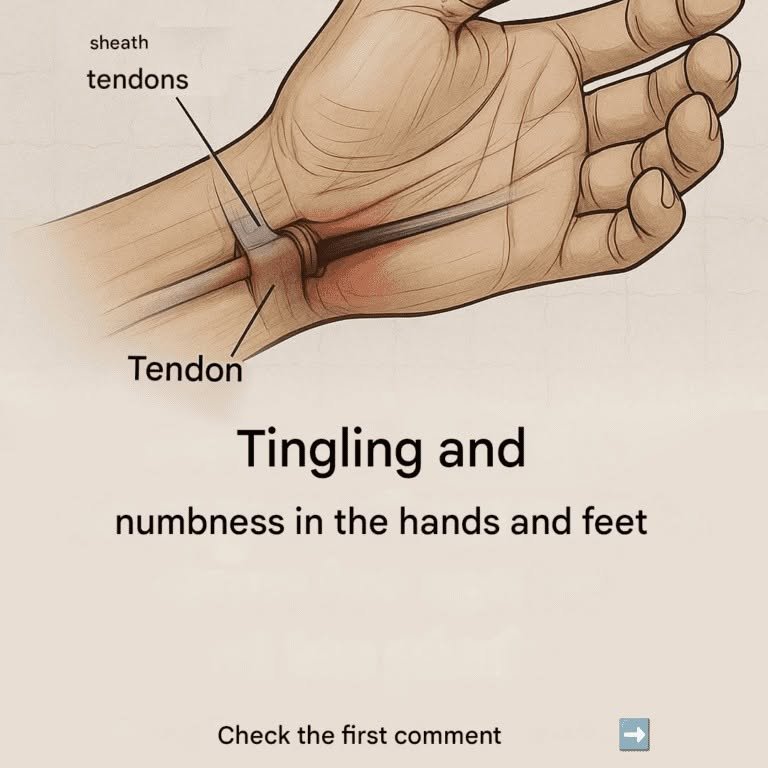
Nerve pain can feel burning, shooting, electric, tingling, numb, or unusually sensitive.
It may result from conditions such as:
Diabetes
Nerve compression
Certain injuries
Vitamin deficiencies
Some medications
Alcohol-related nerve damage
Certain neurological disorders
Treatment depends on the cause.
For example, nerve pain associated with diabetes may require better blood-glucose management and specific medical treatment.
Nerve compression may require an entirely different approach.
This is why one remedy cannot reasonably be expected to treat every type of nerve pain.
What About Diabetes?
This is one of the most important claims to approach carefully.
Diabetes is a chronic metabolic condition involving blood-glucose regulation.
There are different types of diabetes, and treatment depends on the type and the individual.
Food and lifestyle can play an important role in diabetes management.
However, a natural drink should not replace prescribed diabetes medication or medical monitoring simply because an online post claims it can lower blood sugar.
Some natural substances may affect blood glucose.
That can actually create a problem for people taking diabetes medication because combining multiple glucose-lowering influences could potentially contribute to blood sugar becoming too low.
Anyone with diabetes should discuss significant dietary or supplement changes with a healthcare professional.
Depression Is Not Simply a Nutrient Deficiency
The image also claims that the remedy can eliminate depression.
That is far too broad.
Depression is a complex condition involving psychological, biological, social, and environmental factors.
Nutrition can contribute to general well-being, and deficiencies in certain nutrients can sometimes affect mood.
But that does not mean depression can be cured by taking two tablespoons of a particular food or drink.
Someone experiencing persistent sadness, loss of interest, hopelessness, major changes in sleep or appetite, or difficulty functioning should not rely on a social-media remedy alone.
Professional support can make an important difference.
Anxiety Requires Individual Attention
Anxiety is another condition with many possible forms and causes.
Occasional nervousness is a normal human response.
Persistent anxiety that interferes with daily life is different.
Some people benefit from psychological therapies, lifestyle changes, medication, or a combination of approaches.
Healthy eating can support general health, but it shouldn’t be presented as a universal cure for an anxiety disorder.
What About Insomnia?
Sleep problems are extremely common.
Poor sleep can be related to:
Stress
Anxiety
Depression
Irregular schedules
Excessive caffeine
Alcohol
Certain medications
Pain
Sleep apnea
Other medical conditions
A healthy diet can contribute to overall well-being, but chronic insomnia usually requires looking at the underlying cause.
If someone regularly struggles to fall asleep, wakes repeatedly, or feels exhausted despite spending enough time in bed, simply taking a morning remedy may not address the real problem.
Fatigue Is a Symptom, Not a Diagnosis
This is another reason the viral claim is misleading.
Fatigue can result from something as simple as inadequate sleep or an overly demanding schedule.
But persistent fatigue can also be associated with:
Iron deficiency
Thyroid problems
Anemia
Diabetes
Sleep disorders
Infections
Medication effects
Depression
Chronic illness
Nutritional deficiencies
If fatigue continues for weeks or becomes severe, finding the cause is much more useful than trying random remedies.
What About Rheumatism?
“Rheumatism” is an older and broad term often used to describe pain or discomfort affecting joints, muscles, and related structures.
Modern medicine distinguishes between many specific conditions, including rheumatoid arthritis, osteoarthritis, gout, lupus-related joint problems, and other inflammatory disorders.
Each can require different treatment.
An ingredient that might be nutritious does not automatically treat all of them.
Hemorrhoids Are a Different Problem
Hemorrhoids involve swollen blood vessels and surrounding tissue in the lower rectal and anal area.
They can be associated with constipation, straining, pregnancy, prolonged sitting, and other factors.
Dietary fiber and adequate fluid intake can be helpful for preventing constipation, which may reduce strain during bowel movements.