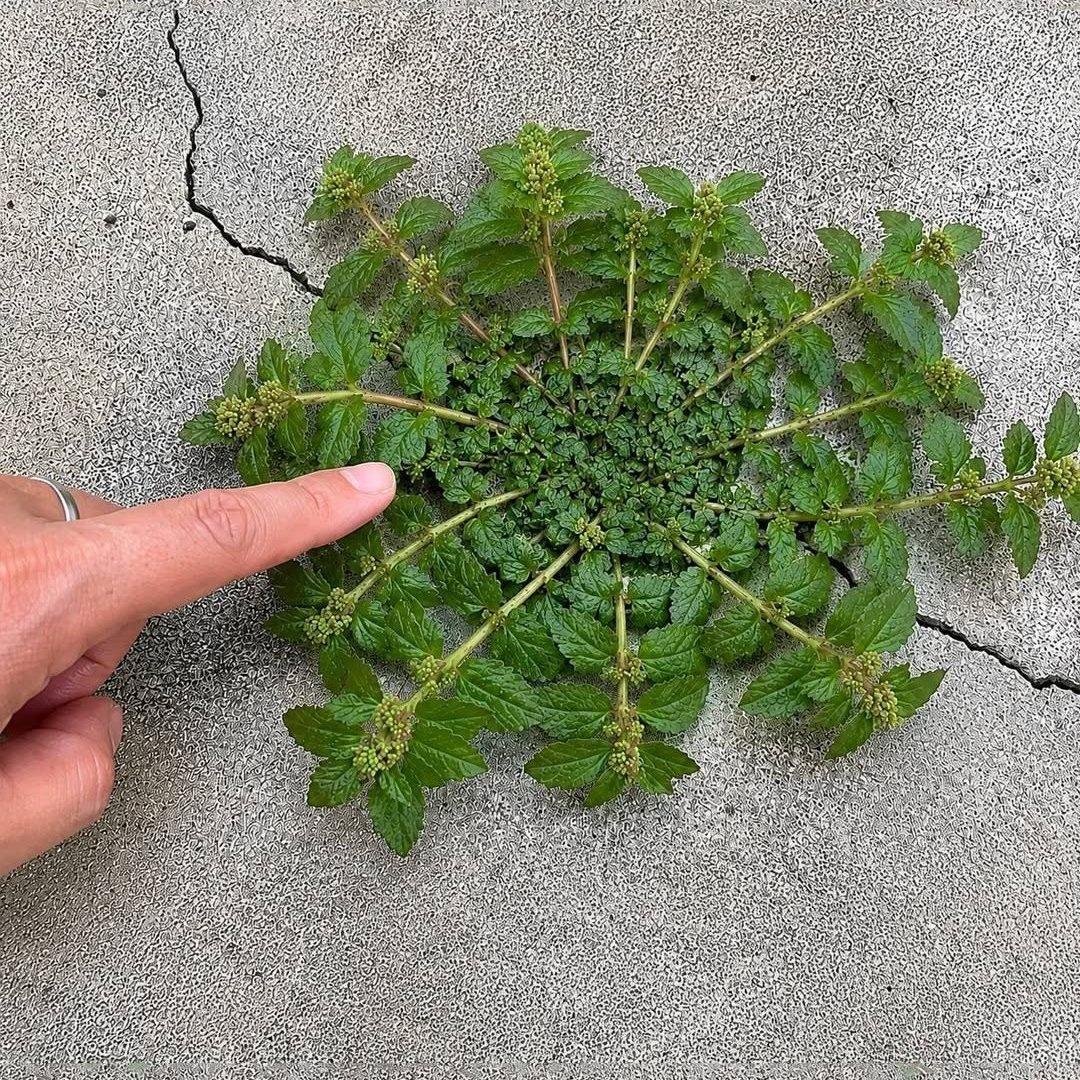
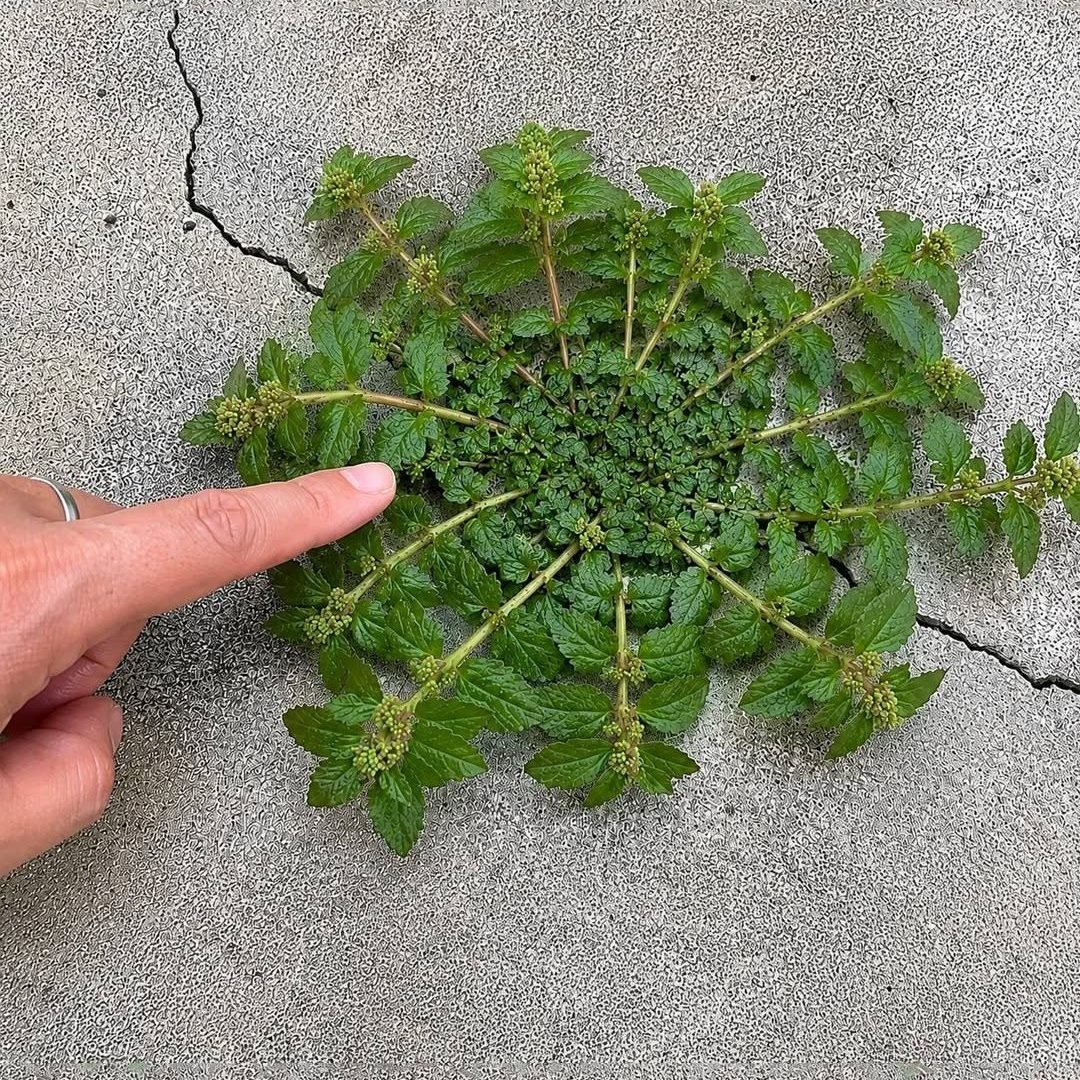
Thyme for Knee Pain: Can This Herb Really Help Rebuild Cartilage?
Knee pain can make everyday activities surprisingly difficult. Walking up stairs, standing after sitting for a long time, getting out of bed, or taking a short walk may become uncomfortable when the knee joint is painful or stiff. For people living with osteoarthritis, these challenges can affect mobility, independence, and quality of life.
Because conventional treatments do not work equally well for everyone, many people explore natural approaches to managing joint discomfort. One herb that frequently appears in home remedies is thyme, a fragrant plant commonly used in cooking and traditional herbal preparations.
Thyme contains several biologically active compounds that researchers have studied for their antioxidant and anti-inflammatory properties. This has led to claims that thyme may relieve knee pain or even help rebuild damaged cartilage.
But what does the evidence actually show? Can thyme restore cartilage that has worn away, and how can it be used safely as part of a joint-health routine?
Understanding the difference between a traditional remedy, a potentially helpful dietary ingredient, and a proven medical treatment is essential.
Understanding Knee Cartilage and Why It Matters
To understand the claims about thyme, it helps to know how the knee joint works.
The knee is formed by the meeting of the thighbone, shinbone, and kneecap. The ends of these bones are covered with a smooth, resilient tissue called articular cartilage.
Cartilage helps the bones move against each other with minimal friction. It also distributes forces across the joint during activities such as walking, climbing stairs, and bending the knee.
Unlike many other tissues in the body, articular cartilage has a limited capacity to repair itself because it lacks a direct blood supply. When cartilage becomes damaged or gradually wears down, the body may struggle to restore its original structure.
One common cause of cartilage deterioration is osteoarthritis.
Osteoarthritis is a complex joint condition involving changes in cartilage, the underlying bone, the joint lining, and surrounding tissues. It can cause pain, stiffness, swelling, and reduced mobility.
Although osteoarthritis becomes more common with age, it is not an inevitable consequence of getting older. Previous injuries, excess mechanical stress, genetics, body weight, and other factors can influence the risk of developing the condition.
Importantly, knee pain does not always mean that cartilage has worn away. Tendon problems, bursitis, injuries, inflammatory arthritis, and other conditions can also cause knee symptoms.
A proper assessment can help determine the likely cause and guide treatment.
What Makes Thyme Interesting to Researchers?
Thyme belongs to the mint family and is widely used in Mediterranean and other cuisines. Several species are used as culinary herbs, including common thyme.
The plant contains aromatic compounds and other substances that have attracted scientific interest.
1. Thymol
Thymol is one of the best-known compounds found in thyme essential oil.
Laboratory research has examined thymol for its antioxidant, antimicrobial, and anti-inflammatory activities. Some experimental studies suggest that it may influence biological pathways involved in inflammation.
However, results from laboratory experiments do not automatically translate into meaningful benefits for people with osteoarthritis.
A compound that affects inflammatory processes in cells or animals may behave differently when consumed in food or taken as a supplement.
2. Carvacrol
Carvacrol is another aromatic compound found in certain thyme species and other herbs.
It has been investigated for possible antioxidant and anti-inflammatory effects in experimental settings.
These findings are scientifically interesting, but they do not establish that drinking thyme tea or applying thyme preparations to the knee can repair cartilage.
3. Antioxidant Compounds
Thyme also contains various plant compounds that contribute to its antioxidant activity.
Antioxidants can help neutralize certain reactive molecules under specific biological conditions. Oxidative stress has been investigated as one of several processes involved in osteoarthritis.
Nevertheless, osteoarthritis is not caused by a single mechanism. It involves interactions among mechanical stress, inflammation, cartilage metabolism, bone changes, and other biological processes.
Consuming antioxidant-rich foods can contribute to a healthy diet, but there is no convincing clinical evidence that thyme alone reverses these changes in the knee.
Can Thyme Rebuild Knee Cartilage?
This is the most important question, especially for people who have been told they have cartilage damage.
At present, there is no strong clinical evidence that thyme tea, thyme water, thyme supplements, or thyme essential oil can rebuild worn knee cartilage in humans.
Some compounds found in thyme have shown biological effects in laboratory or preclinical research. These findings may help researchers investigate potential treatments in the future.
However, evidence of an effect on inflammation in a laboratory is not the same as evidence that a treatment regenerates cartilage inside a human knee.
To demonstrate cartilage regeneration, researchers would need well-designed human studies showing that a treatment produces meaningful structural improvements, not merely temporary changes in pain or stiffness.
Such evidence has not established thyme as a cartilage-regenerating treatment.
This distinction matters because exaggerated claims may encourage people to delay medical assessment or abandon treatments that could help preserve mobility.
Thyme can still be enjoyed as a culinary herb. It simply should not be presented as a proven cure for osteoarthritis.