Smart Habits to Protect Your Teeth: Simple Ways to Prevent Cavities and Keep Your Smile Healthy
A healthy smile doesn’t happen by accident. The condition of your teeth is influenced by everyday habits—what you eat and drink, how you brush, how you clean between your teeth, and how regularly you have your mouth examined.
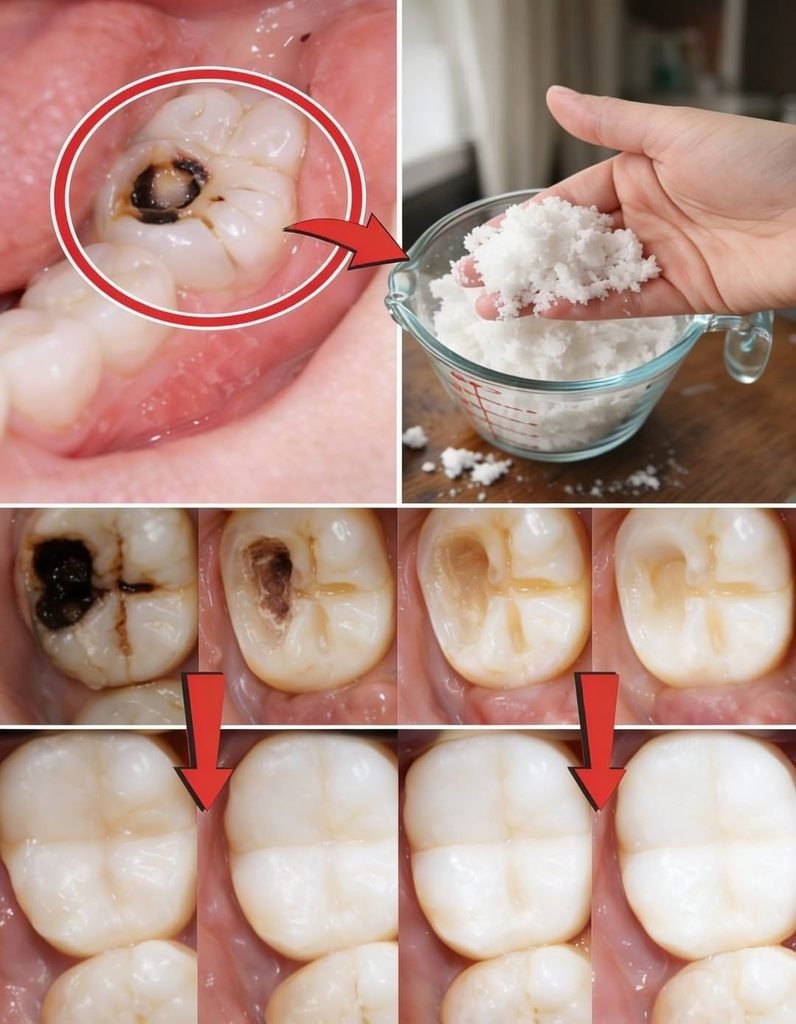
Images showing a damaged tooth becoming completely white again after applying a household ingredient can be tempting, especially when they suggest that something as simple as salt can repair a cavity. However, salt cannot rebuild a tooth that has already developed a true cavity or restore lost tooth structure.
The good news is that many cavities can be prevented, and very early tooth decay can sometimes be stopped or remineralized when appropriate preventive measures are used.
Here are practical habits that can make a meaningful difference.
1. Brush Your Teeth Twice a Day
One of the most important habits is brushing twice daily with fluoride toothpaste.
Brushing removes dental plaque, the sticky film of bacteria that continuously develops on the teeth. These bacteria can use sugars and carbohydrates from food to produce acids.
Repeated acid exposure can weaken tooth enamel and eventually contribute to cavities.
Brushing helps disrupt this process and removes plaque before it has more opportunity to cause damage.
Try to brush for about two minutes each time, making sure you clean the outer, inner, and chewing surfaces of the teeth.
2. Don’t Brush Too Aggressively
More pressure does not mean cleaner teeth.
Scrubbing aggressively can irritate the gums and contribute to wear of tooth surfaces, particularly when combined with an abrasive toothpaste or a hard-bristled toothbrush.
Use gentle pressure and small, controlled movements.
A soft-bristled toothbrush is generally a good choice for routine cleaning.
Think of brushing as carefully cleaning the teeth rather than trying to scrub them like a household surface.
3. Fluoride Helps Strengthen Enamel
Fluoride is one of the most important tools for preventing tooth decay.
It helps strengthen tooth enamel and supports the remineralization process when teeth have experienced early acid-related mineral loss.
This is one reason fluoride toothpaste is widely recommended for preventing cavities.
If you are choosing toothpaste, look for one containing fluoride and use it regularly according to dental recommendations.
For children, the appropriate amount of toothpaste depends on their age, and parents should follow guidance from their dentist or healthcare professional.
4. Understand the Difference Between Early Decay and a Cavity