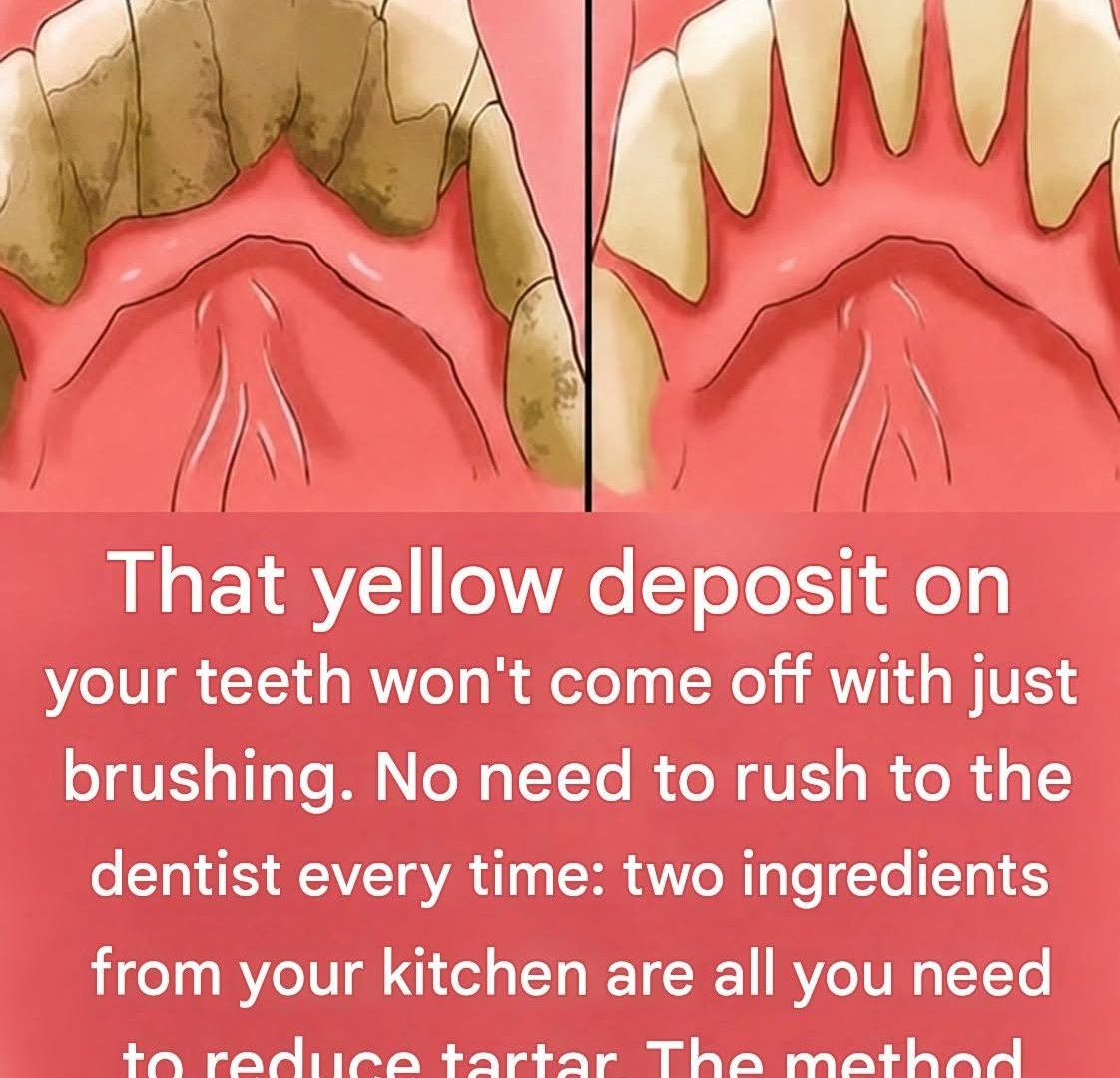
Smart Habits to Protect Your Teeth: Simple Ways to Prevent Cavities and Keep Your Smile Healthy
Persistent dry mouth can increase the risk of dental problems because saliva plays an important protective role.
Dry mouth can be caused by dehydration, certain medications, medical conditions, mouth breathing, and other factors.
If your mouth regularly feels dry, particularly at night or throughout the day, don’t simply accept it as normal.
A dentist or healthcare professional can help determine the cause and suggest appropriate ways to manage it.
16. Limit Frequent Acid Exposure
Acid can come from more than sugar.
Soft drinks, energy drinks, citrus juices, vinegar-heavy foods, and other acidic products can contribute to enamel erosion when consumed frequently.
This is different from a cavity caused by bacterial acid production, although both processes can damage teeth.
You don’t necessarily need to eliminate every acidic food.
The goal is to avoid excessive and repeated exposure.
17. Don’t Use Lemon to Whiten Your Teeth
Lemon juice is sometimes promoted online as a natural teeth-whitening treatment.
This is not a good idea.
Lemon is highly acidic, and repeatedly exposing your teeth to acid can contribute to enamel erosion.
Once enamel is significantly worn away, it doesn’t simply grow back.
If you want whiter teeth, discuss safer options with a dental professional rather than experimenting with acidic household ingredients.
18. Be Careful With Baking Soda and Other DIY Remedies
Baking soda is used in some commercial toothpastes, but that doesn’t mean every homemade mixture is appropriate for your teeth.
The concentration, abrasiveness, frequency of use, and overall formulation matter.
DIY mixtures containing vinegar, lemon juice, peroxide, salt, or other household substances can cause irritation or enamel damage when used incorrectly.
The fact that an ingredient is found in a kitchen doesn’t make it suitable as a dental treatment.
19. Don’t Try to Scrape a Cavity Away
If you see a dark spot or hole in a tooth, don’t attempt to remove it with a sharp object.
Trying to scrape or dig into a tooth can damage healthy enamel and dentin, cause pain, introduce bacteria, or make the problem worse.
A dentist has specialized instruments and can determine what the discoloration actually represents.
A dark spot isn’t always a cavity, and a cavity isn’t always obvious from the outside.
20. Visit the Dentist Even If Your Teeth Don’t Hurt
One of the biggest misconceptions about dental problems is that pain always comes first.
Early cavities may cause no symptoms.
Dental professionals can sometimes identify problems before they become painful.
Regular dental examinations can therefore help detect decay, gum disease, worn fillings, cracks, and other problems while they are easier to manage.
The recommended frequency of dental visits depends on your individual risk and oral health.
21. Don’t Wait for Severe Toothache
A toothache can indicate that a dental problem has progressed.
Depending on the cause, pain can occur when decay reaches deeper parts of the tooth or when the surrounding tissues become inflamed.
If you develop persistent tooth pain, sensitivity that doesn’t go away, swelling, or pain when biting, arrange a dental evaluation rather than relying on home remedies.
The earlier the cause is identified, the more treatment options may be available.
22. Protect Your Teeth During Sports
Dental injuries aren’t limited to cavities.
If you participate in contact sports or activities where you could receive a blow to the face, an appropriately fitted mouthguard can help protect the teeth.
A damaged tooth may require extensive treatment, so prevention can be valuable.
23. Don’t Use Your Teeth as Tools
Teeth are designed for eating, not for opening packages, cutting objects, holding things, or cracking hard materials.
Using teeth as tools can cause chips and cracks.
Even a tooth that appears strong can fracture under an unexpected amount of force.
Keep scissors, bottle openers, and appropriate tools nearby instead of using your teeth.
24. Protect Your Teeth From Grinding
Some people grind or clench their teeth, particularly during sleep.
Over time, this can contribute to tooth wear, sensitivity, cracks, jaw discomfort, and other problems.
If you wake with jaw pain, headaches, damaged teeth, or someone tells you that you grind your teeth at night, mention it to your dentist.
A dental professional can determine whether a protective appliance or another approach is appropriate.
25. Take Care of Your Gums Too
Healthy teeth depend partly on healthy gums.
Plaque accumulating around the gumline can contribute to gingivitis and, if the condition progresses, more serious periodontal disease.
Watch for:
Bleeding during brushing
Swollen gums
Persistent redness
Gum tenderness
Receding gums
Persistent bad breath
Occasional minor bleeding can have several explanations, but persistent gum bleeding should be evaluated.
26. Replace Your Toothbrush When Necessary
A toothbrush doesn’t remain equally effective forever.
Over time, bristles become worn and less effective at cleaning.
If the bristles are visibly frayed or damaged, replacing the toothbrush is sensible.
After an illness, replacing the toothbrush may also be reasonable depending on the circumstances.
If you use an electric toothbrush, follow the manufacturer’s recommendations for replacing the brush head.
27. Brush the Tongue Gently
The tongue can harbor bacteria and food debris.
Gently brushing the tongue or using a tongue cleaner can help reduce buildup and improve oral freshness.
There is no need to scrape aggressively.
The goal is gentle cleaning, not trying to remove the natural surface of the tongue.
28. Children Need Special Attention
Children’s teeth can develop decay quickly, particularly when they frequently consume sugary foods or drinks.
Parents can help by establishing consistent brushing habits, supervising younger children, limiting frequent sugary snacks and drinks, and arranging appropriate dental care.
Children should also be taught that dental care is a daily habit rather than something to do only when a tooth hurts.
29. Your Nighttime Routine Matters
A useful nighttime routine is simple.
Brush with fluoride toothpaste.
Clean between your teeth.
Avoid going to sleep immediately after consuming sugary foods or drinks without cleaning your teeth.
Nighttime matters because saliva production decreases during sleep, reducing some of the mouth’s natural defenses.
30. The Most Important Habits Are the Boring Ones
Dental health doesn’t usually depend on a secret ingredient.
It depends on repeating basic habits consistently.
Brush twice daily.
Clean between your teeth.
Use fluoride toothpaste.
Limit frequent exposure to sugar and acidic drinks.
Drink water.
Protect your teeth from physical damage.
Keep regular dental appointments.
These habits may not look exciting on social media, but they have a much stronger foundation than viral claims about household ingredients instantly repairing cavities.
What About the Tooth Shown in the Image?
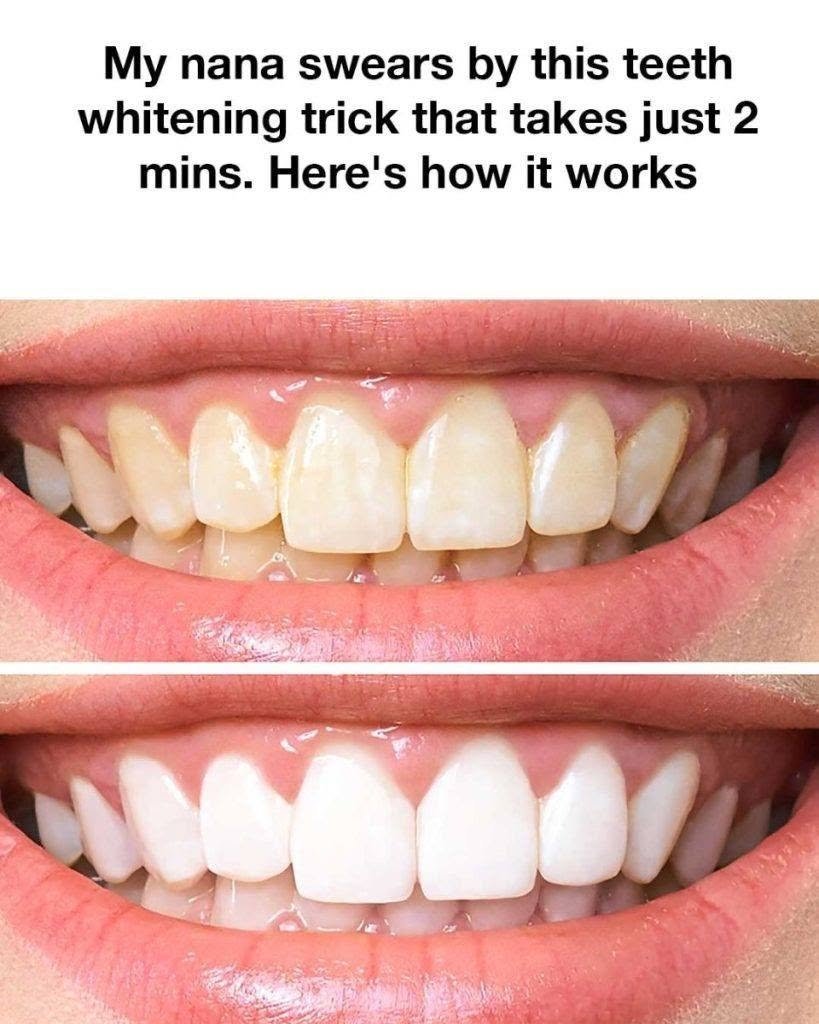
The photograph appears to show a tooth with a significant dark area that resembles dental decay, followed by images suggesting that the tooth becomes progressively cleaner after applying a white substance.
It’s important not to interpret such a sequence as proof that salt or another household ingredient can regenerate a damaged tooth.
A true cavity represents physical loss of tooth structure.
Once a hole has formed, rinsing or brushing with salt cannot rebuild the missing enamel or dentin.
Very early enamel demineralization is different. At that stage, before an actual cavity forms, minerals can sometimes be restored to the enamel through saliva and fluoride.
That distinction is crucial.
What Should You Do If You Already Have a Cavity?
Don’t rely on salt, baking soda, lemon, oil, or another homemade remedy to repair it.
Arrange a dental examination.
Depending on how extensive the decay is, treatment could involve preventive care, fluoride treatment, a filling, or more extensive treatment if the decay has reached deeper structures.
The appropriate treatment depends on the tooth and how far the decay has progressed.
Final Thoughts
Protecting your teeth doesn’t require complicated routines or miracle ingredients.
The most valuable habits are remarkably simple: brush twice a day with fluoride toothpaste, clean between your teeth daily, reduce frequent sugary and acidic exposures, drink water, protect your teeth from physical damage, and have them checked regularly.
Salt water may be soothing in certain situations, but it cannot rebuild a tooth after a true cavity has formed.
If you notice a hole, persistent dark spot, toothache, swelling, prolonged sensitivity, or pain when biting, don’t wait for a home remedy to fix it. A dental professional can determine what’s actually happening and treat the problem appropriately.
Your teeth are much easier to protect than to repair—so consistent daily care is the smartest “trick” of all.