If You Notice Your Legs Are Swollen, Don’t Ignore It — But Don’t Assume It’s One Specific Disease
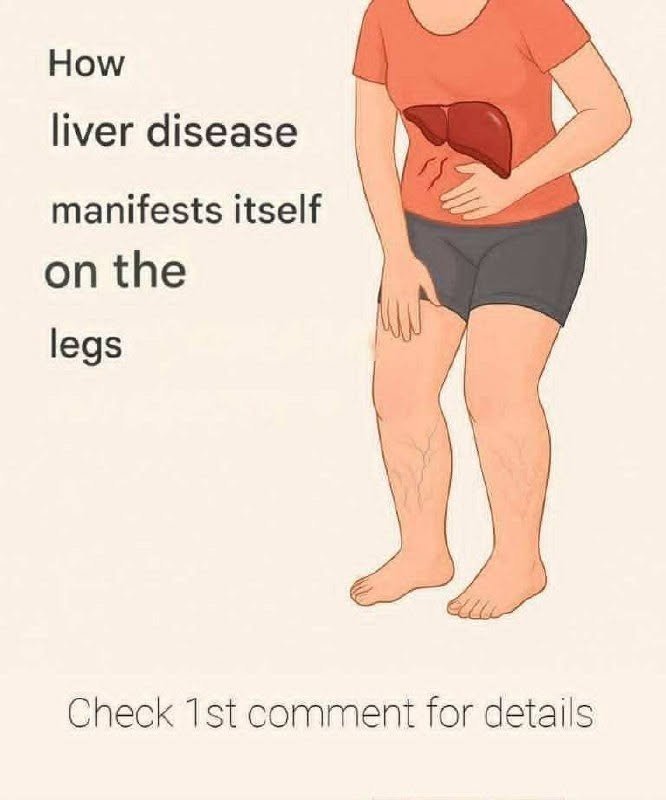
Swollen ankles, feet, or legs are common, especially after spending a long time sitting or standing. But the claim suggested by the image—apparently implying that swollen legs automatically point to one serious disease—is too simplistic.
Leg swelling is a symptom, not a diagnosis.
It can happen for something relatively harmless, such as prolonged sitting, standing, excess salt, or certain medications. But persistent or unexplained swelling can also occur with problems involving the veins, heart, kidneys, liver, lymphatic system, thyroid, or with a blood clot. (Mayo Clinic)
The important question isn’t simply “Are my legs swollen?”
It’s:
“Why are they swollen, and are there any warning signs?”
What Is Leg Swelling?
Swelling caused by excess fluid accumulating in the tissues is commonly called edema.
It often appears around the:
Ankles
Feet
Lower legs
Calves
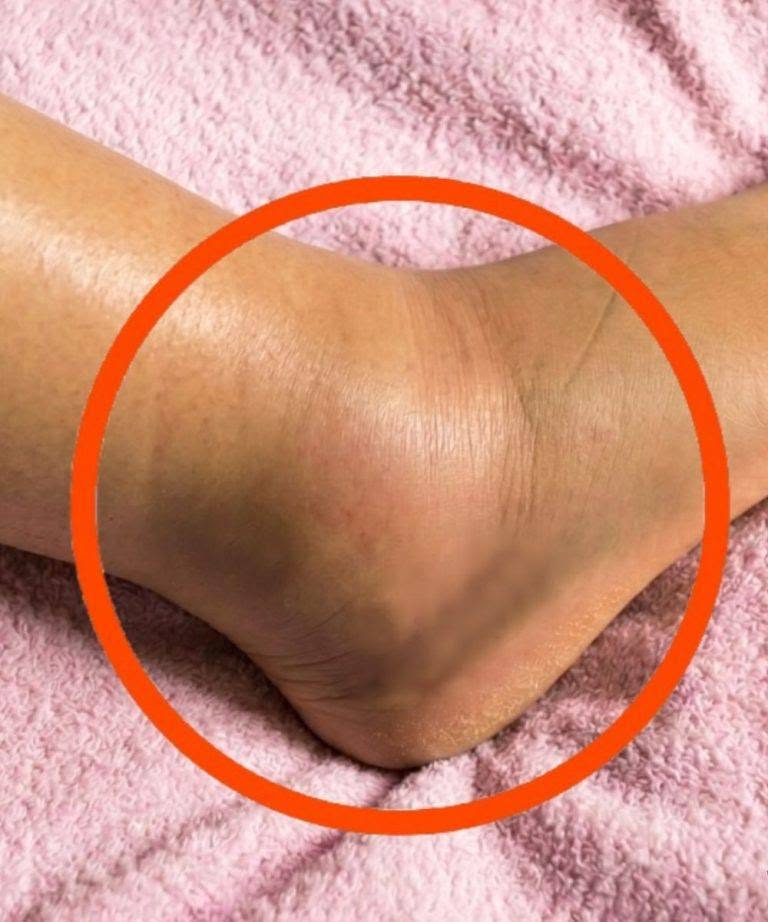
The skin may look stretched or shiny, and sometimes pressing on the swollen area leaves a temporary indentation known as pitting edema. (Mayo Clinic)
Not every swollen leg is caused by fluid retention, however. Injuries and inflammation can also cause swelling.
That’s why the appearance of the swelling alone isn’t enough to determine the cause.
1. Sitting or Standing Too Long
One of the simplest explanations is remaining in the same position for hours.
When you’re standing, gravity encourages blood and fluid to collect in the lower portions of the body.
Long periods of sitting can also reduce the muscle activity that helps move blood back toward the heart.
This can happen after:
A long car journey
A flight
A long day at work
Sitting at a desk
Standing for many hours
Being less active than usual
The swelling may improve after movement and elevation.
Gentle walking can help circulation, while elevating the legs when resting may reduce mild swelling. (nhs.uk)
2. Too Much Salt
A particularly salty meal can temporarily increase fluid retention in some people.
Salt contains sodium, and sodium plays an important role in regulating fluid balance.
This doesn’t mean that every episode of swollen ankles is caused by eating salt.
But if swelling repeatedly appears after a diet high in salty processed foods, reducing excessive sodium intake may be helpful.
Foods that can contain substantial amounts of sodium include:
Processed meats
Instant noodles
Packaged soups
Salty snacks
Fast food
Some canned foods
Processed sauces
Very salty cheeses
The goal isn’t to eliminate sodium completely.
Your body needs sodium.
The goal is to avoid excessive intake.
3. Certain Medications Can Cause Swelling
This is an often-overlooked possibility.
Some medications can cause fluid retention or peripheral edema.
Examples include certain:
Blood-pressure medicines
Hormonal medications
Steroids
Antidepressants
Anti-inflammatory pain medicines
Diabetes medications
Some calcium-channel blockers used for blood pressure, for example, are well known to potentially cause ankle swelling. (Mayo Clinic)
If swelling begins after starting a new medication, don’t simply stop taking it.
Instead, tell your healthcare professional.
They can determine whether the medication may be contributing and whether a change is appropriate.
4. Vein Problems Can Cause Swollen Legs
The veins in your legs have to move blood upward against gravity.
They contain valves that help prevent blood from flowing backward.
Over time, those valves can become less effective.
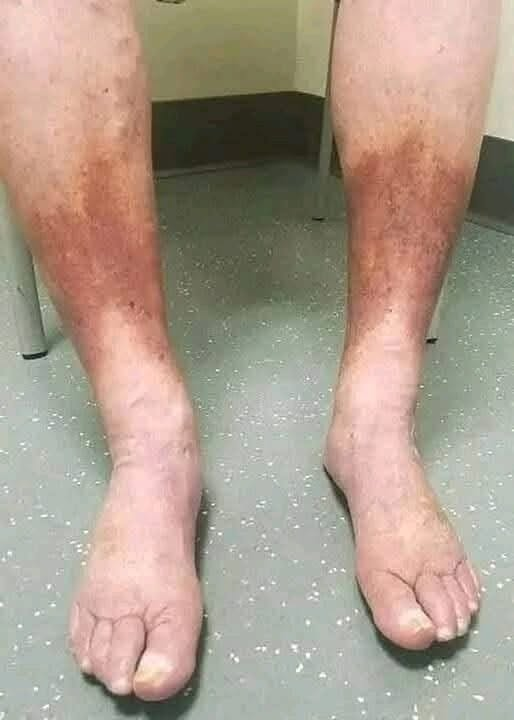
This can lead to chronic venous insufficiency, in which blood tends to pool in the lower legs.
Possible signs include:
Swollen ankles
Heavy-feeling legs
Aching after standing
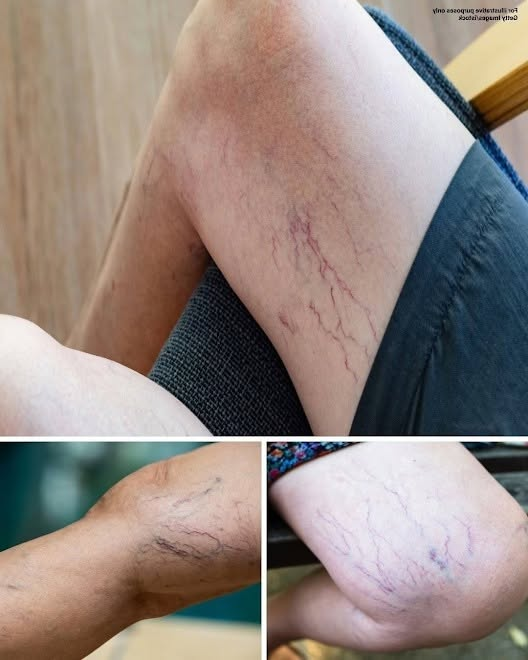
Varicose veins
Skin changes around the lower legs
Venous problems are a common cause of leg swelling and are very different from suddenly developing a dangerous blood clot.
A healthcare professional can distinguish between them when necessary.