How to Support Colon Health Naturally: Safe Ways to Relieve Constipation and Improve Digestion
Constipation is a common digestive problem that can cause abdominal discomfort, bloating, straining, and a persistent feeling that the bowel has not emptied completely. For some people, it happens occasionally after a change in diet or routine. For others, it becomes a recurring problem that affects comfort, sleep, and everyday activities.
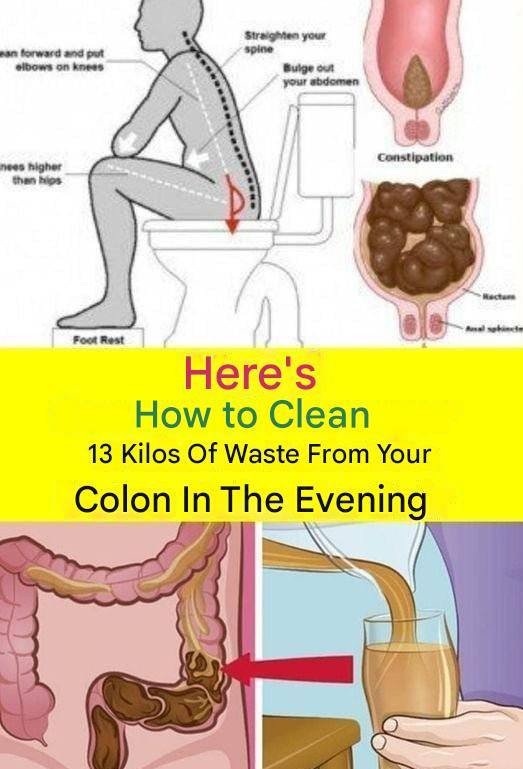
Online claims sometimes suggest that the colon can accumulate 10, 13, or even 15 kilograms of waste and that a special drink can remove it overnight. These claims can sound alarming, especially for people who regularly experience constipation. However, there is no good evidence that a healthy person’s colon normally stores 15 kilograms of trapped waste that needs to be flushed out.
The colon is part of the digestive system, and its job is to absorb water and electrolytes from digestive contents while forming and moving stool toward the rectum. It does not need a special detox drink to clean itself.
Fortunately, there are practical ways to support regular bowel movements, reduce constipation, and improve digestive comfort. These include eating enough fiber, drinking adequate fluids, staying physically active, and adopting a comfortable toilet routine.
Understanding how the colon works can help you avoid potentially harmful cleansing methods and choose safer approaches to digestive health.
Understanding What Happens Inside Your Colon
The colon, also known as the large intestine, is the final major section of the digestive tract.
After food passes through the stomach and small intestine, the remaining material enters the large intestine. The body absorbs additional water and electrolytes, while gut bacteria help break down certain substances that were not fully digested earlier.
The remaining material gradually becomes stool.
The colon moves this material toward the rectum through coordinated muscular contractions. When stool reaches the rectum, nerves help signal that it may be time to have a bowel movement.
The process is influenced by several factors, including diet, hydration, physical activity, medications, and the normal functioning of the digestive tract.
A healthy digestive system does not need to be emptied completely every night. Bowel movements vary considerably from person to person.
Some healthy adults have bowel movements several times a day, while others go every other day or less frequently.
Frequency alone does not determine whether someone is constipated. Stool consistency, straining, discomfort, and the feeling of incomplete evacuation are also important.
Is It Possible to Have 15 Kilograms of Waste Trapped in the Colon?
The claim that people routinely carry 13 to 15 kilograms of accumulated waste in their colons is not supported by reliable medical evidence.
The amount of material inside the digestive tract changes throughout the day according to food intake, digestion, hydration, and bowel movements.
Constipation can cause stool to remain in the colon longer than usual, allowing additional water to be absorbed and making the stool harder. Severe constipation can sometimes lead to fecal impaction, a condition in which a mass of hard stool becomes difficult to pass.
However, this is a medical problem, not evidence that everyone needs a routine colon cleanse.
Fecal impaction can cause significant abdominal pain, bloating, difficulty passing stool, and sometimes liquid stool leaking around the impacted material. It may require medical treatment.
Trying to remove supposed kilograms of waste with strong laxatives, enemas, or homemade cleansing mixtures can cause dehydration, electrolyte disturbances, and other complications.
The safest approach is to identify and treat actual constipation rather than attempting to flush out material that may not be present.
What Is Constipation?
Constipation occurs when bowel movements become less frequent than usual, stool becomes difficult to pass, or bowel movements require excessive straining.
Common symptoms include:
Passing fewer than three bowel movements per week.
Hard, dry, or lumpy stool.
Straining during bowel movements.
Feeling that stool remains inside after using the toilet.
Abdominal discomfort or bloating.
Needing to make repeated attempts to pass stool.
Not everyone with constipation experiences every symptom.
Constipation can be temporary, such as after traveling, changing eating habits, or becoming less active. It can also be chronic and associated with medical conditions, medications, or difficulties involving the muscles that control bowel movements.
Understanding the underlying cause is important because the most appropriate treatment depends on the problem.
1. Increase Dietary Fiber Gradually
One of the most effective ways to support regular bowel movements is to consume an appropriate amount of dietary fiber.
Fiber is found in plant foods and can help improve stool consistency and bowel regularity.
There are different types of fiber, and they affect digestion in different ways.
Soluble Fiber
Soluble fiber absorbs water and forms a gel-like substance in the digestive tract.
It is found in foods such as oats, beans, lentils, apples, and some vegetables.
Certain soluble fibers can help soften stool and make it easier to pass.
Psyllium, a type of soluble fiber available in some fiber supplements, is also commonly used to manage constipation.
Insoluble Fiber
Insoluble fiber helps add bulk to stool and is found in foods such as whole grains, wheat bran, nuts, and many vegetables.
It can support regular bowel movements, although some people with certain digestive conditions may find large amounts of coarse fiber uncomfortable.
How Much Fiber Do You Need?
Many adults benefit from consuming approximately 22 to 34 grams of fiber daily, depending on age, sex, and individual needs.
If your current diet is low in fiber, increase your intake gradually rather than making a sudden, dramatic change.
A rapid increase can cause gas, bloating, and abdominal discomfort.
Try adding one or two fiber-rich foods at a time and observe how your body responds.
Good options include oatmeal for breakfast, beans or lentils with lunch, vegetables with dinner, and whole fruit as a snack.