How to Support Colon Health Naturally: Safe Ways to Relieve Constipation and Improve Digestion
Physical activity supports general health and may help some people maintain more regular bowel movements.
Prolonged inactivity can contribute to constipation, particularly in people who are already vulnerable because of illness, aging, or certain medications.
You do not need an intense workout to benefit from movement.
Walking, gentle cycling, swimming, and other activities suited to your abilities are reasonable options.
A Simple Walking Routine
If you are generally able to walk safely, try a short walk after a meal.
Begin with a duration that feels comfortable and increase it gradually if appropriate.
Regular movement may help support normal digestive function, but it is not a guaranteed treatment for severe constipation.
People who are recovering from surgery or have mobility limitations should follow their healthcare professional’s recommendations.
7. Understand Which Foods May Make Bloating Worse
Fiber is important, but adding large quantities too quickly can make bloating worse.
Certain foods and beverages may also increase gas in susceptible individuals.
Common triggers include:
Carbonated drinks.
Large servings of beans or lentils.
Onions and garlic.
Some cruciferous vegetables, such as cabbage and broccoli.
Certain dairy products in people with lactose intolerance.
Sugar-free products containing sugar alcohols.
These foods are not unhealthy simply because they can produce gas.
Rather than eliminating everything on the list, identify which foods consistently trigger your symptoms.
A food diary can help you record what you eat, when symptoms occur, and whether the discomfort is associated with particular meals.
If you suspect lactose intolerance or another food-related digestive problem, a healthcare professional or dietitian can help you determine an appropriate approach.
8. Review Medications That May Cause Constipation
Some medications can slow bowel movements or make stool harder.
Examples include certain opioid pain medications, some antihistamines, anticholinergic medications, iron supplements, and some calcium-containing products.
Certain blood pressure medications, including some calcium channel blockers, may also contribute.
However, you should not stop prescribed medication simply because constipation develops.
Instead, discuss the problem with your doctor or pharmacist.
They can review your medication list and determine whether an adjustment, alternative treatment, or constipation remedy is appropriate.
This step is especially important if constipation began shortly after starting a new medication or increasing a dose.
9. When Are Laxatives Appropriate?
If dietary changes, fluids, and activity do not provide sufficient relief, a healthcare professional or pharmacist may recommend a laxative.
Different laxatives work in different ways.
Bulk-Forming Laxatives
These products increase the bulk of stool by absorbing water.
Psyllium is one example.
They generally need adequate fluid intake and may not be suitable for people with certain bowel obstructions or swallowing difficulties.
Osmotic Laxatives
These products draw water into the bowel to soften stool and make it easier to pass.
Polyethylene glycol is a commonly used example.
The appropriate product and duration depend on the person’s symptoms, medical history, and other medications.
Stimulant Laxatives
These medicines stimulate intestinal contractions.
They can be useful in selected circumstances, but they may cause abdominal cramping and diarrhea.
The choice of laxative should depend on the cause and severity of constipation rather than the idea that the colon needs a complete cleanse.
Avoid combining multiple laxatives or using high doses without medical guidance.
Why Colon Cleansing and Detox Drinks Can Be Risky
Some online remedies claim that a special drink can remove years of accumulated waste, flatten the stomach overnight, or clean the entire colon.
These claims are not supported by reliable evidence.
Commercial colon-cleansing products, strong laxative mixtures, and enemas can cause diarrhea, dehydration, and electrolyte disturbances.
Electrolytes such as sodium and potassium are important for normal muscle, nerve, and heart function. Significant disturbances can be dangerous, particularly in people with kidney disease, heart disease, or other medical conditions.
Repeated or excessive use of certain cleansing products can also cause complications and may delay the diagnosis of an underlying digestive problem.
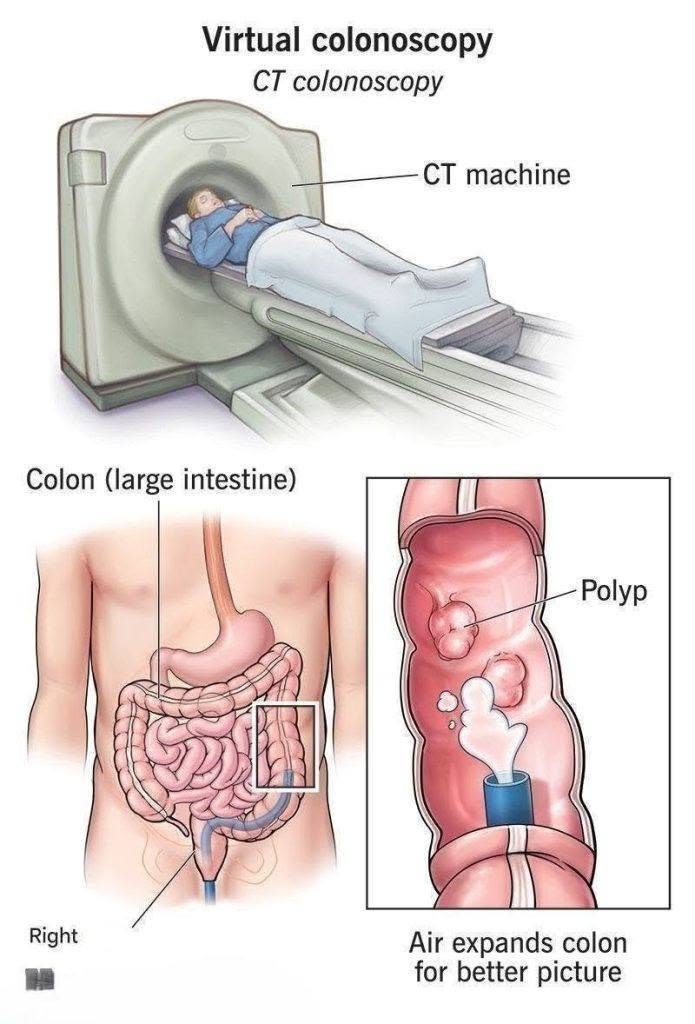
Colon cleansing is sometimes performed as part of a medically supervised procedure, such as preparation for a colonoscopy. That is different from routinely cleansing a healthy colon for supposed detoxification.
Your digestive system does not need a nightly flush to remove toxins.
The liver and kidneys perform important functions in processing and eliminating waste products, while the digestive tract moves stool out of the body through normal bowel movements.
When Constipation Requires Medical Attention
Most occasional constipation can be managed with appropriate lifestyle measures, but some symptoms require professional evaluation.
Arrange a medical appointment if constipation is persistent, keeps returning, or does not improve with reasonable changes to your routine.
You should also seek evaluation if you experience unexplained weight loss, blood in your stool, persistent abdominal discomfort, or a sudden change in your usual bowel habits.
Seek urgent medical attention if you have severe or worsening abdominal pain, repeated vomiting, significant abdominal swelling, or an inability to pass stool or gas.
These symptoms can indicate a serious problem, including bowel obstruction.
Do not try to treat suspected obstruction with additional fiber, strong laxatives, or homemade cleansing mixtures.
Older adults and people with significant medical conditions should seek advice sooner when new constipation develops.
A Simple Daily Routine for Better Digestive Health
A consistent routine can help support normal bowel function without relying on aggressive cleansing methods.
In the morning: Eat a balanced breakfast containing fiber, such as oatmeal with fruit. Drink fluids according to your needs.
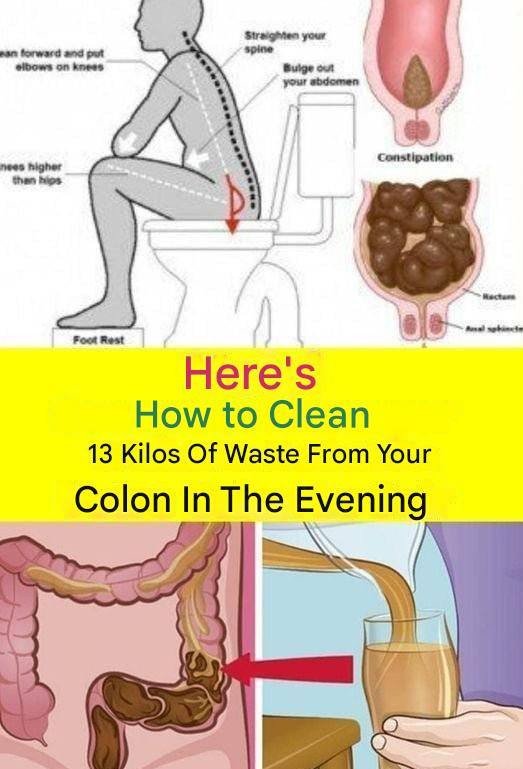
After breakfast: Allow a few unhurried minutes for a bathroom visit if you feel the urge. Use a stable footstool if it makes passing stool more comfortable.
During the day: Eat a varied diet, drink adequate fluids, and take regular movement breaks.
At lunch and dinner: Include vegetables, whole grains, beans, or other fiber-rich foods as tolerated.
In the evening: Consider a comfortable walk and avoid making sudden, large increases in fiber intake.
Throughout the week: Observe your bowel habits and note any persistent changes.
This routine will not produce an overnight colon cleanse, but it can help create conditions that support regular bowel movements.
People with chronic constipation may need a more individualized treatment plan.
Frequently Asked Questions
Do I Need to Empty My Colon Every Night?
No. Healthy bowel movements do not need to occur every night, and the colon does not need to be completely empty before sleeping.
Normal bowel frequency varies between individuals.
The goal is comfortable, regular bowel movements without excessive straining or other concerning symptoms.
Can Drinking Warm Water in the Morning Relieve Constipation?
Warm water may help some people establish a comfortable morning routine, particularly when combined with breakfast and regular bathroom habits.
However, warm water is not a special detoxification treatment.
Adequate hydration throughout the day is more important than relying on a particular water temperature.
Can Lemon Water Clean the Colon?
Lemon water can contribute to daily fluid intake, but there is no reliable evidence that it removes kilograms of accumulated waste or detoxifies a healthy colon.
It should not replace appropriate treatment for persistent constipation.
Does Passing Stool Every Day Mean My Colon Is Healthy?
Not necessarily. Bowel health depends on more than frequency.
Some people have a bowel movement daily but still experience hard stools, straining, or incomplete evacuation.
Others have less frequent bowel movements without significant discomfort.
The consistency of the stool, ease of passing it, and presence or absence of symptoms are all important.
Can Too Much Fiber Make Constipation Worse?
Increasing fiber too quickly may cause gas and bloating, and some people with severe constipation or certain digestive conditions may not tolerate additional fiber well.
Fiber supplements may also be inappropriate in some situations, particularly when bowel obstruction is suspected.
Increase fiber gradually and seek medical advice if symptoms are severe or persistent.
Final Thoughts
The idea that everyone carries 13 to 15 kilograms of waste in the colon and needs a special drink to remove it overnight is not supported by reliable medical evidence.
Constipation is a real and sometimes uncomfortable problem, but it is usually better addressed through an appropriate combination of dietary fiber, adequate hydration, physical activity, comfortable toilet positioning, and a regular bathroom routine.
Foods such as prunes, kiwifruit, pears, vegetables, and whole grains can help support bowel regularity. A footstool may make bowel movements more comfortable for some people, while a pharmacist or healthcare professional can advise on suitable laxatives when necessary.
Avoid aggressive colon cleanses and homemade purging mixtures, which can cause dehydration and dangerous electrolyte imbalances.
The goal is not to remove an imaginary buildup of waste overnight. It is to support your digestive system so that bowel movements remain comfortable, regular, and safe.
If constipation persists, worsens, or occurs alongside concerning symptoms, seek medical advice to identify the cause and receive appropriate treatment.