Does Anyone Remember Cloth Diapers Before Pampers? A Look Back at the Way Parents Raised Babies
Before disposable diapers became a household essential, parents relied on a simple, reusable solution to keep their babies clean and comfortable: cloth diapers. For generations, these soft pieces of fabric were a familiar part of everyday family life. They were washed, dried, folded, and used again, often becoming one of the most frequently handled items in a household with a newborn.
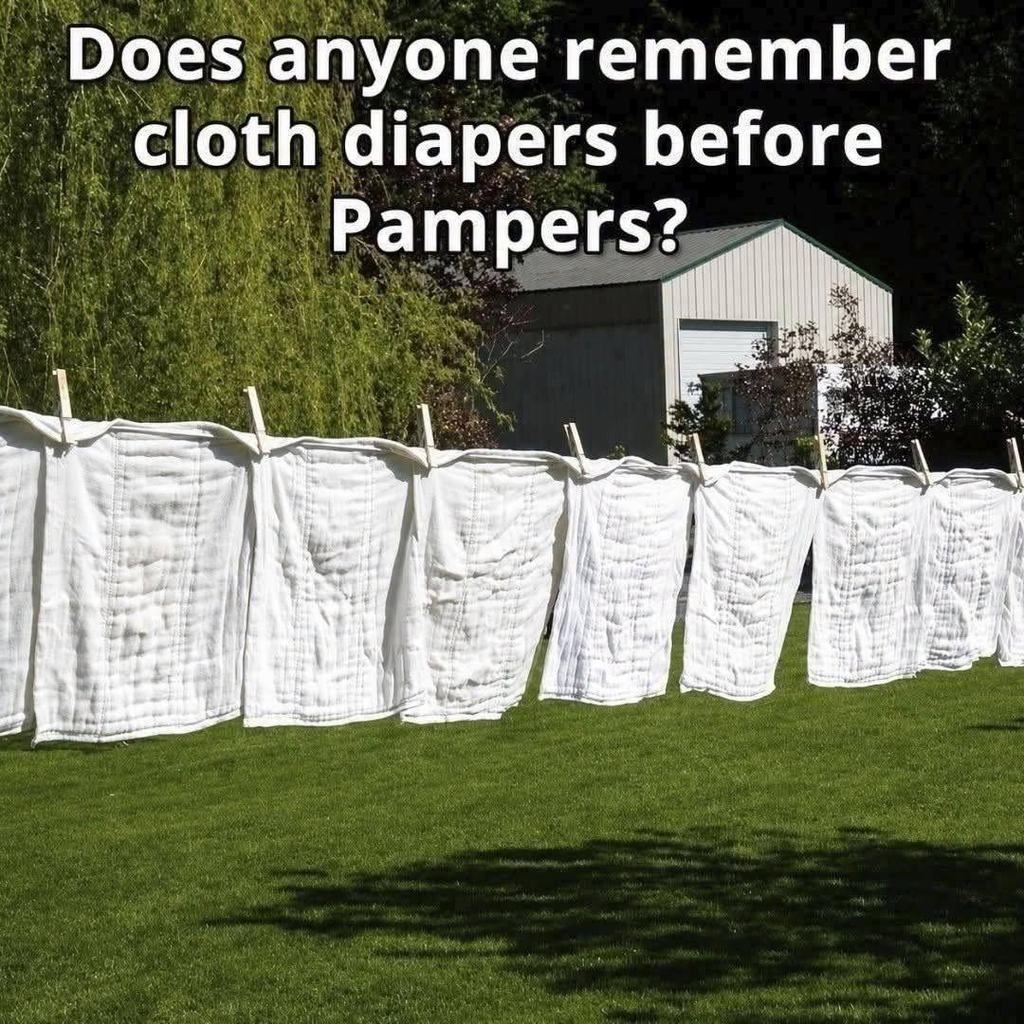
Today, seeing rows of white cloth diapers hanging on a clothesline can bring back memories of a different time. For some people, the sight recalls childhood, their parents’ hard work, or the early days of raising their own children. For others, it offers a glimpse into a style of parenting that existed long before modern disposable products became widely available.
Although disposable diapers have made daily childcare more convenient for many families, cloth diapers have never completely disappeared. In fact, reusable diapers have experienced renewed interest among parents looking for alternatives to disposable products.
So, what was life like before Pampers and other disposable diaper brands became common? How did families manage diaper changes, washing, and nighttime routines? And why are some parents choosing cloth diapers again today?
1. Life Before Disposable Diapers Became Common
Before modern disposable diapers were widely available, cloth was the primary diapering option for many families.
Parents commonly used cotton squares, prefolded cloth diapers, or other absorbent fabrics. Depending on local traditions, household resources, and the time period, families might also use specially sewn garments designed to fit babies.
The fabric was arranged around the baby’s bottom and secured using pins, fasteners, or other methods appropriate to the design.
Unlike modern disposable diapers, traditional cloth diapers generally did not contain the absorbent polymers used in many contemporary products. Their ability to absorb moisture depended largely on the fabric, thickness, and number of layers.
Parents therefore had to change wet diapers regularly and pay attention to signs that a diaper had become soiled.
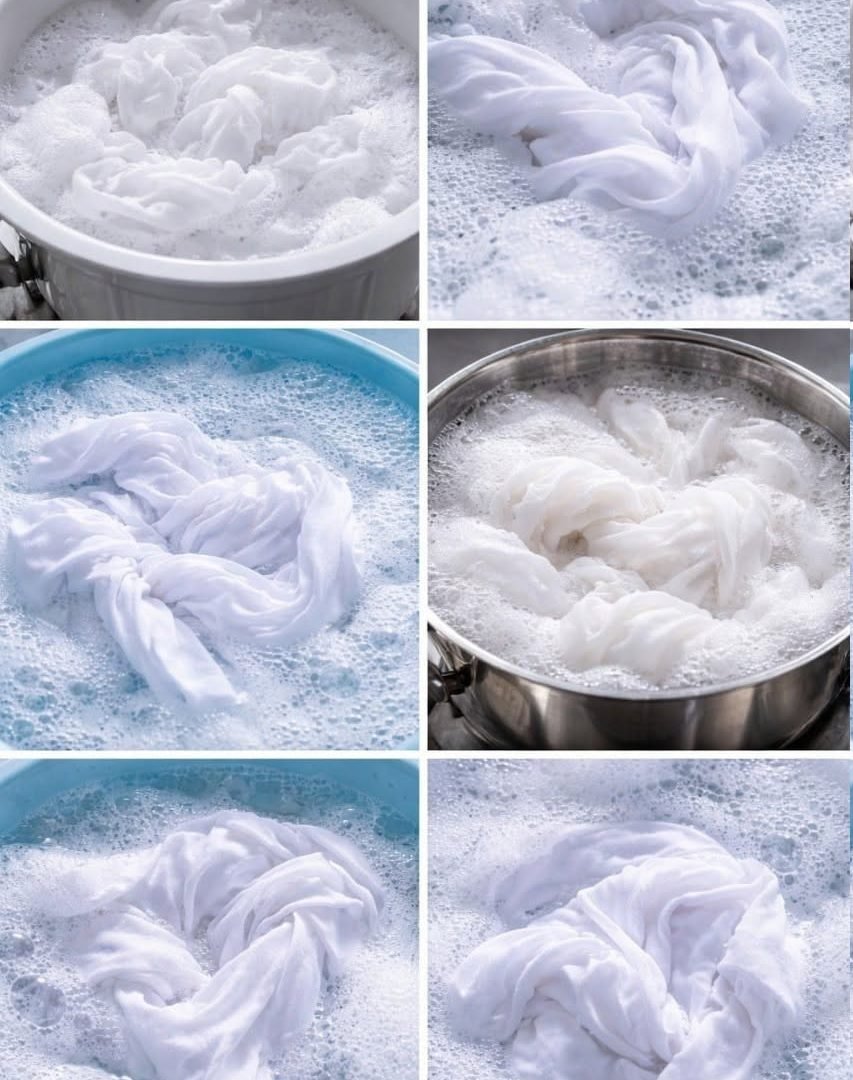
For many households, diapering was not simply a matter of changing a baby. It was an ongoing routine involving washing, drying, folding, storing, and preparing clean diapers for the next change.
These tasks required time and effort, especially in larger families or households without modern laundry equipment.