Does Anyone Remember Cloth Diapers Before Pampers? A Look Back at the Way Parents Raised Babies
Environmental impact is another reason reusable diapers receive attention.
Disposable diapers create ongoing waste because each used diaper is generally discarded after a single use.
Cloth diapers can be washed and reused many times, reducing the number of diapers thrown away.
However, reusable diapers also require resources.
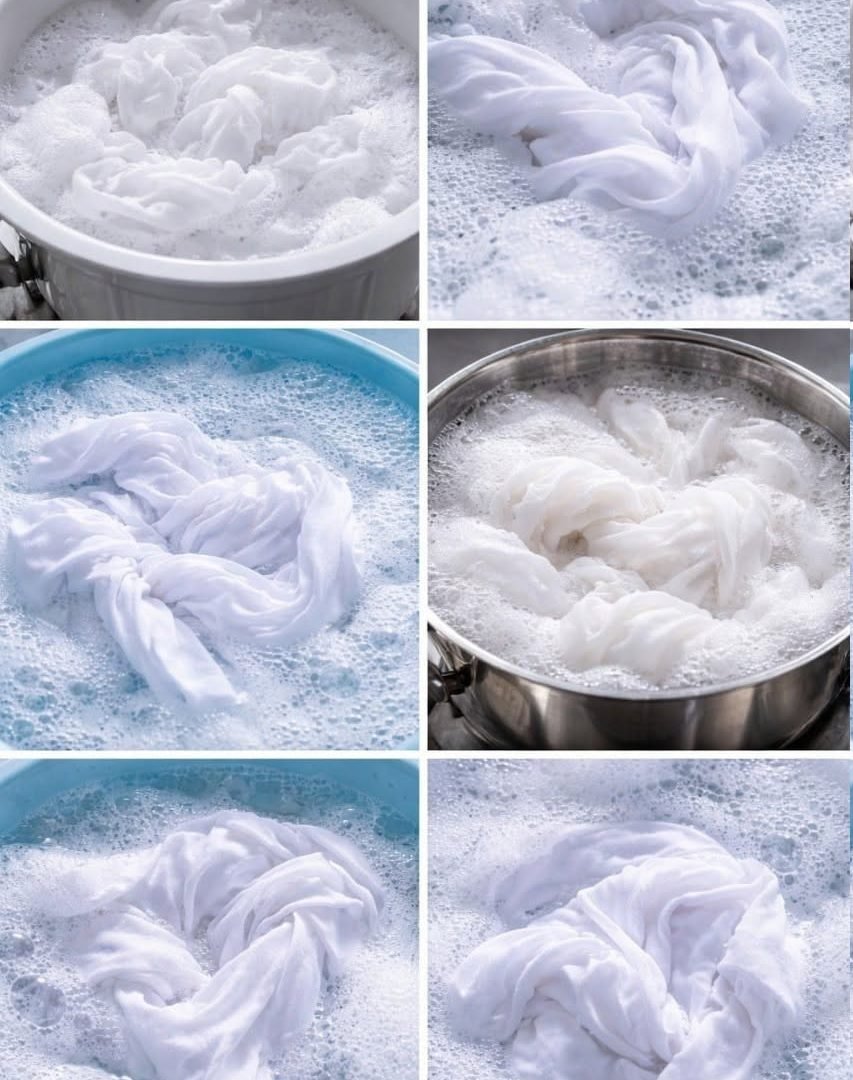
Their environmental footprint depends on factors such as how they are manufactured, how many times they are reused, the amount of water and energy consumed during washing, and how they are dried.
Washing practices make a difference. Efficient laundry loads, appropriate detergent use, and air-drying when practical can reduce some resource demands.
The environmental comparison is therefore more complicated than simply labeling one type good and the other bad.
A household that uses cloth diapers for multiple children may spread the manufacturing impact across many years of use. Another household may find disposable diapers more practical because of limited access to laundry facilities.
The best choice depends on the family’s circumstances and the environmental factors being considered.
8. Why Some Parents Are Returning to Cloth Diapers
Although disposable diapers remain widely used, reusable diapers have attracted renewed interest.
Modern cloth diapers differ considerably from many traditional designs.
Some use fitted shapes, adjustable snaps, absorbent inserts, and waterproof outer layers. Others resemble older prefolded cloth diapers but incorporate modern materials and construction.
These designs can make reusable diapering more convenient than it was for previous generations.
Parents may choose cloth diapers for several reasons:
Reducing the number of disposable diapers they purchase.
Reusing products instead of throwing them away after each change.
Managing long-term household expenses.
Choosing particular fabrics or diaper designs.
Following family traditions or personal preferences.
Nevertheless, cloth diapering requires a reliable washing routine and enough clean diapers to accommodate frequent changes.
Families should also follow the manufacturer’s washing instructions and use appropriate hygiene practices.
For some parents, reusable diapers fit their lifestyle well. For others, disposable diapers remain the more manageable option.
Neither choice needs to be treated as a judgment about someone’s parenting.
9. The Emotional Connection Between Diapers and Family Memories
For people who grew up before disposable diapers became common in their communities, cloth diapers may represent much more than a household product.
They can evoke memories of childhood homes, family routines, and the adults who cared for younger siblings.
Perhaps someone remembers seeing freshly washed diapers hanging outside on a sunny afternoon. Another person may remember helping fold laundry or watching a parent prepare supplies for a newborn.
These memories often connect everyday objects with a particular period of life.
The sight of a clothesline filled with white fabric may remind people of a time when household tasks were more visible and many items were reused rather than discarded.
Of course, memories of the past are not always simple or entirely positive. Washing cloth diapers could be tiring, especially for caregivers who had little assistance or limited access to modern appliances.
Recognizing the effort involved helps us appreciate both the resourcefulness of earlier generations and the convenience of modern products.
10. What Modern Parents Can Learn From Earlier Generations
Traditional cloth diapering offers several practical lessons that remain relevant today.
First, reusable household products can serve families for a long time when they are properly maintained.
Second, simple routines can make demanding tasks easier to manage. Having clean diapers prepared in advance, organizing laundry, and keeping supplies accessible can reduce stress.
Third, no single product works best for every household.
Earlier generations adapted their diapering methods to the materials and facilities available to them. Modern parents can take a similar approach by choosing products that suit their needs, budgets, and living conditions.
Finally, caring for a baby has always involved much more than choosing a diaper.
Feeding, comforting, cleaning, sleeping, and responding to a baby’s needs require patience and attention regardless of the products a family uses.
Modern technology has made some of these tasks easier, but the essential work of caring for children remains much the same.
Final Thoughts: A Small Piece of Fabric With a Long History
Cloth diapers were once an ordinary part of family life in many communities. They required regular washing, careful drying, and repeated use, but they served generations of parents before disposable diapers became widely available.
The development of modern disposable diapers brought greater convenience to many households, while reusable diapers continued to offer an alternative for families who preferred them.
Today, both options have advantages and limitations.
The best choice depends on a baby’s needs, the family’s resources, and the practical realities of everyday life.
For anyone who remembers white cloth diapers hanging on a clothesline, the image may bring back a flood of memories. It is a reminder of how much household routines have changed—and how many ordinary objects can become symbols of family history.
Sometimes, the simplest things are the ones that help us remember an entire generation.