Does Anyone Remember Cloth Diapers Before Pampers? A Look Back at the Way Parents Raised Babies
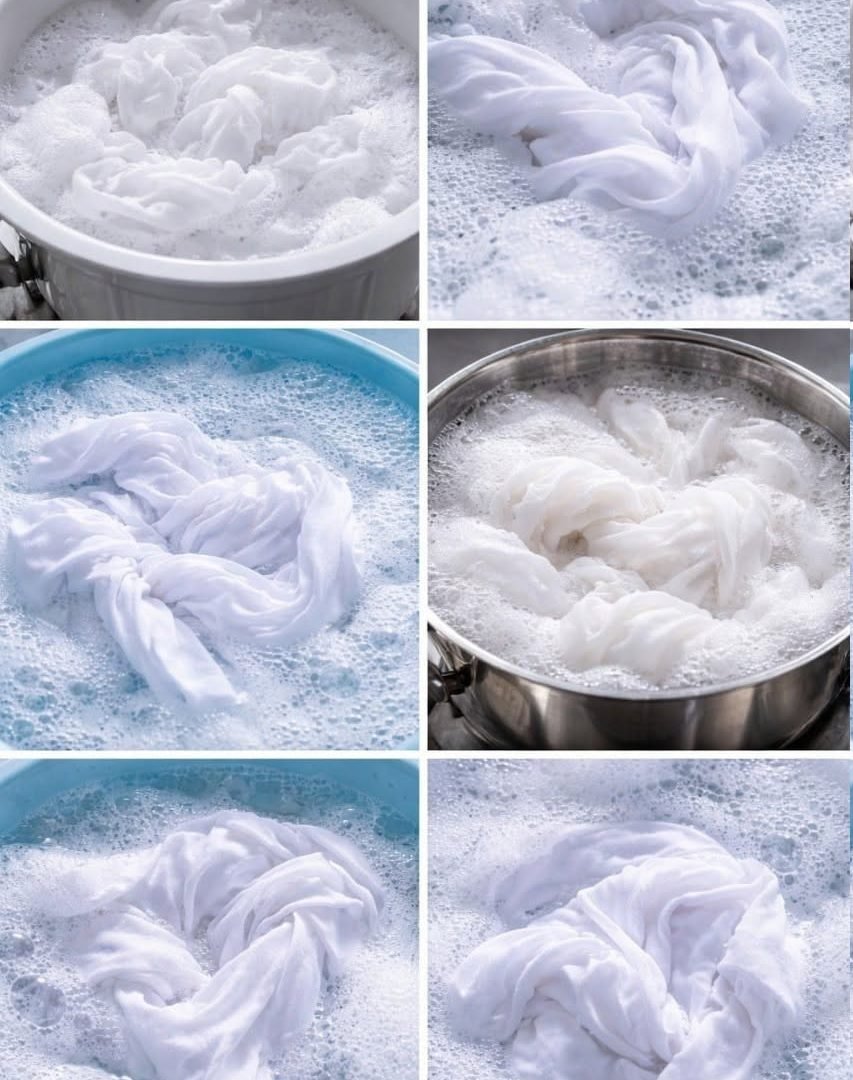
One of the biggest differences between traditional cloth diapers and disposable diapers was the amount of laundry involved.
After use, cloth diapers had to be cleaned before they could be used again.
The exact routine varied according to the family’s circumstances, the available water supply, and the washing methods common at the time.
Some families washed diapers by hand using basins, washboards, soap, and plenty of water. Others eventually used washing machines, which reduced the physical effort required.
Depending on local sanitation practices and the type of soiling, caregivers also needed to handle waste carefully before washing.
Once cleaned, the diapers had to be dried thoroughly.
On sunny days, clotheslines offered a convenient way to dry fabric outdoors. A long line filled with white diapers became a familiar sight in many neighborhoods.
For some families, sunlight also helped brighten white fabrics, although it was not a substitute for proper washing and sanitation.
The work could be repetitive and physically demanding, but clean diapers were an essential part of caring for a baby.
3. Why White Cloth Diapers Became Such a Familiar Sight
White cotton diapers were popular for practical reasons.
White fabric made visible stains easier to identify, and cotton could often withstand the washing methods used at the time.
White diapers were also relatively simple to inspect for remaining dirt or discoloration.
However, not every traditional diaper was white. Colors, fabrics, shapes, and construction methods varied across countries and generations.
The image of white cloth diapers hanging in the sun became especially familiar in places where outdoor drying was common.
Rows of freshly washed fabric could signal that a household had a young baby.
For some people, this image represents a slower, more hands-on period of family life. It may remind them of their mothers, grandmothers, or neighbors who spent part of each day caring for babies and keeping the household running.
Those memories can be meaningful because ordinary domestic routines often become part of a family’s shared history.
4. How Disposable Diapers Changed Parenting
Disposable diapers transformed diapering by reducing the need to wash and dry fabric after every use.
Early disposable diaper designs appeared before the modern products familiar today, but development continued over many decades.
As materials and manufacturing improved, disposable diapers became more absorbent, easier to fasten, and more convenient to carry.
The introduction and expansion of commercially available disposable diaper brands helped make them a routine choice for many families.
Pampers became one of the best-known names in this market, but disposable diapers are now produced by many companies around the world.
For parents, the main attraction was convenience.
After a diaper change, the used product could generally be disposed of rather than added to a laundry pile.
This was particularly helpful for families traveling, caring for children away from home, or managing busy schedules.
Disposable diapers also eliminated much of the repetitive washing and folding associated with reusable cloth diapers.
However, their convenience came with trade-offs, including ongoing purchasing costs and the generation of additional waste.
The shift from cloth to disposable diapers was not identical everywhere. Income, access to products, cultural traditions, and household facilities all influenced which option families used.
5. Were Cloth Diapers Better for Babies?
Cloth and disposable diapers can both be used safely when caregivers follow appropriate hygiene practices and change diapers regularly.
Neither type is automatically best for every baby.
Traditional cloth diapers were often made from absorbent natural fibers, particularly cotton. Their performance depended on how they were folded, how many layers were used, and how often they were changed.
Modern disposable diapers typically combine absorbent materials with moisture-retaining layers designed to keep liquid away from the skin.
This can help reduce wetness against the baby’s skin, although no diaper eliminates the risk of diaper rash.
Diaper rash is influenced by several factors, including prolonged exposure to moisture, friction, irritants, and contact with urine or stool.
Regardless of the diaper type, caregivers can help protect a baby’s skin by changing wet or soiled diapers promptly, cleaning the area gently, and allowing the skin to dry before putting on a fresh diaper.
A suitable barrier ointment may also help prevent irritation.
If a rash becomes severe, develops blisters, spreads, or does not improve with ordinary care, a healthcare professional should assess it.
The most important considerations are the baby’s comfort, regular changes, proper hygiene, and the family’s ability to use the chosen diapering method consistently.
6. The Cost of Cloth Diapers Compared With Disposable Diapers
Cost is one reason some modern families reconsider reusable diapers.
Disposable diapers involve repeated purchases. The total expense depends on the baby’s age, the number of changes required, the brand, and local prices.
Cloth diapers usually require a larger initial investment in reusable diapers and may require additional items such as fasteners, waterproof covers, or a suitable laundry system.
However, the same diapers can be washed and reused many times.
For families who use them consistently, this can reduce the number of disposable products they need to purchase.
The financial comparison is not always straightforward.
Cloth diaper costs may include water, electricity, detergent, drying, replacement items, and the time spent doing laundry.
Disposable diaper expenses can also vary considerably depending on brand and purchasing habits.
Some families use a combination of both approaches, choosing cloth diapers at home and disposable diapers while traveling or when laundry facilities are unavailable.
The most practical option depends on household resources, personal preferences, and daily routines.