7 Foods That May Help Support Intestinal Health and Protect Against Intestinal Worms
Intestinal parasites, commonly known as intestinal worms, are a health concern that affects millions of people worldwide. These organisms can enter the digestive system through contaminated food, unsafe drinking water, poorly washed vegetables, undercooked meat, or contact with contaminated soil. Once inside the body, certain parasites can live in the intestines, where they may cause digestive discomfort, nutritional deficiencies, and other health problems.
Many people look for natural ways to protect their digestive systems, and food is often the first place they turn. Garlic, pumpkin seeds, papaya, carrots, and other everyday ingredients are frequently mentioned in traditional remedies for intestinal parasites.
But can certain foods actually kill intestinal worms?
The answer requires some clarification. Although several foods contain nutrients and natural compounds that support digestive and immune health, there is not enough reliable human clinical evidence to establish that eating particular foods can eliminate intestinal worms. Food should never replace medically approved antiparasitic medication.
Nevertheless, maintaining a balanced diet, practicing good food hygiene, and understanding which foods support digestive health can contribute to overall well-being.
Here are seven foods worth including in a healthy eating routine, along with what science tells us about their potential benefits.
1. Garlic
Garlic has been used in traditional medicine for centuries. It is particularly well known for its distinctive smell and flavor, as well as its naturally occurring sulfur-containing compounds.
One of the best-known compounds in garlic is allicin, which forms when fresh garlic is crushed or chopped.
Laboratory research has investigated garlic compounds for their potential antimicrobial and antiparasitic properties. Some experimental studies suggest that garlic extracts may affect certain microorganisms and parasites under controlled conditions.
However, laboratory findings do not establish that eating garlic can eliminate intestinal worms in humans.
Potential Health Benefits
Garlic offers several nutritional and health-related benefits:
Contains naturally occurring sulfur compounds.
Provides antioxidant compounds.
Adds flavor to meals without requiring excessive salt.
May contribute to cardiovascular health as part of a balanced diet.
Contains plant compounds that have been investigated for antimicrobial activity.
How to Include Garlic in Your Diet
Fresh garlic can easily become part of everyday meals.
Try adding crushed garlic to vegetable soups, roasted vegetables, homemade sauces, salad dressings, or cooked fish.
If you enjoy its stronger flavor, you can also mix finely chopped garlic with olive oil and lemon juice to create a simple dressing.
Garlic is a nutritious ingredient, but consuming large quantities will not reliably treat a parasitic infection.
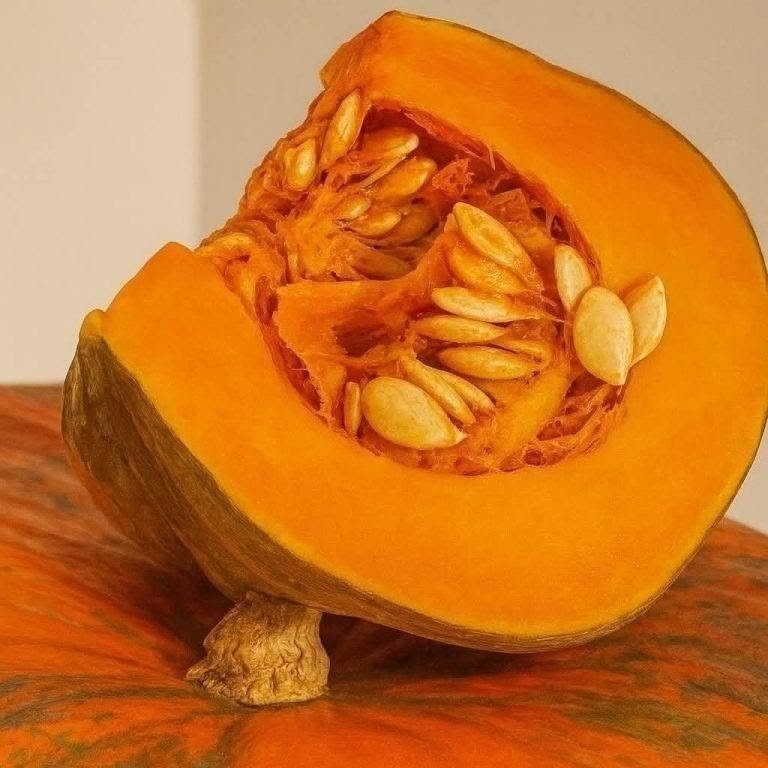
2. Pumpkin Seeds
Pumpkin seeds are among the most commonly mentioned foods in traditional discussions about intestinal worms.
They contain protein, healthy fats, magnesium, zinc, iron, and other important nutrients.
Pumpkin seeds also contain plant compounds, including cucurbitin, which has attracted scientific interest because of its potential biological activity against certain parasites.
Some preliminary research has investigated pumpkin seed preparations for antiparasitic effects. However, evidence remains insufficient to recommend ordinary pumpkin seeds as a proven treatment for intestinal worm infections.
Why Pumpkin Seeds Are Healthy
Even without proven worm-killing effects, pumpkin seeds offer several nutritional advantages:
Magnesium supports normal muscle and nerve function.
Zinc contributes to immune system function.
Plant-based protein supports tissue maintenance.
Healthy fats contribute to a balanced diet.
Dietary fiber supports digestive regularity.
How to Eat Pumpkin Seeds
You can enjoy pumpkin seeds in several simple ways:
Eat a small handful of unsalted pumpkin seeds as a snack.
Sprinkle them over oatmeal or yogurt.
Add them to homemade salads.
Mix them into whole-grain bread recipes.
Blend them into smoothies.
Choose plain, unsalted seeds when possible.
Pumpkin seeds can be a nutritious addition to your diet, but they should not be considered a substitute for parasite treatment.
3. Papaya
Papaya is a tropical fruit appreciated for its sweet flavor, soft texture, and impressive nutritional profile.
It contains vitamin C, vitamin A precursors, folate, and dietary fiber.
Papaya also contains papain, a natural enzyme that helps break down proteins during digestion.
In traditional medicine, papaya seeds have sometimes been used as a remedy for intestinal parasites. Some small human studies have investigated papaya seed preparations, with preliminary findings suggesting possible antiparasitic activity.
However, the available research is limited, and the results are not sufficient to establish papaya seeds as a safe and effective treatment for intestinal worm infections.