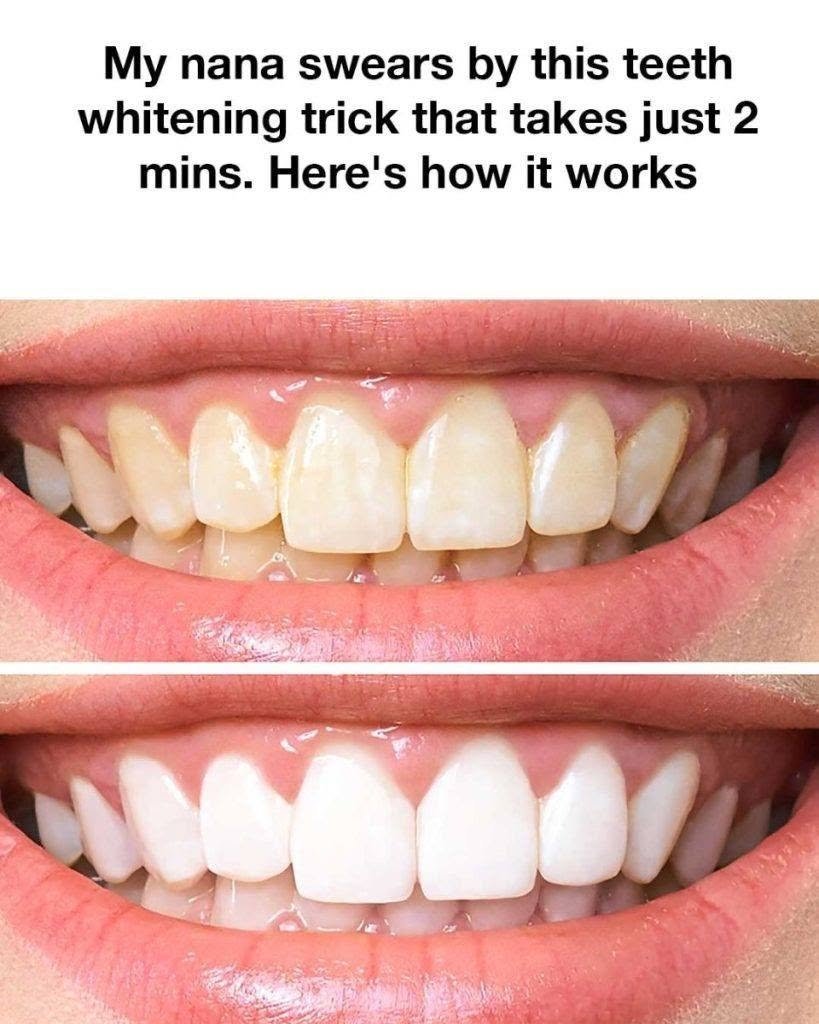
A Radiant Smile in Sixty Seconds: The Little-Known Rice-Based Method
One reason this remedy attracts attention is its simplicity.
The idea generally involves preparing rice water or finely ground rice and incorporating it into a homemade oral care routine.
However, different versions of the method circulate online, and they are not all equally safe.
Some recommend soaking rice and using the water as a mouth rinse. Others suggest grinding uncooked rice into a powder and rubbing it directly against the teeth.
These approaches should not be confused.
Rice Water
Rice water is the liquid left after washing or soaking rice.
Although it may seem like a harmless natural ingredient, it has not been proven to remove dental stains, whiten enamel, or prevent cavities.
It should not replace a fluoride mouthwash or a proper brushing routine.
Rice Powder
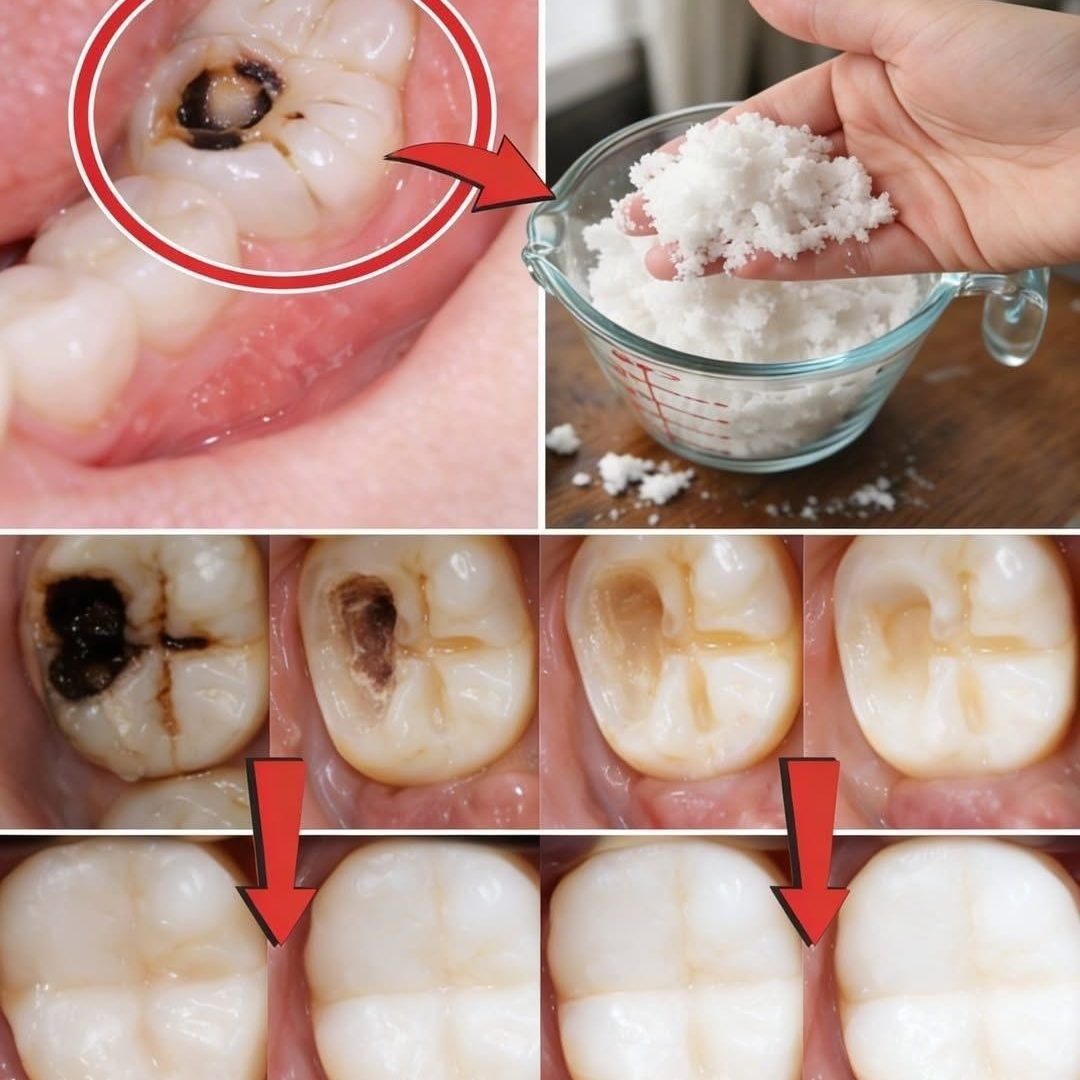
Some homemade whitening recipes recommend using ground rice as a scrubbing ingredient.
This deserves particular caution.
Uncontrolled abrasive particles may contribute to enamel wear or gum irritation, especially when used with excessive pressure or repeatedly.
Enamel is the hard outer protective layer of teeth. Unlike some other tissues in the body, it does not regenerate once significantly lost.
For this reason, using homemade abrasive powders to polish teeth is not recommended.
A natural ingredient is not automatically a safe dental treatment.
3. Can Rice Really Whiten Your Teeth in 60 Seconds?
The short answer is that there is no reliable scientific evidence supporting this claim.
To understand why, it helps to know what causes tooth discoloration.
Teeth can become darker or yellow for several reasons:
Natural aging.
Coffee and tea consumption.
Tobacco use.
Certain foods and beverages.
Accumulation of dental plaque.
Tartar buildup.
Changes within the tooth structure.
Certain medications or dental conditions.
Some stains develop on the outer surface of the teeth, while others occur deeper within the tooth.
Surface stains may sometimes be reduced through professional dental cleaning or appropriate whitening products.
Deeper discoloration may require a different treatment approach.
Rice water has not been demonstrated to remove either type of discoloration.
Likewise, there is no established mechanism showing that ordinary rice can safely whiten enamel within one minute.
If your teeth appear yellow, it does not necessarily mean they are unhealthy. Natural tooth color varies from person to person, and healthy enamel is not always perfectly white.
The goal should be maintaining healthy teeth rather than achieving an artificially bright appearance.
4. What Actually Happens When You Brush Your Teeth?
Brushing is one of the most important habits for maintaining oral health.
Throughout the day, bacteria naturally accumulate inside the mouth and form a sticky layer called dental plaque.
Plaque contains bacteria that use sugars from food and drinks to produce acids.
These acids can gradually weaken tooth enamel and contribute to cavities.
Regular brushing helps remove plaque before it becomes harder to manage.
Fluoride toothpaste provides an additional benefit.
Fluoride helps strengthen enamel and supports the natural remineralization process, which can repair early mineral loss before a cavity develops.
For most adults, dentists recommend brushing twice daily for approximately two minutes using fluoride toothpaste.
A soft-bristled toothbrush is generally recommended because it can clean effectively without unnecessary pressure on the teeth and gums.
Brushing for 60 seconds is better than not brushing at all, but it is not the standard recommended duration.
5. A Safer 60-Second Routine for a Cleaner-Looking Smile
Although rice cannot provide scientifically established whitening benefits, you can use one minute to improve an important part of your oral hygiene routine.
Here is a simple approach:
Step 1: Rinse your mouth with water.
After eating, drinking coffee, or consuming other staining beverages, drinking or rinsing with plain water can help remove some remaining food particles and dilute substances in the mouth.
Step 2: Inspect your teeth.
Notice whether you have visible plaque, food debris, bleeding gums, or unusual discoloration.
These observations can help you recognize changes that may require dental attention.
Step 3: Prepare your toothbrush.
Use a clean, soft-bristled toothbrush and an appropriate amount of fluoride toothpaste.
Step 4: Brush gently.
Use small, controlled movements, paying attention to the front, back, and chewing surfaces of your teeth.
Remember that the complete brushing session should last approximately two minutes.
Step 5: Finish your routine properly.
After brushing, spit out the toothpaste rather than immediately rinsing your mouth thoroughly with water. This helps leave fluoride on the teeth.
This routine is considerably more useful for protecting your smile than experimenting with unproven whitening powders.
6. Seven Everyday Habits That Can Help Keep Teeth Looking Brighter
You do not need expensive beauty products to establish a good oral care routine.
Small daily habits can make a meaningful difference.
1. Drink More Water
Water helps rinse away food particles and dilute acids in the mouth.
Drinking water throughout the day is especially helpful after consuming sugary or acidic beverages.
Plain fluoridated tap water, where available, may also provide additional protection against tooth decay.
2. Limit Coffee and Tea Stains
Coffee and tea contain compounds called tannins that can contribute to surface staining.
You do not necessarily need to eliminate these drinks completely.
However, reducing frequent exposure and drinking water afterward may help limit staining.
3. Brush Twice Daily
Regular brushing removes plaque and helps protect enamel.
Use fluoride toothpaste and a soft-bristled toothbrush.
Avoid brushing aggressively because excessive pressure can contribute to gum recession and tooth wear.