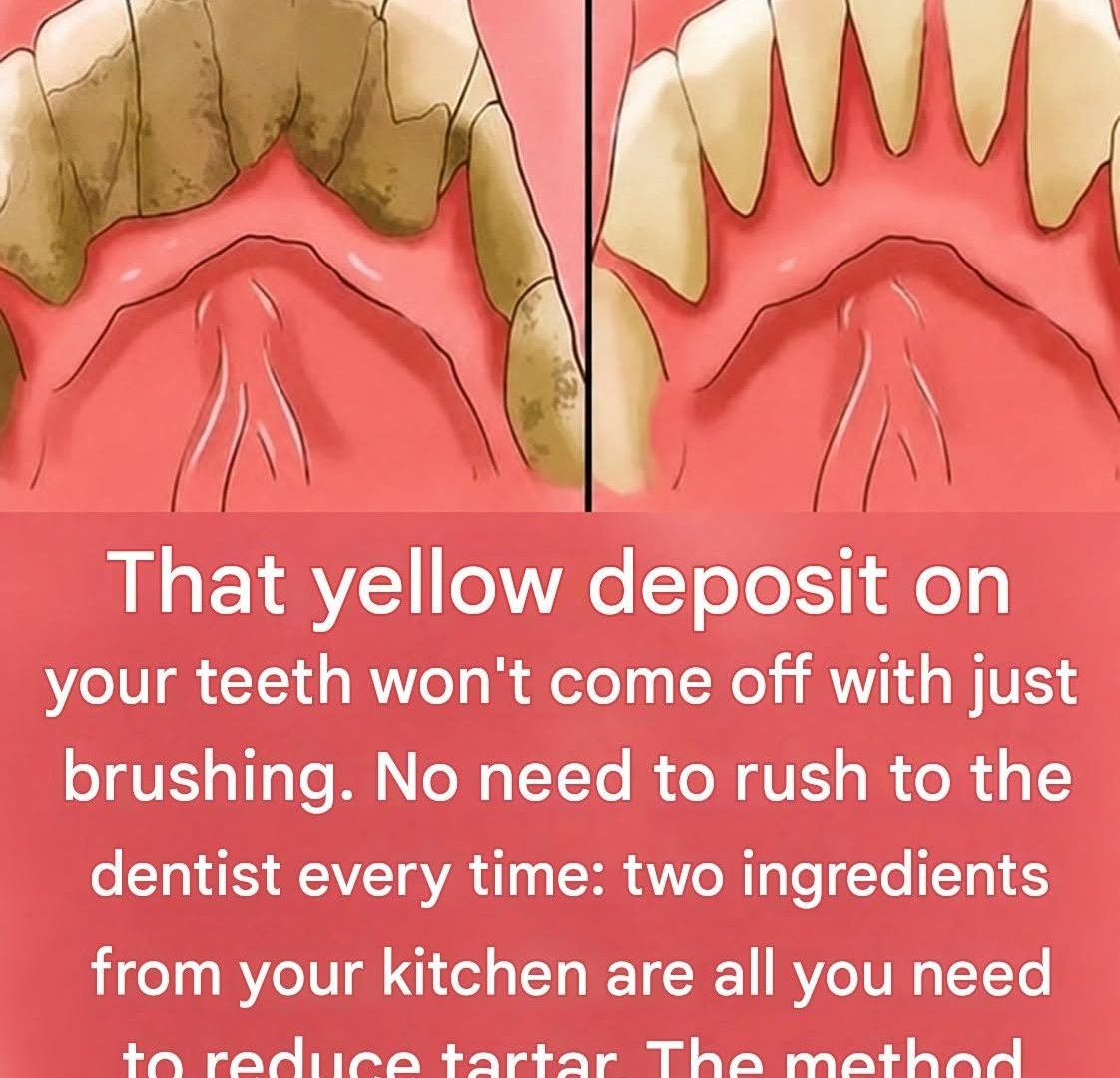
Be Your Own Dentist? What You Really Need to Know About Removing Tartar at Home
That yellow or brown buildup around your teeth can be frustrating. You may brush twice a day and still notice a hard deposit developing near the gumline, particularly behind the lower front teeth or around the back teeth.
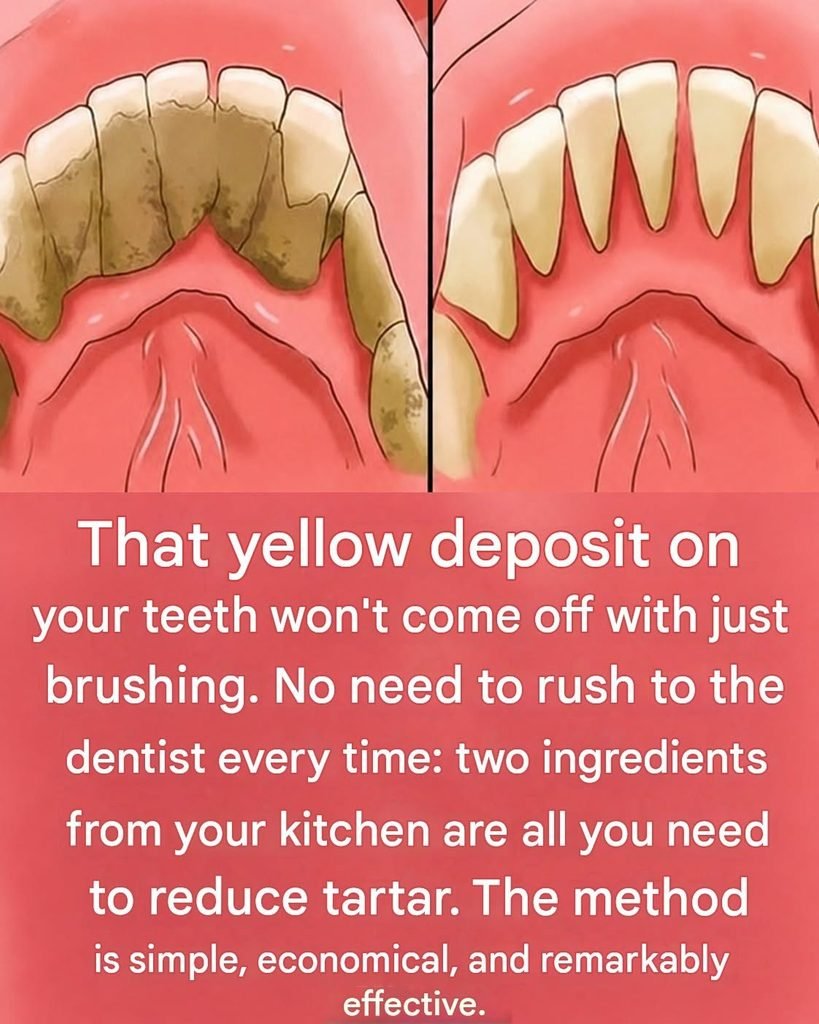
Many online posts claim that two simple kitchen ingredients can dissolve tartar and make your teeth look professionally cleaned at home. These claims can sound convincing, but there is an important distinction between plaque and tartar, and understanding that difference can prevent damage to your teeth and gums.
The truth is simple: soft plaque can often be removed at home, but hardened tartar generally cannot be safely removed with household ingredients or ordinary brushing.
Fortunately, there are several things you can do at home to reduce plaque buildup, protect your gums, and help prevent additional tartar from forming.
What Is That Yellow Buildup on Your Teeth?
The substance that initially develops on your teeth is called dental plaque.
Plaque is a sticky film containing bacteria, food particles, and other substances. It continuously forms on the surfaces of your teeth, which is why regular oral hygiene is necessary.
If plaque isn’t removed effectively, minerals in saliva can cause it to harden.
Once this happens, it becomes dental calculus, commonly called tartar.
Tartar can appear:
Yellow
Brown
Tan
Grayish
Darker around the gumline
It is particularly common in areas where saliva enters the mouth, such as behind the lower front teeth.
Why Brushing Doesn’t Remove Hardened Tartar
A toothbrush is excellent for removing plaque, but hardened tartar is different.
Once plaque has mineralized into calculus, it becomes firmly attached to the tooth surface. Normal brushing cannot simply dissolve or brush it away.
This is why someone may brush regularly and still have visible hard deposits.
Trying to scrape those deposits off yourself can also cause problems.
Using sharp objects, metal tools, fingernails, or homemade scraping devices can damage the enamel, irritate the gums, cause bleeding, or injure the soft tissues of the mouth.
A dental professional has specialized instruments and training to remove calculus safely.
What About Baking Soda?
Baking soda is frequently mentioned in homemade teeth-cleaning recipes.
Baking soda can have a role in oral hygiene because it is mildly abrasive and can help remove surface stains and plaque when used appropriately in dental products.
However, that does not mean that baking soda can safely dissolve thick, hardened tartar.
Using large quantities of baking soda or aggressively scrubbing the teeth can also be counterproductive.
Your goal should not be to scrub your teeth as hard as possible.
Good oral hygiene depends more on consistent, gentle cleaning than aggressive abrasion.
What About Vinegar?
Vinegar and other acidic household substances are sometimes promoted online as natural ways to dissolve dental deposits.
This is not a good approach.
Acids can weaken and erode tooth enamel. Enamel does not grow back once it has been permanently lost.
Using acidic substances repeatedly on your teeth can therefore create a new problem while attempting to solve another.
A homemade tartar remedy that makes a deposit appear thinner may still be damaging the tooth underneath.
For this reason, household acids should not be used as DIY dental cleaners.
What About Lemon Juice?
Lemon juice has the same basic concern.
Because lemon juice is highly acidic, applying it directly to teeth can expose enamel to acid.
Repeated acid exposure can contribute to enamel erosion and increased tooth sensitivity.
The fact that something is natural does not automatically make it safe for your teeth.
Lemon is perfectly reasonable as part of food or a beverage, but that is very different from deliberately rubbing concentrated lemon juice onto your teeth in an attempt to remove tartar.
Can Hydrogen Peroxide Remove Tartar?
Hydrogen peroxide is another ingredient frequently recommended in homemade oral-care recipes.
Some dental products contain peroxide in controlled concentrations, particularly products designed for specific purposes such as whitening.
But household hydrogen peroxide should not be treated as a tartar-removing solution.
Concentration, frequency, and how a substance is used all matter.
Using inappropriate concentrations or repeatedly exposing the gums and mouth to irritating substances can cause problems.
If you want to use a peroxide-containing oral-care product, choose one specifically formulated for oral use and follow its directions rather than creating a homemade mixture.