Aneurysm: 10 Warning Signs You Should Never Ignore
An aneurysm can develop silently inside the body, sometimes without causing any noticeable symptoms. Many people do not know they have one until it is discovered during a medical examination or an imaging test performed for another reason.
Although some aneurysms remain stable for years, others can enlarge or rupture, causing life-threatening internal bleeding. Recognizing the warning signs and understanding when to seek emergency medical care can make a critical difference.
An aneurysm occurs when part of the wall of a blood vessel becomes weakened and bulges outward. It can develop in different parts of the body, including the brain, aorta, and other arteries. The symptoms depend on its location, size, and whether it has started leaking or ruptured.
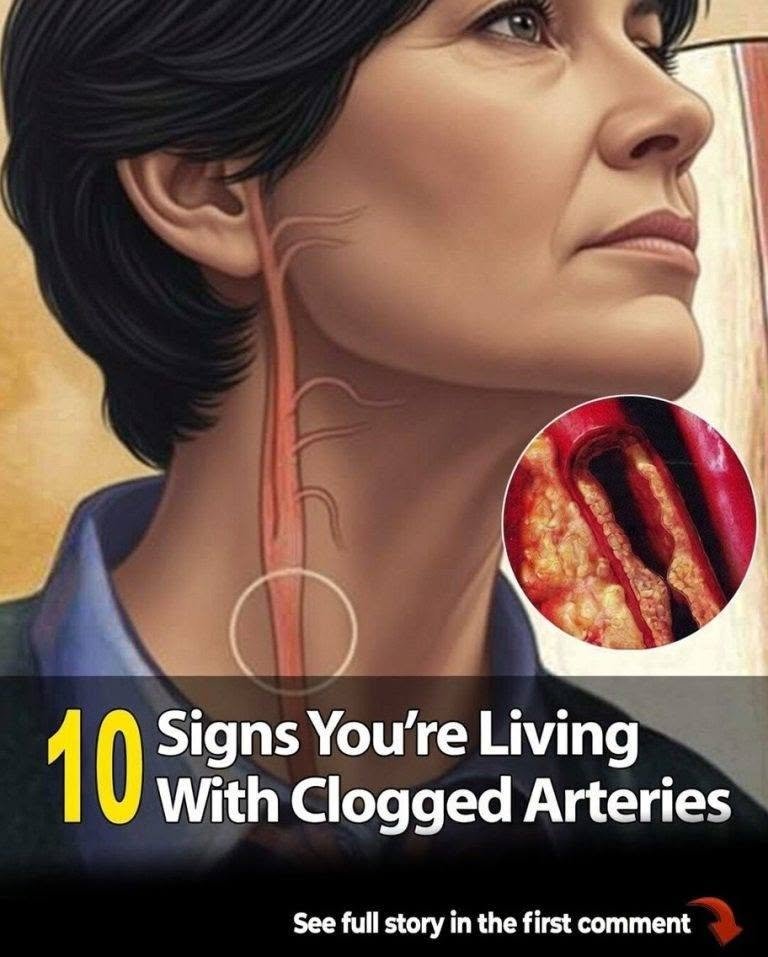
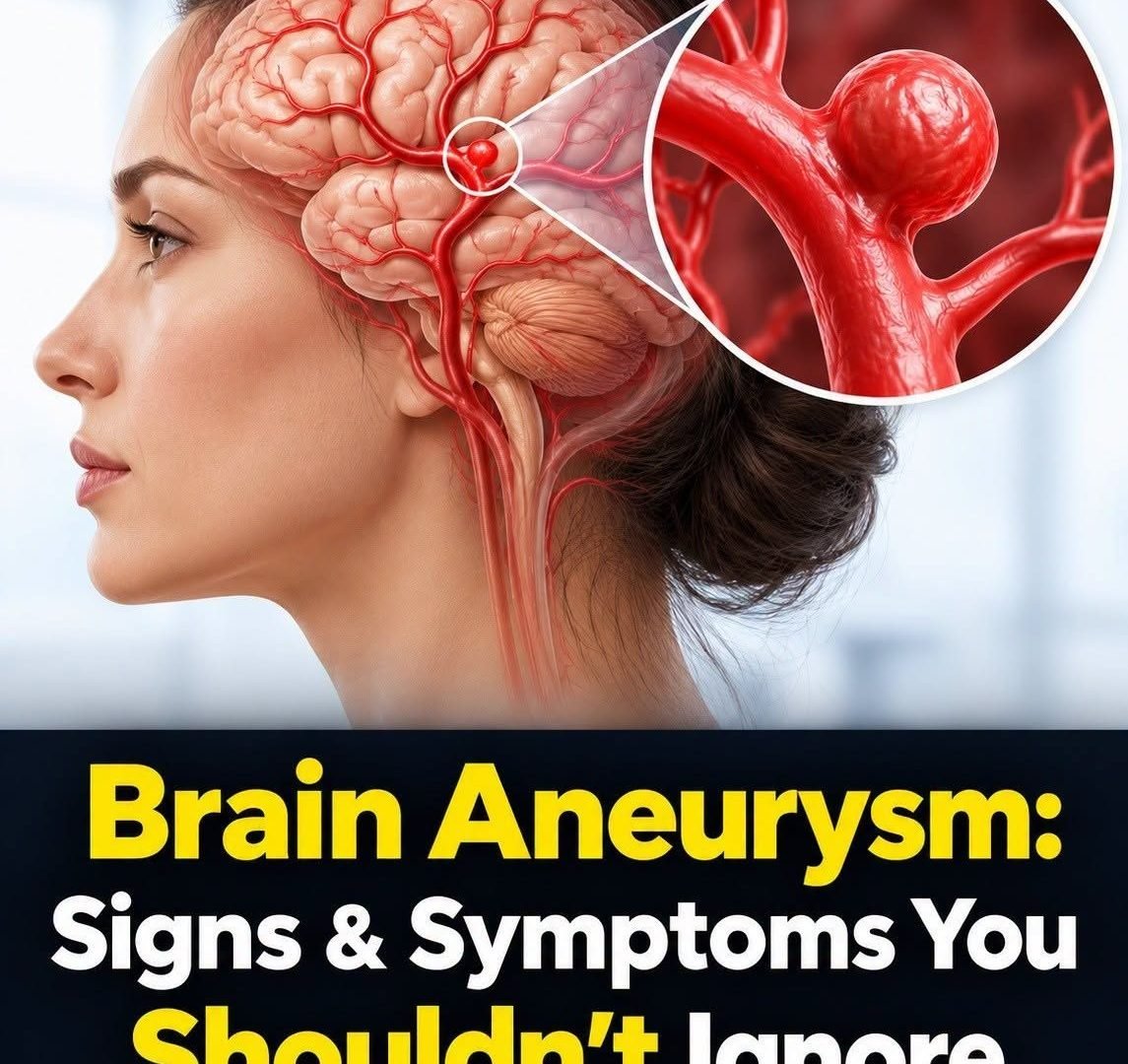
The illustration shows a possible brain aneurysm, but aneurysms are not limited to the brain. Some develop in the large artery that carries blood from the heart to the rest of the body, while others occur in arteries elsewhere.
The most important fact to remember is that an unruptured aneurysm may cause no symptoms at all. A sudden, extremely severe headache or other sudden neurological symptoms can indicate a medical emergency.
Here are 10 important warning signs to understand, along with the risk factors, prevention measures, and situations that require immediate medical attention.
1. A Sudden, Extremely Severe Headache
One of the most important warning signs of a ruptured brain aneurysm is a sudden, severe headache.
Unlike an ordinary headache that gradually develops, this type of headache can reach maximum intensity within seconds or minutes. People sometimes describe it as the worst headache they have ever experienced.
Doctors often call this a thunderclap headache because of its abrupt onset.
A ruptured brain aneurysm can cause bleeding around the brain, a dangerous condition known as a subarachnoid hemorrhage.
The bleeding can increase pressure inside the skull and damage brain tissue. Without prompt treatment, it can lead to serious complications or death.
A sudden, extremely severe headache can also have other serious causes, so it is not possible to determine the cause from symptoms alone.
What should you do?
Call your local emergency number immediately if you or someone nearby develops a sudden, exceptionally severe headache, especially if it reaches its peak almost instantly.
Do not wait to see whether the pain disappears, and do not drive yourself to the hospital.
Even if there are no other symptoms, a sudden thunderclap headache requires emergency assessment.
2. Pain Around or Behind One Eye
An unruptured brain aneurysm can sometimes press against nearby nerves or brain structures.
Depending on its location, this pressure may cause pain around or behind one eye.
The pain may occur alongside other symptoms, such as changes in vision, a drooping eyelid, or an unusually enlarged pupil.
However, pain around the eye is much more commonly associated with other conditions, including migraines, sinus problems, eye disorders, and certain types of headache.
The location of the pain alone cannot establish that an aneurysm is present.
When should you be concerned?
Seek prompt medical evaluation if you develop new, persistent, or unexplained pain around one eye, particularly if it occurs with double vision, a drooping eyelid, or changes in pupil size.
If the pain begins suddenly and severely or accompanies weakness, confusion, loss of vision, or other sudden neurological symptoms, seek emergency care.
Do not assume that unusual eye pain is harmless simply because your vision initially seems normal.
3. Blurred or Double Vision
Changes in vision can sometimes occur when an aneurysm presses against nerves responsible for controlling eye movement or other visual functions.
A person may experience double vision, blurred vision, or difficulty focusing. In some cases, one eyelid may droop or one pupil may become larger than the other.
These symptoms can occur for many reasons, including eye conditions, migraines, nerve disorders, and stroke.
Nevertheless, sudden visual changes should never be dismissed without considering the possibility of a serious medical problem.
What should you do?
Seek emergency care if you suddenly lose vision, develop double vision with other neurological symptoms, or experience new visual changes accompanied by a severe headache.
Do not drive while your vision is impaired.
A healthcare professional can determine whether the symptoms require neurological examination, eye assessment, or brain and blood vessel imaging.
4. Numbness or Weakness on One Side of the Face
An aneurysm that presses against nearby nerves may sometimes cause numbness or weakness affecting part of the face.
A person may notice an unusual sensation, difficulty moving one side of the face, or changes in facial muscle control.
However, sudden facial weakness is also a major warning sign of a possible stroke.
Other symptoms may include weakness in an arm or leg, difficulty speaking, confusion, or sudden loss of balance.
These symptoms must be treated as an emergency because a stroke can damage brain tissue rapidly.
Remember the difference between a symptom and a diagnosis.
Facial numbness does not automatically mean that someone has an aneurysm. Many neurological and non-neurological conditions can cause similar sensations.
The key concern is sudden onset, especially when facial weakness occurs alongside other neurological changes.
If someone suddenly develops facial drooping, cannot smile normally, or experiences weakness on one side of the body, call emergency services immediately.