Did You Know? If Hair Grows on Your Ears, Here’s What It Really Means
Why Do Some People Have Long Ear Hairs While Others Don’t?
Hair follicles have different growth cycles.
Each hair goes through phases of growth, rest, and shedding.
Genetic differences influence how long individual hairs remain in their growth phase.
Hormones also influence the size and behavior of follicles.
As a result, some people develop long, thick hairs in places where others only have fine, nearly invisible hair.
This is normal biological variation.
Does Ear Hair Protect Hearing?
There is no evidence that having lots of visible ear hair improves hearing.
The outer ear has a complex structure that helps collect and direct sound toward the ear canal.
Hair near the opening can contribute to the physical barrier of the ear, but having unusually long hair doesn’t mean your hearing is better.
Hearing depends on much more complex structures, including the eardrum, middle-ear bones, inner ear, auditory nerve, and brain pathways involved in processing sound.
Does Shaving Ear Hair Make It Grow Back Thicker?
This is another common misconception.
Shaving does not change the number of hair follicles or fundamentally alter the growth rate of the hair.
When a hair is shaved, its blunt cut end can initially feel thicker or rougher as it grows back.
That can create the impression that the hair has become darker or thicker.
But shaving doesn’t transform a normal hair follicle into a larger one.
Does Plucking Make Ear Hair Grow Back More Slowly?
Plucking removes the hair from the follicle rather than simply cutting it at the skin surface.
As a result, the hair may take longer to become visible again.
However, repeated plucking can irritate the skin and potentially cause ingrown hairs or inflammation.
For a few unwanted hairs on the outer ear, careful trimming may be a simpler option.
What About Ear Hair and Testosterone?
Testosterone and other androgens influence hair growth in many areas of the body.
However, seeing hair on the ears does not provide a reliable way to determine someone’s testosterone level.
Two people with similar hormone levels can have very different hair patterns because follicles respond differently to hormones.
Genetics and age matter as well.
Therefore, ear hair should not be used as a home test for hormone levels.
What If Ear Hair Appears Alongside Other Changes?
If you notice a sudden increase in hair growth accompanied by other significant changes, it’s worth talking with a healthcare professional.
Depending on the person, relevant symptoms could include:
Sudden widespread increase in body hair
Major changes in scalp hair
Significant acne
Unexpected weight changes
Menstrual changes
New voice changes
New muscle changes
Other signs of hormonal imbalance
These symptoms don’t automatically indicate a serious illness, but together they may provide more useful information than ear hair alone.
The Importance of Looking at the Whole Picture
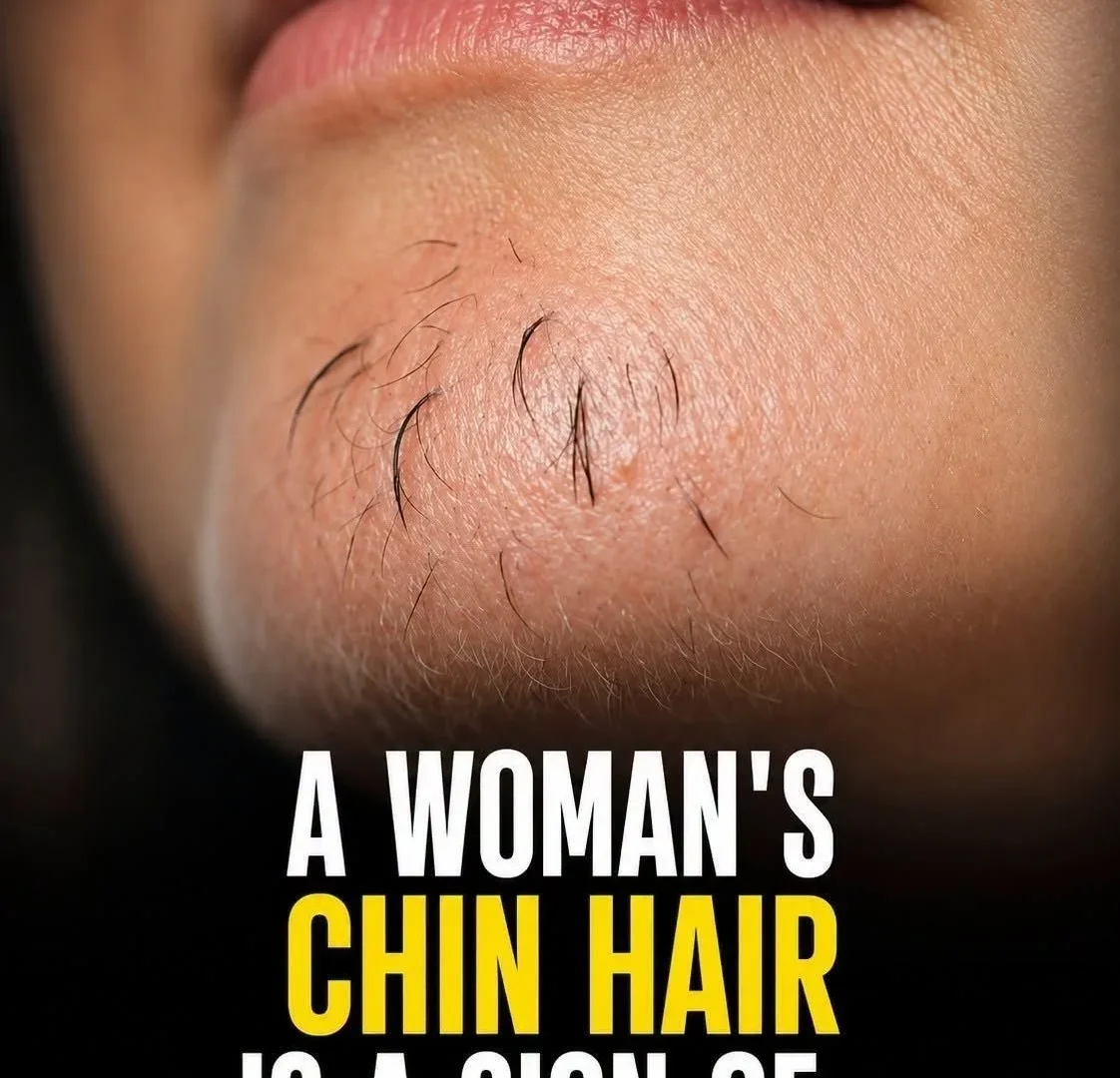
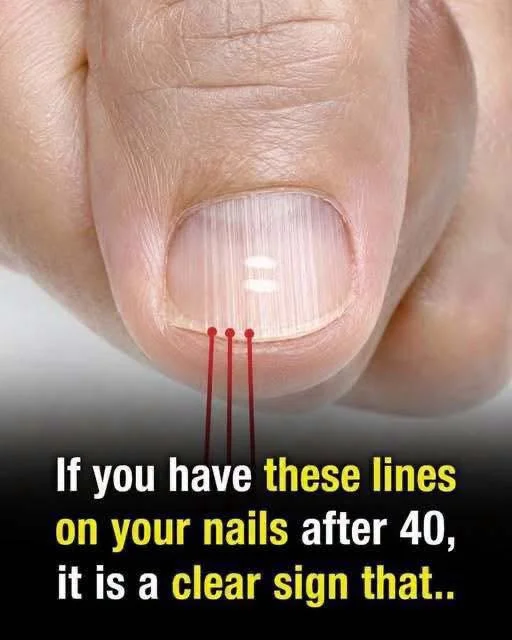
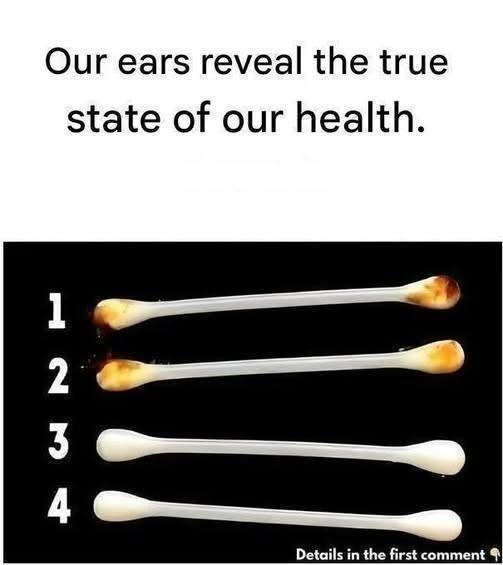
One of the biggest problems with viral health posts is that they focus on a single physical feature.
A person sees something unusual and is told:
“If you have this, your body is warning you about something.”
Human biology is rarely that simple.
A single hair, line on a nail, skin mark, or change in appearance usually cannot provide a complete picture of someone’s health.
Medical diagnosis depends on symptoms, medical history, examination, and sometimes laboratory or imaging tests.
Ear Hair and Aging
Aging naturally changes the skin and hair.
Hair may become thinner in some areas while becoming more noticeable in others.
Eyebrows can become longer.
Nose hairs can become more prominent.
Ear hairs can become longer and thicker.
Facial hair patterns can change.
These changes are part of normal aging for many people.
They shouldn’t automatically be interpreted as evidence that something is going wrong inside the body.
When to Seek Medical Advice
Ordinary ear hair doesn’t require a doctor’s appointment.
However, seek medical advice if the area develops symptoms such as:
Persistent pain
Swelling
Redness
Bleeding
Pus or discharge
A new lump
A persistent skin lesion
Significant hearing changes
Severe itching or irritation
These symptoms aren’t caused by ordinary ear hair itself and may indicate another problem that deserves attention.
A Simple Approach to Ear Hair
If you notice hair growing around your ears, there’s no need to panic.
First, consider whether it is actually bothering you.
If it isn’t, you can simply leave it alone.
If you prefer a cleaner appearance, carefully trim visible hairs on the outer ear.
Avoid putting sharp tools deep inside the ear canal.
Don’t use ear hair as a reason to assume you have heart disease, poor circulation, high testosterone, or another medical condition.
And if you notice a sudden, dramatic change in hair growth together with other unusual symptoms, discuss the changes with a healthcare professional.
Final Takeaway
Hair growing on the ears is usually a normal variation in body hair, particularly as people get older.
Its appearance can be influenced by genetics, aging, hormones, and the natural behavior of individual hair follicles.
Despite viral claims, ordinary ear hair is not a reliable sign that your body is warning you about heart disease, poor circulation, or another serious illness.
If you don’t like the appearance, visible hair on the outer ear can usually be carefully trimmed. Avoid inserting sharp objects deep into the ear canal, where delicate tissue and the eardrum can be injured.
Most importantly, don’t judge your health from one physical characteristic.
Your overall symptoms, medical history, lifestyle, and appropriate health checks provide much more meaningful information than the presence or absence of a few hairs around your ears.
Sometimes a strange-looking change is simply part of getting older—and ear hair is one of those changes that can be completely ordinary.